Contents
Overview
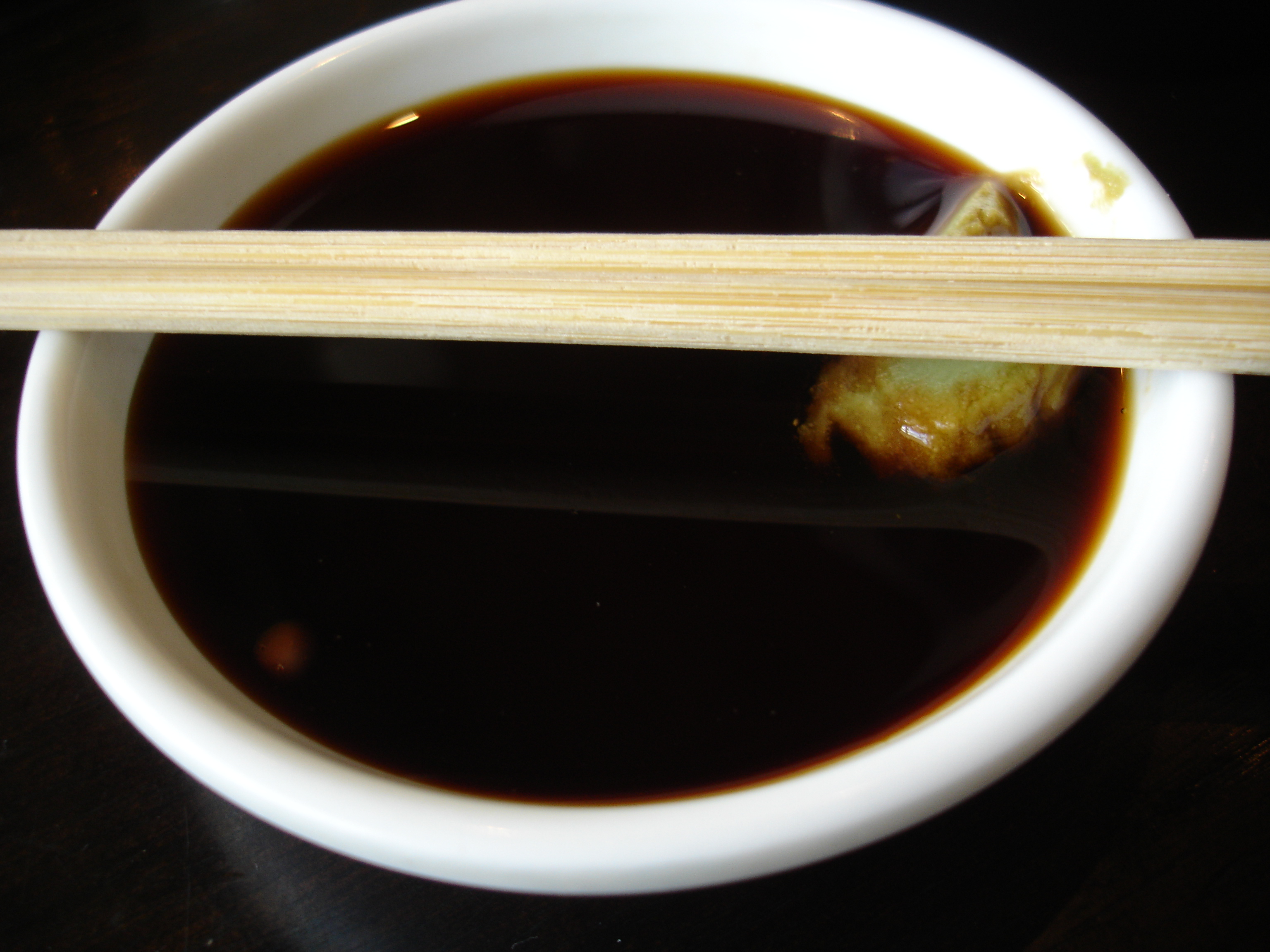
Umami, the fifth basic taste alongside sweet, sour, salty, and bitter, is a savory sensation. First identified and named by Japanese chemist Kikunae Ikeda in 1908, umami is responsible for the rich, mouth-filling depth found in foods like aged cheeses, cured meats, mushrooms, tomatoes, and fermented products such as soy sauce and dashi. Its discovery revolutionized our understanding of taste perception, moving beyond the traditional four tastes and opening new avenues in food development and culinary arts. The molecular mechanisms involve specific umami receptors on the tongue that bind with glutamate and synergistic nucleotides like inosinate and guanylate, amplifying the savory experience. This scientific understanding has profound implications for the food industry, influencing everything from processed food formulation to gourmet cooking, aiming to enhance palatability and create more satisfying flavor profiles.
🎵 Origins & History
The scientific exploration of umami began in 1908 when Japanese chemist Kikunae Ikeda of the Tokyo Imperial University identified the distinct savory taste in kombu dashi (kelp broth). He termed this unique flavor 'umami,' derived from the Japanese word 'umai' (delicious) and 'mi' (taste). Ikeda's subsequent patent for producing monosodium glutamate (MSG) as a seasoning marked the commercialization of this discovery. For decades, Western science largely overlooked umami, clinging to the four-taste paradigm. It wasn't until the late 20th century, with the identification of specific umami receptors and further research by others, that umami gained global scientific acceptance as the fifth basic taste, fundamentally altering the landscape of taste science and food chemistry.
⚙️ How It Works
Umami's sensory experience is mediated by specific taste receptors on the tongue. When glutamate molecules bind to these receptors, they trigger a signal cascade that the brain interprets as a savory taste. The intensity of umami can be significantly amplified through synergy. Inosinate (IMP), found abundantly in meats and fish, and guanylate (GMP), prevalent in mushrooms and dried vegetables, enhance the glutamate receptor's response. This synergistic effect is why dishes combining ingredients rich in both glutamate and nucleotides, such as a dashi broth made from kombu (glutamate) and katsuobushi (inosinate), exhibit a profoundly more intense umami flavor than either ingredient alone. This molecular interaction explains the complex depth and satisfaction derived from many savory foods.
📊 Key Facts & Numbers
The human tongue possesses approximately 2,000 to 8,000 taste buds, each containing 50 to 100 taste receptor cells, with a significant portion dedicated to detecting umami. Tomatoes, a rich source of glutamate, contain an average of 140 mg of free glutamate per 100 grams, while aged Parmesan cheese can contain up to 1,200 mg per 100 grams. Globally, an estimated 70% of the world's population consumes monosodium glutamate (MSG) annually, with consumption figures reaching over 3 million metric tons in 2023. The global market for umami ingredients, including MSG, yeast extracts, and hydrolyzed vegetable proteins, was valued at approximately $3.5 billion in 2022 and is projected to grow at a compound annual growth rate (CAGR) of 5.8% through 2030.
👥 Key People & Organizations
The foundational figure in umami science is Kikunae Ikeda (1864-1931), the Japanese chemist who first identified and named the taste. His work led to the commercialization of monosodium glutamate (MSG) through the Ajinomoto Group, a company he co-founded. Key researchers in the modern era include those who identified the specific umami receptors on the tongue. Other significant contributors to understanding umami's biochemistry and sensory perception include Masashi Kato, whose work elucidated the synergistic effects of nucleotides. The Ajinomoto Group continues to be a dominant force in umami ingredient research and production, alongside other major food ingredient companies like Cargill and Ingredion.
🌍 Cultural Impact & Influence
Umami's recognition has profoundly reshaped global cuisine and the food industry. It legitimized the complex savory profiles long appreciated in Asian cuisines, such as dashi and soy sauce, and brought them to the forefront of international culinary discourse. Chefs worldwide, from René Redzepi at Noma to David Chang, have embraced umami as a critical element in creating deeply satisfying dishes, moving beyond the traditional sweet, sour, salty, and bitter. The food industry has leveraged this understanding to develop products with enhanced palatability and reduced sodium content, using umami-rich ingredients like yeast extracts and fermented proteins as flavor enhancers. This scientific insight has also fueled a greater appreciation for ingredients like mushrooms, tomatoes, and aged cheeses, elevating their status from simple components to flavor powerhouses.
⚡ Current State & Latest Developments
Current research in umami science is increasingly focused on its role in health and nutrition, particularly in appetite regulation and satiety. Studies published in journals like the Journal of Nutrition are exploring how umami signals can influence food intake and reduce cravings for less healthy options. The food industry is actively developing novel umami ingredients derived from sustainable sources, such as microalgae and insect proteins, to meet growing consumer demand for natural flavor enhancers. Furthermore, advancements in genetic sequencing and protein engineering are leading to a more precise understanding of umami receptor function, potentially enabling the development of targeted flavor modulators. The ongoing debate around MSG continues, with scientific consensus supporting its safety, yet public perception remains a significant factor in its application.
🤔 Controversies & Debates
The primary controversy surrounding umami, particularly in its commercialized form, centers on monosodium glutamate (MSG). Despite overwhelming scientific consensus from organizations like the U.S. Food and Drug Administration (FDA) and the World Health Organization (WHO) that MSG is safe for consumption for the general population, a persistent public perception links it to adverse reactions, often termed 'Chinese Restaurant Syndrome.' This debate, fueled by anecdotal evidence and historical misinformation, has led many food manufacturers to label products as 'MSG-free,' even when they contain naturally occurring glutamates from ingredients like yeast extract. Another area of discussion involves the precise quantification and sensory perception of umami, with ongoing research aiming to standardize measurement techniques and understand individual variations in taste sensitivity.
🔮 Future Outlook & Predictions
The future of umami science promises a deeper integration into health-conscious food design and personalized nutrition. Researchers are exploring how umami can be used to reduce sugar and salt content in processed foods without sacrificing flavor, a critical goal for public health initiatives. The development of novel umami compounds from fermentation and enzymatic processes is expected to expand the palette of savory flavors available to food developers. Furthermore, understanding the gut-brain axis and the role of taste receptors in overall health may reveal new therapeutic applications for umami-based compounds, potentially influencing appetite control and metabolic health. The ongoing exploration of the synergistic interactions between different umami compounds could lead to the creation of entirely new flavor experiences, pushing the boundaries of culinary innovation.
💡 Practical Applications
Umami plays a crucial role in the food industry, particularly in product development and flavor enhancement. Manufacturers utilize umami-rich ingredients like yeast extracts, hydrolyzed vegetable proteins, and MSG to boost the savory appeal of processed foods such as soups, sauces, snacks, and ready-to-eat meals. In the culinary world, chefs employ umami-laden ingredients like mushrooms, tomatoes, Parmesan cheese, and fish sauce to add depth and complexity to dishes. The science of umami also informs the creation of plant-based meat alternatives, helping them achieve a more meat-like savory profile. Unders
Key Facts
- Category
- science
- Type
- topic