
Contents
Overview
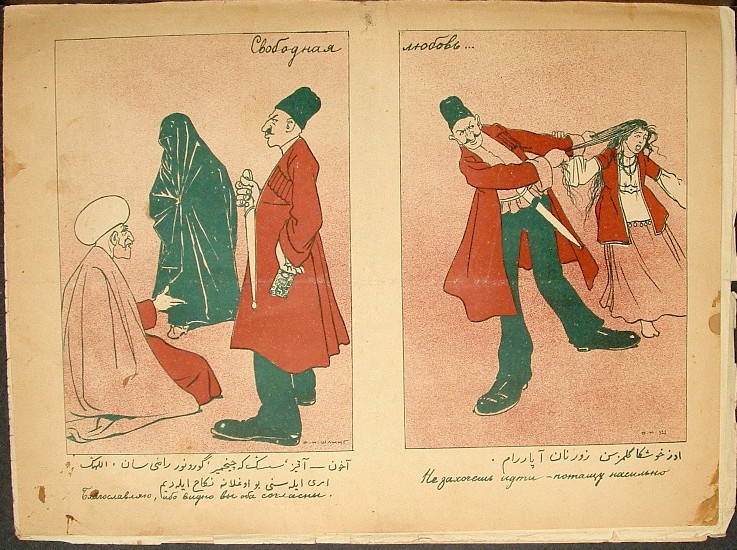
The practice of forcing individuals into marriage predates recorded history, appearing in various forms across numerous ancient civilizations. Historically, such unions were often driven by political alliances, economic expediency, or the desire to consolidate power and property. In feudal Europe, for instance, marriages were frequently arranged by noble families to secure land and influence, with the consent of the bride or groom being a secondary concern. Similarly, in many patriarchal societies throughout antiquity and into the medieval period, women were often viewed as property to be exchanged, with their marital fate determined by fathers or male guardians. The concept of individual autonomy and romantic love as a basis for marriage gained traction much later, particularly during the Enlightenment and subsequent social reform movements, yet the deeply entrenched traditions of familial control and societal pressure meant that forced unions persisted, often cloaked in the guise of tradition or obligation. Early legal frameworks often failed to recognize forced marriage as a distinct offense, subsuming it under broader categories of coercion or abduction, reflecting a societal acceptance of parental authority over individual choice in marital matters.
⚙️ How It Works
Forced marriage operates through a spectrum of coercive tactics, rarely involving overt, singular acts of violence. More commonly, it involves a sustained campaign of psychological pressure, emotional blackmail, and manipulation designed to break down an individual's resistance. This can include threats against the individual or their family, social ostracization, or the withholding of essential resources like education or financial support. In some cases, individuals are lured under false pretenses to a location where the marriage is then forced upon them, a tactic known as 'marriage by deception.' The coercion can also be subtle, leveraging deeply ingrained cultural norms and expectations around family honor, duty, and shame to compel compliance. For example, a young person might be told that their refusal to marry will bring disgrace upon their entire family, creating an unbearable burden of guilt. The marriage ceremony itself, even if seemingly consensual due to overwhelming pressure, does not legitimize the forced union, as the initial consent was compromised. The act of being forced to stay in a marriage against one's will, even if initially entered with some degree of consent, also constitutes forced marriage.
📊 Key Facts & Numbers
The economic drivers are substantial, with dowry practices and bride prices contributing to the commodification of individuals in certain regions. Numerous organizations worldwide are dedicated to combating forced marriage. The UN Women and the United Nations Population Fund (UNFPA) are at the forefront of international efforts, advocating for policy changes and providing support services. Legal scholars and human rights lawyers, including those associated with the Human Rights Watch, continuously work to strengthen legal protections and hold perpetrators accountable through international and domestic legal frameworks.
👥 Key People & Organizations
The cultural impact of forced marriage is profound and multifaceted, perpetuating cycles of inequality and limiting individual potential. It disproportionately affects women and girls, robbing them of their education, career aspirations, and reproductive autonomy. The practice can lead to severe psychological trauma, including depression, anxiety, and post-traumatic stress disorder, often exacerbated by the lack of agency and the potential for ongoing abuse within the marriage. Culturally, forced marriage can reinforce patriarchal norms and the commodification of individuals, where family honor and economic considerations supersede personal well-being. In communities where it is prevalent, it can create deep divisions between those who uphold traditional practices and those who advocate for individual rights. The global condemnation of forced marriage by international bodies like the United Nations signifies a growing recognition of its violation of fundamental human rights, influencing legal reforms and public discourse in many countries, though cultural inertia remains a significant barrier to eradication.
🌍 Cultural Impact & Influence
Efforts to combat forced marriage continue to evolve, with a growing emphasis on prevention and victim support. International organizations are pushing for stronger legislative frameworks in countries where forced marriage remains legal or inadequately addressed. Technology is also playing an increasing role, with apps and online platforms being developed to provide resources and safe reporting channels for potential victims. However, challenges persist, particularly in regions experiencing conflict or economic instability, where vulnerability to forced marriage often increases. The ongoing debate around defining and prosecuting forced marriage, especially in cases of 'marriage by deception' or where coercion is subtle, continues to shape legal strategies and advocacy efforts. The Global Rights Compliance organization, for instance, is actively working on developing new legal tools to address these complex scenarios.
⚡ Current State & Latest Developments
The primary controversy surrounding forced marriage lies in its fundamental violation of human rights, specifically the right to free and full consent in marriage, as enshrined in the Universal Declaration of Human Rights. Some scholars and activists debate the very term 'forced marriage,' arguing that applying the consensual language of 'marriage' to a non-consensual union can inadvertently legitimize or obscure the coercive nature of the act. There is also ongoing debate about the distinction between forced marriage and arranged marriage, particularly in cultural contexts where familial pressure can be intense, blurring the lines of consent. Furthermore, the effectiveness and ethical implications of intervention strategies are debated; some argue that external intervention can be perceived as cultural imperialism, while others maintain that human rights violations must be addressed regardless of cultural context. The legal prosecution of perpetrators also presents challenges, as proving coercion can be difficult, especially when societal norms condone such practices.
🤔 Controversies & Debates
The future outlook for eradicating forced marriage is cautiously optimistic, driven by increased global awareness and legal reforms. International bodies like the UN Human Rights Office are co
Key Facts
- Category
- culture
- Type
- topic