
Contents
- 🐎 The Mustang: More Than Just Metal
- 🛠️ Generations of Grit and Glory
- 💰 The Cost of the Cult
- 💨 Performance Tiers: From EcoBoost to Shelby
- 🛣️ The Ownership Vibe: Community and Camaraderie
- 💡 Key Considerations for New Owners
- ⚖️ Mustang vs. Camaro: The Eternal Rivalry
- 🚀 The Future of the Pony
- 🌟 Vibepedia Mustang Vibe Score
- Frequently Asked Questions
- Related Topics
Overview
Ford Mustang ownership isn't just about possessing a car; it's about joining a lineage. Since its explosive debut at the 1964 New York World's Fair, the Mustang has transcended mere automotive design to become a cultural icon. It's the quintessential pony car, a symbol of American freedom and youthful exuberance. Owning one means inheriting a legacy that spans over six decades, a legacy built on performance, style, and an undeniable sense of rebellion. Whether you're drawn to the classic lines of a '60s fastback or the aggressive stance of a modern GT, the Mustang offers an emotional connection that few vehicles can match. It’s a rolling piece of history, a statement of intent, and for many, a lifelong dream realized.
🛠️ Generations of Grit and Glory
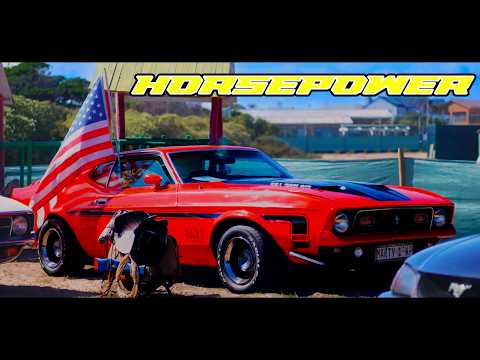
The Mustang's history is a rich tapestry of innovation and evolution, marked by distinct generations that resonate deeply with enthusiasts. From the original 1964.5 model that redefined the automotive market, through the muscle-bound glory of the late '60s and early '70s, to the Fox Body era that saved the nameplate in the '80s, each iteration has its champions. The '90s brought the SN95, followed by the retro-futuristic S197 and the sleek, modern S550. Understanding these generations is crucial, as they represent different engineering philosophies, design languages, and performance capabilities, each with its own dedicated following and set of common issues. The ongoing debate about which generation reigns supreme is a cornerstone of Mustang lore.
💰 The Cost of the Cult
The financial commitment to Mustang ownership varies wildly, from surprisingly accessible entry points to stratospheric collector prices. A used EcoBoost model from the S550 generation can often be found for under $20,000, offering a potent blend of performance and fuel efficiency. Stepping up to a V8-powered GT will typically add a few thousand dollars, with prices fluctuating based on mileage, condition, and specific options. For the truly dedicated, a pristine Shelby variant, especially from earlier eras, can command six-figure sums, placing them firmly in collector territory. Beyond the purchase price, factor in insurance, maintenance, and potential modifications, which can significantly impact the overall cost of ownership. The cost of ownership is a critical factor for any potential buyer.
💨 Performance Tiers: From EcoBoost to Shelby
Performance is the beating heart of the Mustang, and Ford offers a spectrum to satisfy various desires. The Ford Mustang EcoBoost engine, a turbocharged 2.3-liter four-cylinder, provides impressive torque and surprising acceleration, often outperforming older V8 models while delivering better fuel economy. The iconic Ford Mustang GT boasts a 5.0-liter Coyote V8, delivering that classic V8 rumble and exhilarating power. For those seeking the pinnacle of performance, the Shelby Mustang models, such as the GT350 and GT500, represent the zenith, featuring high-revving Voodoo and Predator V8s, track-tuned suspensions, and aerodynamic enhancements that push the boundaries of what a street-legal Mustang can do. Each engine option offers a distinct driving experience and a unique Vibe Score for performance enthusiasts.
🛣️ The Ownership Vibe: Community and Camaraderie
Owning a Mustang is often a gateway to a vibrant and passionate community. From local car clubs and regional meet-ups to national conventions and online forums, Mustang owners share a common bond. These communities are invaluable for sharing knowledge, troubleshooting issues, organizing group drives, and celebrating the shared love for the pony car. Attending a Mustang club meetup or a Cars and Coffee event will quickly reveal the camaraderie. This sense of belonging is a significant part of the Mustang ownership experience, transforming a solitary hobby into a shared passion. The Community Engagement aspect is a major draw for many.
💡 Key Considerations for New Owners
Before diving into Mustang ownership, consider a few practical points. First, research specific generations and models; not all Mustangs are created equal, and some years are more prone to certain issues than others. Second, assess your budget realistically, accounting for not just the purchase price but also ongoing costs like insurance, fuel, and maintenance. Third, test drive different trims and engine options to find the performance and feel that best suits you. Finally, connect with the Mustang community early on; experienced owners can offer invaluable advice on everything from finding a good mechanic to identifying desirable aftermarket parts. Understanding Car Maintenance Basics is essential.
⚖️ Mustang vs. Camaro: The Eternal Rivalry
The rivalry between the Ford Mustang and the Chevrolet Camaro is one of the most storied in automotive history, a blue-collar battle that has fueled decades of competition and fan loyalty. While both are iconic American muscle/pony cars, they possess distinct personalities. The Mustang is often lauded for its more refined interior and slightly more accessible performance variants, while the Camaro has historically been praised for its raw, track-focused handling, especially in its later generations. The debate over which is 'better' is subjective and deeply personal, often boiling down to brand loyalty and specific model year comparisons. Both offer thrilling driving experiences, but the Mustang vs. Camaro Debate remains a passionate and enduring one.
🚀 The Future of the Pony
The future of the Mustang is a subject of intense speculation and debate within the automotive world. With the industry's rapid shift towards electrification, questions linger about the long-term viability of traditional internal combustion engines in performance cars. Ford has already introduced the Mustang Mach-E, an electric SUV that carries the Mustang name but is a departure from the traditional coupe/convertible formula, sparking controversy among purists. While Ford has committed to keeping the V8 engine alive in the current generation Mustang (S650), the long-term outlook for a purely gasoline-powered pony car remains uncertain. The Future of Automotive Technology will undoubtedly shape the Mustang's evolution, potentially leading to hybrid powertrains or even fully electric successors that aim to capture the original's spirit. Will the Electric Vehicle Revolution embrace the pony car ethos?
🌟 Vibepedia Mustang Vibe Score
The Vibepedia Mustang Vibe Score is a dynamic metric reflecting the cultural energy, enthusiast passion, and historical significance of owning a Ford Mustang. On a scale of 0-100, the Mustang consistently scores high, typically in the 85-95 range. This score is driven by its enduring Cultural Impact, its strong presence in motorsports and popular culture, and the passionate global community that surrounds it. While specific generations or models might fluctuate slightly based on collectibility and performance benchmarks, the Mustang as a whole represents a peak Automotive Lifestyle experience. Its ability to adapt across decades while retaining its core identity solidifies its legendary status.
Key Facts
- Year
- 1964
- Origin
- Dearborn, Michigan, USA
- Category
- Automotive Culture & Lifestyle
- Type
- Ownership Guide
Frequently Asked Questions
What is the difference between a Mustang GT and a Shelby Mustang?
The Ford Mustang GT is the V8-powered performance model of the standard Mustang lineup, offering a potent blend of power and everyday drivability. A Shelby Mustang, on the other hand, is a specialized, high-performance variant developed by Shelby American (or Ford Performance in modern iterations). Shelbys typically feature more powerful engines (often supercharged or higher-displacement V8s), enhanced suspension, braking systems, and aerodynamic upgrades, making them track-focused and significantly more expensive. They represent the pinnacle of Mustang performance.
Are older Mustangs reliable for daily driving?
Reliability for older Ford Mustang models varies greatly by year and condition. Early Mustangs (1960s-1970s) can be reliable if well-maintained and restored, but parts availability and the need for specialized knowledge are factors. The Fox Body Mustang (1979-1993) is known for its robustness and relatively simple mechanics, making it a popular choice for daily drivers and modders. Later models (1994-present) generally offer better reliability and modern conveniences, but always get a pre-purchase inspection from a mechanic familiar with classic or performance Fords.
What are the common issues to look for when buying a used Mustang?
Common issues depend on the generation. For early Mustangs, check for rust (especially in the unibody structure, wheel wells, and floor pans), engine wear, and outdated suspension components. Fox Bodies can suffer from electrical gremlins and aging rubber components. S197 models (2005-2014) might have transmission issues or differential whine. S550s (2015-present) are generally robust, but check for any recalls, especially on EcoBoost models regarding fuel systems. A thorough Pre-Purchase Inspection is non-negotiable.
Is the Ford Mustang EcoBoost a 'real' Mustang?
This is a highly debated topic within the Mustang community. Purists argue that a true Mustang must have a V8 engine, referencing the original models and the muscle car heritage. However, the Ford Mustang EcoBoost offers performance figures that rival or exceed many older V8 Mustangs, provides better fuel economy, and has made the Mustang accessible to a wider audience. Ford itself markets it as a legitimate Mustang, and its sales success supports this. Ultimately, whether it's a 'real' Mustang is subjective, but it undeniably carries the Mustang nameplate and spirit of performance.
How much does it typically cost to insure a Ford Mustang?
Insurance costs for a Ford Mustang can vary significantly based on your age, driving record, location, the specific model year and trim (GT and Shelby models are usually more expensive), and coverage levels. Younger drivers, especially males, often face higher premiums. Comprehensive and collision coverage will add to the cost. It's crucial to get insurance quotes before purchasing a Mustang, as premiums can be a substantial part of the overall ownership expense. Expect to pay anywhere from $1,000 to $3,000+ annually, depending on these factors.
Where can I find parts for older Ford Mustangs?
Finding parts for older Ford Mustang models is easier than one might think due to their enduring popularity. Specialized aftermarket companies like CJ Pony Parts, National Parts Depot (NPD), and Scott Drake offer a vast catalog of reproduction and performance parts. Online marketplaces like eBay and dedicated Mustang forums are also excellent resources for used or rare parts. For very early models, some classic car restoration specialists may also carry or be able to source specific components. Classic Car Parts Sourcing requires diligence.