
Contents
Overview
Futurology, also known as futures studies or foresight, is the systematic, interdisciplinary exploration of future trends, societal changes, and technological advancements. It's less about predicting a single, inevitable future and more about understanding potential trajectories, identifying drivers of change, and envisioning plausible alternative futures. Practitioners use a range of methods, from quantitative forecasting to qualitative scenario planning, to grapple with complex systems like climate change, artificial intelligence, and demographic shifts. While often conflated with science fiction or crystal ball gazing, rigorous futurology aims to inform present-day decision-making by illuminating the potential consequences of current actions and emerging possibilities. Its roots trace back to early philosophical inquiries into human progress and have evolved into a distinct academic and professional field influencing policy, business strategy, and public discourse.
🎵 Origins & History
The intellectual lineage of futurology stretches back to ancient philosophers like Plato, who contemplated ideal societies. Early pioneers like Oswald Spengler with his cyclical theory of history and Arnold J. Toynbee explored grand historical patterns, while figures like H.G. Wells popularized speculative futures in literature. The Stanford Research Institute (SRI) became a crucial hub for developing methodologies and fostering research in this nascent field.
⚙️ How It Works
Futurology operates through a diverse toolkit designed to explore potential futures rather than predict a single outcome. Methodologies include trend analysis, identifying patterns and extrapolating them forward; scenario planning, creating multiple plausible narratives of the future based on key uncertainties; Delphi method, a structured communication technique for gathering expert opinions; horizon scanning, systematically identifying weak signals and emerging issues; and systems thinking, understanding the interconnectedness of various factors. These techniques are applied to analyze drivers of change such as artificial intelligence, climate change, biotechnology, and globalization, aiming to map out potential futures ranging from the utopian to the dystopian. The emphasis is on exploring a "cone of possibilities" rather than a single point forecast.
📊 Key Facts & Numbers
The global futures studies market is difficult to quantify precisely due to its interdisciplinary nature, but it's estimated to involve hundreds of research institutions and thousands of practitioners worldwide. Organizations like the United Nations regularly publish foresight reports. Corporate foresight departments are increasingly common, with companies like Shell having a foresight group. Academic journals dedicated to futures studies, such as Futures and the Journal of Foresight and Future Studies, publish dozens of papers annually, reflecting a steady output of research.
👥 Key People & Organizations
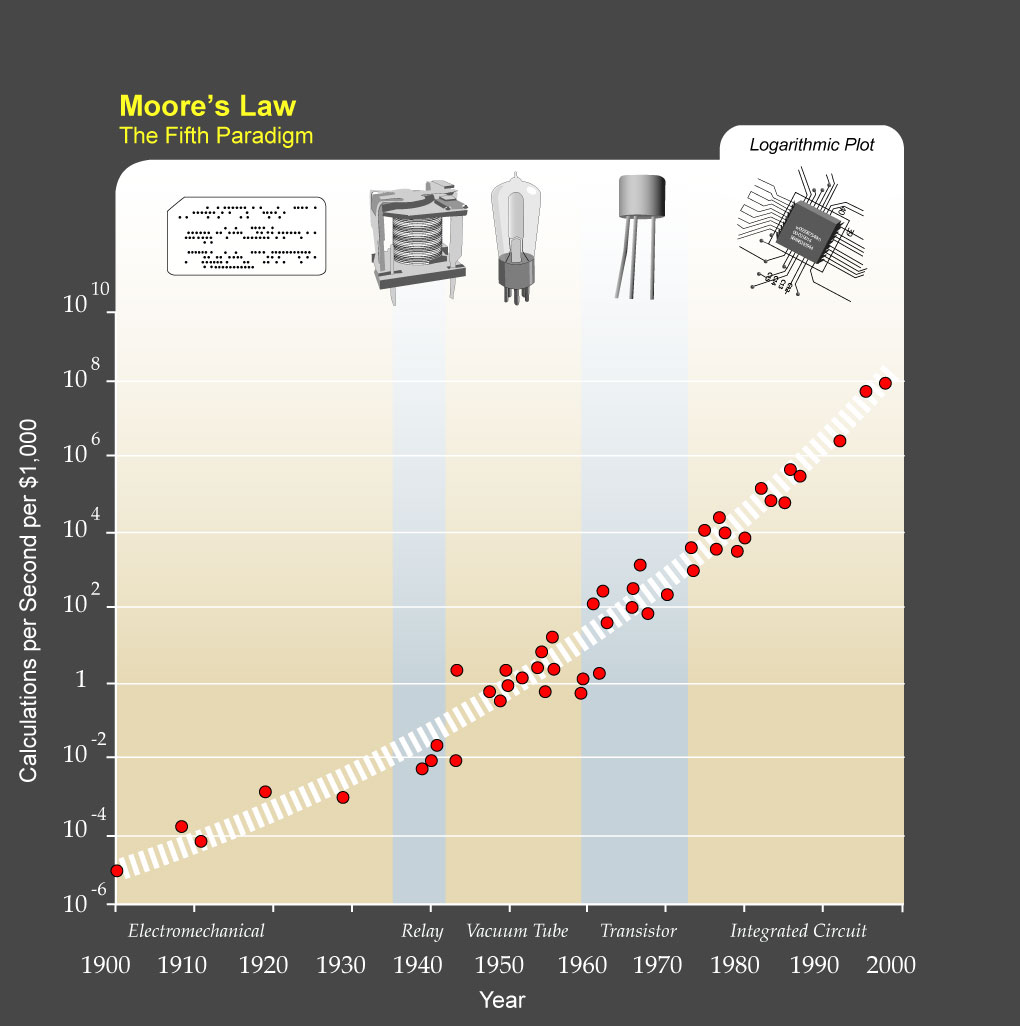
Key figures in futurology include Peter Schwartz, a prominent scenario planner; Ray Kurzweil, known for his predictions on technological singularity and exponential growth; Amy Webb, CEO of the Future Today Institute; and Alvin Toffler, whose books brought futures thinking to a mass audience. Major organizations driving the field include the aforementioned Institute for the Future (IFTF), the Millennium Project, and the World Futures Studies Federation. Think tanks and consulting firms like McKinsey & Company and Deloitte also employ foresight methodologies in their strategic advisory services, influencing corporate and governmental planning.
🌍 Cultural Impact & Influence
Futurology has permeated various aspects of culture, from inspiring science fiction narratives that explore potential futures to shaping public policy and corporate strategy. The concept of "future shock", popularized by Alvin Toffler, describes the psychological disorientation caused by too much change in too short a time, a widely recognized cultural phenomenon. Foresight methodologies are now standard in strategic planning for governments, international organizations like the European Union, and corporations across sectors like technology, energy, and healthcare. The popularization of futurist ideas through books, documentaries, and TED Talks has also raised public awareness and debate about the potential impacts of emerging technologies and societal trends, influencing everything from consumer choices to political discourse.
⚡ Current State & Latest Developments
In 2024, futurology is increasingly focused on the accelerating pace of change driven by generative AI, the ongoing climate crisis, and geopolitical realignments. Organizations are investing more heavily in foresight capabilities to navigate uncertainty, with a growing emphasis on ethical considerations surrounding AI and biotechnology. The World Economic Forum's "Global Risks Report 2024", for instance, highlights interconnected risks like extreme weather events and AI-driven misinformation, underscoring the need for long-term perspectives. Emerging areas of focus include the future of work in an automated economy, the potential for geoengineering solutions to climate change, and the societal implications of longevity research.
🤔 Controversies & Debates
Futurology faces significant criticism for its speculative nature and the inherent difficulty in accurately predicting the future. Skeptics argue that its methodologies can be prone to bias, confirmation bias, and over-reliance on current trends, potentially leading to self-fulfilling prophecies or missed black swan events. The field is often accused of being too abstract or detached from practical realities, and its predictions can be vague or easily disproven. Furthermore, the ethical implications of foresight are debated: should we actively try to shape the future, and who gets to decide which futures are desirable? The potential for foresight to be used for manipulation or to reinforce existing power structures is a persistent concern, leading to ongoing debates about accountability and transparency in foresight practices.
🔮 Future Outlook & Predictions
The future of futurology likely involves deeper integration with data science and machine learning for more sophisticated trend analysis and predictive modeling, while still retaining qualitative methods for exploring complex human and societal factors. Expect a greater emphasis on "preferred futures" and "strategic foresight" – actively shaping desirable outcomes rather than passively observing trends. The field will likely grapple more intensely with existential risks, such as global catastrophic risks from AI or pandemics, and explore solutions for sustainable development and societal resilience. The rise of decentralized technologies like blockchain could also influence how futures are envisioned and co-created, potentially democratizing foresight processes.
💡 Practical Applications
Futurology's practical applications are vast, informing strategic decision-making across numerous sectors. Governments use foresight to develop long-term policies on issues like national security, energy policy, and urban planning. Businesses employ it for product development, market entry strategies, and risk management, as seen in Toyota's early exploration of electric vehicles. Non-profits and international organizations utilize foresight to address global challenges su
Key Facts
- Category
- philosophy
- Type
- topic