
Contents
Overview
The story of galalith, or 'milk stone,' begins in the late 19th century with early experiments in casein chemistry. While the exact inventor remains debated, German chemist Wilhelm Krische is often credited with developing a process for hardening casein with formaldehyde around 1897, patenting it in 1901. This innovation was a direct response to the growing demand for materials that could replace expensive and ethically problematic natural substances like ivory and tortoiseshell. The material was quickly commercialized under various names, most notably as Galalith by the German company Dr. Lehfeldt & Söhne, and as Erinoid in the United Kingdom by the Erinoid Company, established in 1915. The material's ability to be molded and dyed into vibrant colors, coupled with its resemblance to natural materials, propelled its adoption across Europe and North America throughout the early 20th century, marking a significant step in the development of early synthetic polymers.
⚙️ How It Works
The creation of galalith is a fascinating exercise in applied chemistry, transforming a common dairy byproduct into a robust material. The process begins with skimmed milk, from which casein is extracted. This casein is then mixed with water and dyes, forming a dough-like substance. This mixture is pressed into sheets or rods and then immersed in a formaldehyde solution. The formaldehyde acts as a cross-linking agent, reacting with the protein molecules in the casein to form a rigid, three-dimensional network. This chemical reaction, known as polymerization, hardens the material significantly. The resulting 'milk stone' can then be machined, carved, polished, and even inlaid, allowing for intricate designs and a smooth, lustrous finish that belied its humble origins.
📊 Key Facts & Numbers
Galalith's production peaked between the 1920s and 1940s, with global output estimated to have reached tens of thousands of tons annually during its zenith. The material's density typically ranges from 1.35 to 1.45 g/cm³, making it feel substantial in hand, akin to natural horn or ivory. Its tensile strength, while not as high as modern plastics, was sufficient for its intended applications, often cited around 40-60 MPa. The electrical resistance of galalith is notable, with a dielectric strength of approximately 15-20 kV/mm, making it a valuable insulator. Its resistance to humidity is moderate, typically absorbing less than 5% moisture under standard conditions, though prolonged exposure could lead to swelling or degradation. The production cost was significantly lower than natural ivory, often making finished goods up to 70% cheaper.
👥 Key People & Organizations
Several key individuals and organizations were instrumental in galalith's rise and fall. German chemist Wilhelm Krische is widely recognized for his pioneering work in developing the formaldehyde-hardening process for casein in the late 1890s. The German company Dr. Lehfeldt & Söhne was among the first to commercialize the material under the trade name Galalith. In the United Kingdom, the Erinoid Company, founded in 1915, became a major producer, supplying vast quantities of the material for the burgeoning fashion and manufacturing industries. In the United States, the American Catalin Corporation produced a similar casein plastic under the name Aladdinite, though it was often confused with Catalin, a urea-formaldehyde resin. The decline of galalith was partly due to the rise of more versatile and cost-effective petroleum-based plastics like Bakelite and polystyrene after World War II.
🌍 Cultural Impact & Influence
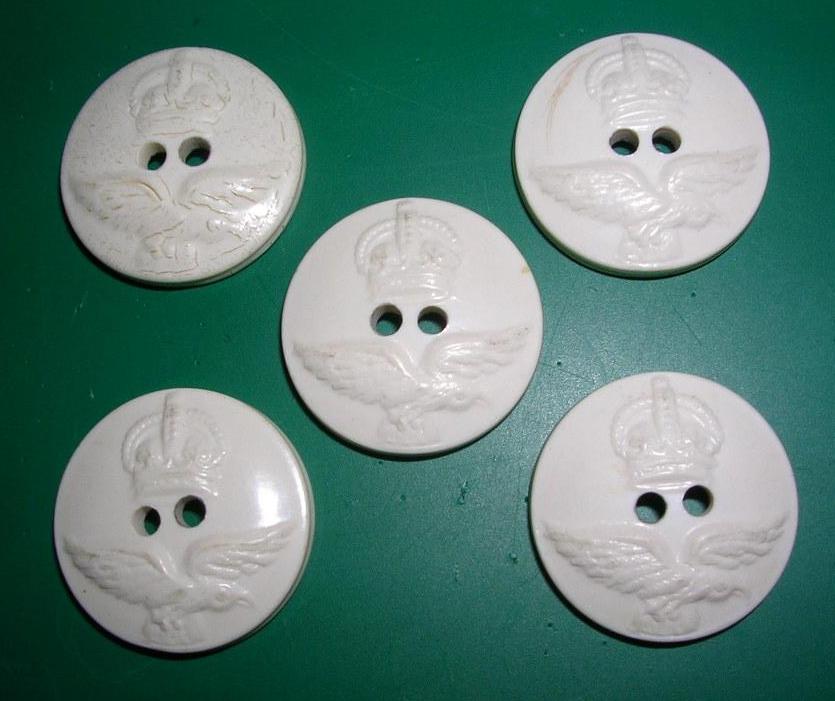
Galalith left an indelible mark on 20th-century design and fashion, democratizing access to materials that mimicked luxury. Its ability to be produced in a dazzling array of colors, from deep ebony to vibrant reds and blues, made it a favorite for costume jewelry, buttons, and decorative accessories throughout the Art Deco period. Designers appreciated its workability, allowing for intricate carvings and molded forms that were previously only possible with natural materials. The Australian Royal Air Force, for instance, utilized galalith buttons, as evidenced by surviving artifacts. Its use in fountain pens, such as those produced by Montblanc and other manufacturers, offered a more affordable alternative to celluloid or precious metals, contributing to the widespread popularity of these writing instruments. The material's subtle, warm luster and its ability to hold intricate detail made it a staple in everyday objects, imbuing them with a sense of elegance.
⚡ Current State & Latest Developments
While galalith is no longer produced on a commercial scale, it remains a material of interest for historical preservationists, collectors, and niche craftspeople. Vintage galalith items continue to be sought after in antique markets and online marketplaces, with prices varying widely based on rarity, condition, and craftsmanship. Some contemporary artists and designers are exploring its use in limited-edition pieces, drawn to its unique aesthetic and historical significance. Efforts are underway by material scientists to understand its degradation pathways and develop conservation strategies for existing artifacts. The knowledge of its production process, though largely superseded, is preserved in historical texts and museum archives, serving as a testament to early polymer innovation.
🤔 Controversies & Debates
The primary controversy surrounding galalith, or rather its precursors and alternatives, lies in the ethical sourcing of natural materials it sought to replace. While galalith itself was a more humane alternative to ivory and tortoiseshell, the early development of plastics often involved processes that were not environmentally benign. Furthermore, the distinction between different casein-based plastics and petroleum-based resins like Bakelite was sometimes blurred in marketing and public perception, leading to confusion about material properties and origins. Some collectors debate the true 'vintage' value of galalith items compared to those made from natural materials, arguing over authenticity and historical significance. The material's susceptibility to moisture and its tendency to yellow or become brittle over time also present challenges for preservation, leading to debates about the best methods for conserving these historical objects.
🔮 Future Outlook & Predictions
The future of galalith is unlikely to involve a large-scale commercial resurgence, given the dominance of modern petroleum-based and bio-based polymers. However, its legacy is secure as a pioneering material in the history of plastics. We might see continued interest from artisanal makers and designers seeking its unique aesthetic for high-end, limited-run products. Research into casein-based materials for biodegradable packaging or specialized applications could indirectly echo galalith's principles. The ongoing appreciation for vintage design and craftsmanship ensures that galalith objects will remain collectible. Perhaps the most significant future development will be in enhanced conservation techniques, allowing these 'milk stones' to endure for future generations to study and admire, ensuring their place in the material history timeline alongside celluloid and rayon.
💡 Practical Applications
Galalith's practical applications were diverse and widespread during its heyday. It was extensively used for manufacturing buttons for clothing, offering a durable and aesthetically pleasing alternative to horn or shell. Its ability to be dyed in various colors made it ideal for intricate jewelry pieces, including beads, pendants, and brooches, particularly popular during the Art Deco period. Fountain pen manufacturers utilized galalith for pen barrels and caps, providing a smooth writing experience and a visually appealing design. Other applications included combs, umbrella handles, electrical components like switch covers and radio casings, and even parts for early automobiles and aircraft, such as the buttons found on the Australian Royal Air Force's uniforms. Its non-flammable and insulating properties made it suitable for various electrical fittings before the advent of more advanced synthetic insulators.
Key Facts
- Category
- aesthetics
- Type
- topic