
Contents
Overview
The story of garlic recipes is as ancient as civilization itself. Originating in Central Asia, garlic (Allium sativum) has a long history of use. Ancient Egyptians revered garlic, using it in their diet and as a form of currency, even burying it with pharaohs. Greek and Roman soldiers consumed garlic for strength and courage, while Hippocrates, the father of Western medicine, documented its therapeutic uses. Across Asia, garlic became a cornerstone of cuisines like those found in India, China, and Korea, integral to dishes like curries, stir-fries, and kimchi. The spread of garlic recipes followed trade routes, with Italian immigrants introducing beloved dishes like aglio e olio and pesto to the Americas, solidifying its global culinary dominance.
⚙️ How It Works
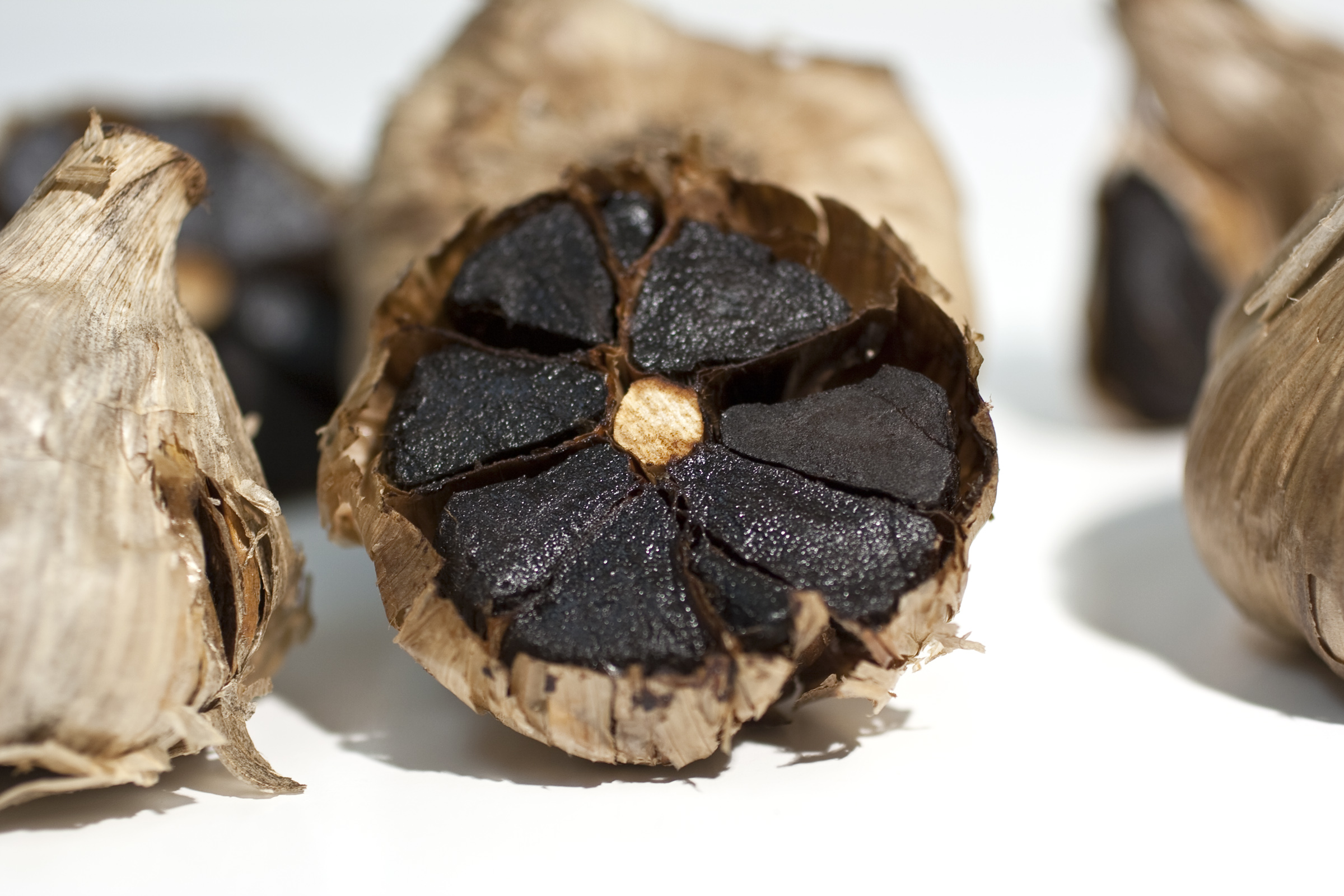
The magic of garlic recipes lies in the chemical reactions that unlock its complex flavors. Raw garlic contains alliin and the enzyme alliinase, separated by cell walls. When crushed, minced, or chopped, these components combine to produce allicin, the compound responsible for garlic's characteristic pungent aroma and sharp taste. Further cooking transforms these compounds. Slow roasting or caramelizing garlic breaks down allicin into sweeter, milder compounds like diallyl disulfide and ajoene, yielding a rich, savory flavor. Techniques like fermentation create black garlic, where the Maillard reaction under controlled heat and humidity transforms cloves into a dark, sticky, molasses-like delicacy with a balsamic-vinegar-like tang. The specific preparation method dictates the final flavor profile, from the fiery kick of raw garlic in salsa verde to the mellow sweetness of roasted garlic in French onion soup.
📊 Key Facts & Numbers
Garlic's global footprint is significant. The global market for garlic products, including fresh garlic, powders, and oils, is valued in the billions of dollars, with projections indicating continued growth. A single head of garlic can contain anywhere from 4 to 20 cloves, and a typical serving size in many recipes is 1-2 cloves.
👥 Key People & Organizations
While no single chef or organization can claim ownership of all garlic recipes, numerous culinary figures and institutions have championed its use. Julia Child, through her influential French cooking shows, popularized techniques like mincing garlic for boeuf bourguignon and creating classic aioli. Lidia Bastianich has brought countless Italian garlic-centric recipes to American kitchens via her television programs and cookbooks. The International Culinary Center and Culinary Institute of America train chefs who incorporate garlic into diverse global cuisines. Organizations like the National Onion and Garlic Association advocate for the industry, while countless food bloggers and recipe developers on platforms like Allrecipes.com and Food Network continuously innovate with garlic-based dishes.
🌍 Cultural Impact & Influence
Garlic recipes are woven into the fabric of global culture, appearing in everything from everyday meals to celebratory feasts. In Italy, garlic is fundamental to dishes like spaghetti carbonara and pizza, often sautéed with olive oil as a base. Indian cuisine relies heavily on garlic in its masalas and vindaloo curries, often paired with ginger. Korean cuisine features garlic prominently in bulgogi and bibimbap. The pungent aroma of garlic cooking is a universally recognized signal of a delicious meal being prepared in kitchens worldwide. Garlic's association with health and vitality has also cemented its place in folk traditions and medicinal practices across continents, influencing everything from folk medicine to modern nutraceuticals.
⚡ Current State & Latest Developments
The landscape of garlic recipes is constantly evolving, driven by global culinary trends and a renewed interest in plant-based eating. Chefs are increasingly experimenting with less common garlic varieties and advanced techniques. For instance, the popularity of fermented foods has spurred interest in homemade garlic ferments and black garlic preparations beyond commercial availability. The rise of veganism and vegetarianism has also highlighted garlic's ability to provide deep savory flavors in meat-free dishes, leading to innovative garlic-forward vegan recipes. Furthermore, the accessibility of online recipe platforms like Tasty.co and Bon Appétit means new garlic recipes are shared and adapted globally at an unprecedented pace, with viral trends often emerging from platforms like TikTok.
🤔 Controversies & Debates
The primary debate surrounding garlic recipes often centers on the 'correct' amount of garlic to use. Enthusiasts of cuisines like Italian or Korean often advocate for generous, even aggressive, use of garlic, while some Western palates might find excessive amounts overwhelming. This leads to discussions about balancing garlic's potent flavor with other ingredients. Another point of contention is the preparation method: raw versus cooked. While raw garlic offers a sharp, medicinal bite, some argue it's too aggressive for many dishes, preferring the mellow sweetness achieved through roasting or slow cooking. The debate over garlic powder versus fresh garlic also persists, with purists insisting on fresh for superior flavor, while others appreciate the convenience and shelf-stability of dried forms.
🔮 Future Outlook & Predictions
The future of garlic recipes points towards greater exploration of its diverse varieties and intensified focus on its health benefits. As global palates become more adventurous, expect to see recipes featuring heirloom garlic types like Rocambole or Elephant Garlic gain traction. The burgeoning field of nutrigenomics may further illuminate garlic's specific health compounds, leading to recipes designed to maximize these benefits, potentially integrating it more into functional foods. We might also see a rise in garlic-centric vegan fine dining, pushing the boundaries of what's possible with this humble bulb, perhaps even in dessert applications, building on the precedent set by black garlic ice cream.
💡 Practical Applications
Garlic recipes are not just for home cooks; they are fundamental to professional kitchens and a vast array of food industries. In restaurants, garlic is a building block for sauces, marinades, dressings, and aromatics across nearly every cuisine. The food processing industry utilizes garlic extensively in products like ketchups, mayonnaises, salad dressings, and processed meats. Garlic powder and granulated garlic are staples in spice blends and seasoning mixes sold globally by companies like McCormick. Furthermore, the pharmaceutical and nutraceutical industries extract compounds from garlic for supplements aimed at cardiovascular health and immune support, often marketed under brands like Nature Made or Gummy Vitamins.
Key Facts
- Category
- culture
- Type
- topic