
Contents
Overview
Garments, more commonly known as clothing or apparel, are items worn on the human body, primarily constructed from fabrics and textiles. These coverings serve a multitude of functions, ranging from protection against environmental elements and physical hazards to expressing social status, cultural identity, and personal style. The history of garments is as old as human civilization itself, evolving from rudimentary animal skins and plant fibers to the sophisticated, mass-produced fashion items of today. Globally, garment production is a colossal industry, employing millions and generating hundreds of billions of dollars annually, deeply intertwined with economies, cultures, and environmental concerns.
🎵 Origins & History
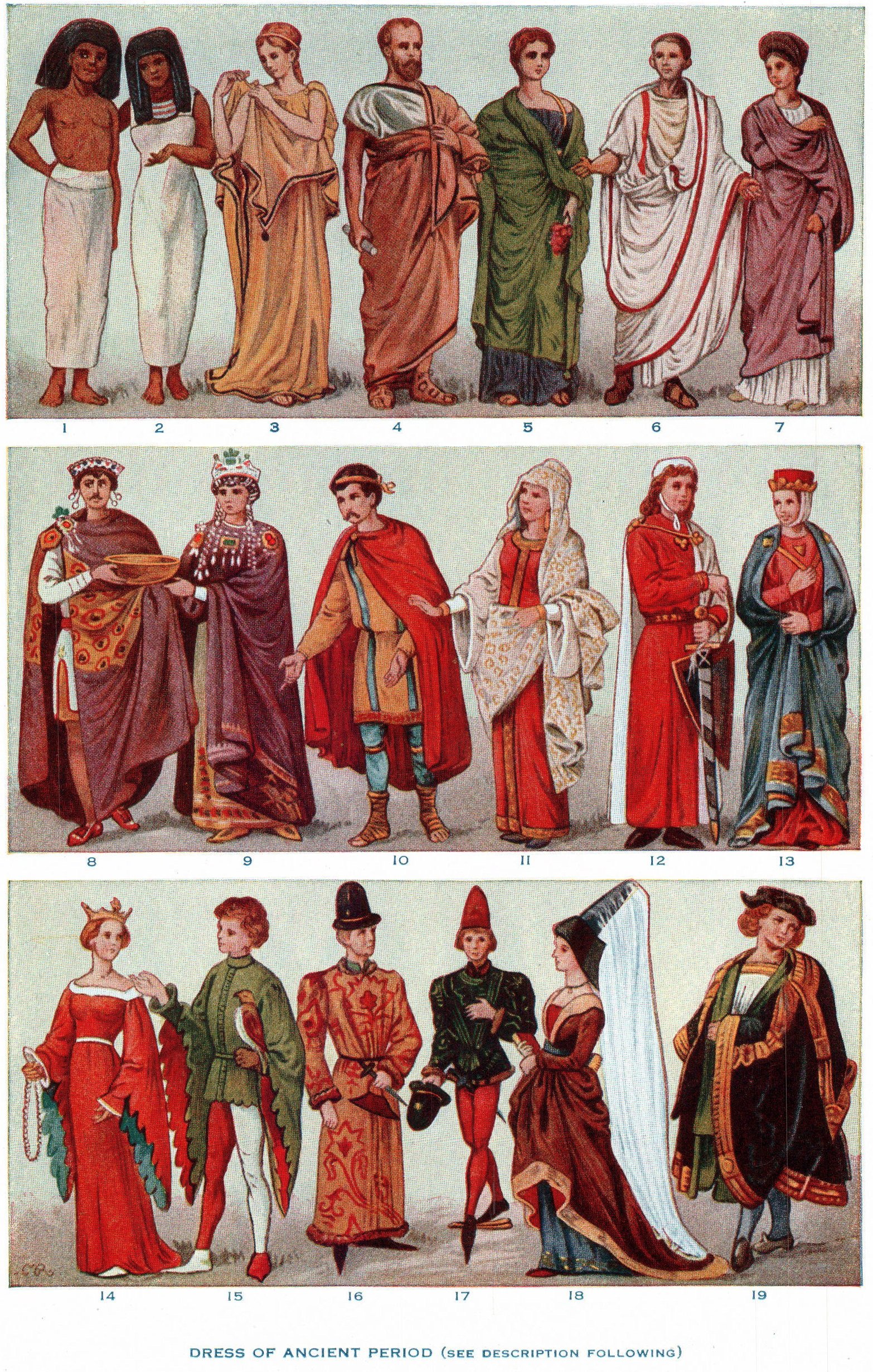
The genesis of garments traces back to the earliest human ancestors, likely predating Homo sapiens. Initial coverings, fashioned from animal hides, leaves, and bark, served primal needs for warmth and protection. Ancient civilizations like those in Egypt, Mesopotamia, and the Indus Valley developed distinct textile traditions, utilizing linen, wool, and cotton to create draped garments like the Egyptian kilt or the Mesopotamian kaunakes. The invention of the loom, a pivotal technological leap, revolutionized textile production, enabling more complex weaves and a wider array of garment styles across cultures, from the togas of Rome to the kimonos of Japan.
⚙️ How It Works
At their core, garments function by creating a barrier between the wearer's body and the external environment. This barrier is achieved through the strategic arrangement and assembly of materials, typically textiles woven from natural fibers like cotton, wool, and silk, or synthetic fibers such as polyester and nylon. The construction involves cutting patterns from these fabrics and joining them with stitches, adhesives, or other fastening methods to form shapes that conform to the human body. Factors like fabric weave, thickness, and breathability dictate a garment's thermal insulation, moisture management, and protective qualities, while design elements such as fit, drape, and embellishments determine its aesthetic and social function.
📊 Key Facts & Numbers
The global apparel market is a titan, with China and Bangladesh being leading garment exporters. The industry directly employs millions of people worldwide.
👥 Key People & Organizations
While no single individual can be credited with inventing garments, countless designers and innovators have shaped their evolution. Figures like Coco Chanel revolutionized women's fashion in the early 20th century with her emphasis on comfort and simplicity, introducing iconic pieces like the Chanel suit. Yves Saint Laurent pushed boundaries with his ready-to-wear collections and iconic Le Smoking tuxedo for women. Major corporations like Inditex (parent company of Zara) and H&M Group have mastered the fast fashion model, influencing global trends through rapid design-to-shelf cycles. Organizations like the World Trade Organization and the International Labour Organization play roles in regulating global garment trade and labor practices.
🌍 Cultural Impact & Influence
Garments are potent vehicles for cultural expression, identity formation, and social signaling. From the ceremonial robes of royalty to the distinctive uniforms of professions, clothing communicates status, affiliation, and belonging. In subcultures, specific styles of dress, like those associated with punk rock or hip-hop culture, have served as visual manifestos. The rise of globalized fashion, heavily influenced by media and marketing from entities like Vogue magazine and Netflix documentaries, has led to both homogenization and the emergence of unique regional trends. The concept of 'vibe' itself is often intrinsically linked to the aesthetic and emotional resonance of the garments one chooses to wear.
⚡ Current State & Latest Developments
The garment industry in 2024 is characterized by a growing, albeit often performative, focus on sustainability. E-commerce platforms like Amazon.com and Shein are dominating sales, with AI-powered recommendation engines and virtual try-on technologies becoming increasingly sophisticated. The rise of the 'metaverse' has also spurred interest in digital garments and virtual fashion, with companies like Roblox Corporation and Epic Games exploring new frontiers for digital apparel.
🤔 Controversies & Debates
The garment industry is rife with controversy, primarily centered on labor practices and environmental impact. Critics often label corporate sustainability initiatives as 'greenwashing'.
🔮 Future Outlook & Predictions
The future of garments will likely be shaped by a confluence of technological advancements and evolving consumer values. Expect a significant increase in personalized and on-demand manufacturing, driven by advancements in 3D printing and digital tailoring. Smart textiles, embedded with sensors for health monitoring or communication, will move from niche applications to mainstream adoption. The circular economy will become a more dominant force, with increased emphasis on repair, resale, and advanced recycling technologies. Furthermore, the distinction between physical and digital garments may blur further, with virtual fashion playing an increasingly significant role in personal expression and brand marketing.
💡 Practical Applications
Garments are fundamental to human life, serving practical and symbolic purposes across all societies. In a practical sense, they provide essential protection from the elements, acting as insulators against heat and cold, and barriers against UV radiation, insects, and physical abrasures. Beyond utility, garments are crucial for hygiene, offering a layer that can be washed and replaced. They are also integral to professional environments, with uniforms in fields like healthcare (e.g., scrubs), aviation (e.g., pilot uniforms), and law enforcement (e.g., police uniforms) signifying roles and authority. In sports, specialized garments enhance performance and safety, from cycling shorts to ski suits.
Key Facts
- Category
- aesthetics
- Type
- product