
Contents
Overview
The gig economy, characterized by short-term contracts and freelance work often facilitated by digital platforms, has fundamentally reshaped global labor markets since its acceleration. This model, exemplified by companies like Uber, Lyft, and DoorDash, offers unprecedented flexibility for workers and on-demand services for consumers. However, it has also ignited fierce debates over worker classification, benefits, and economic security. The impact spans from the erosion of traditional employment structures to the creation of new wealth disparities and regulatory challenges worldwide, with ongoing legal battles and legislative efforts attempting to define the future of work in this evolving landscape.
🎵 Origins & History
The concept of freelance and contract work predates the digital age, with historical precedents found in artisanal guilds and temporary labor markets. Platforms like Etsy and Airbnb paved the way for peer-to-peer service provision, and the launch of Uber catalyzed the on-demand, app-based service model. This era saw a surge in venture capital funding for startups promising to disrupt traditional industries through flexible labor, creating a new paradigm for how services could be accessed and delivered globally.
⚙️ How It Works
At its core, the gig economy operates on a digital platform that connects service providers (gig workers) with consumers. These platforms typically handle customer acquisition, payment processing, and sometimes rating/review systems. Gig workers, often classified as independent contractors, use their own tools and vehicles, set their own hours, and accept or reject tasks as they see fit. This model allows for a highly scalable workforce that can be deployed rapidly to meet fluctuating demand, a stark contrast to the fixed overhead and rigid scheduling of traditional employment. The algorithms governing task allocation, pricing, and worker performance are central to the operational mechanics of these platforms.
📊 Key Facts & Numbers
The scale of the gig economy is staggering. Globally, the market for freelance platforms alone was projected to reach $4.5 trillion by 2023. The value of the global gig economy is expected to grow by 17.4% annually, reaching an estimated $7.7 trillion by 2027, according to Statista.
👥 Key People & Organizations
Key figures in the gig economy's rise include Travis Kalanick and Garrett Camp, co-founders of Uber, who pioneered the ride-sharing model. Brian Chesky, CEO of Airbnb, revolutionized the hospitality sector. Max Levchin, a serial entrepreneur, co-founded Affirm, a company offering point-of-sale loans that often facilitate purchases from gig economy businesses. Organizations like the Gig Workers Rising coalition advocate for better worker protections, while entities like the U.S. Chamber of Commerce often represent the interests of platform companies. The International Labour Organization (ILO) has also been a significant voice in analyzing and proposing global standards for platform work.
🌍 Cultural Impact & Influence
The cultural impact of the gig economy is profound, normalizing on-demand convenience and fostering a culture of immediate gratification. It has influenced media portrayals of work, from the aspirational freedom depicted in some advertisements to the gritty realities of precarious labor. The rise of "side hustles" has become a widespread phenomenon, with individuals leveraging platforms like Etsy, YouTube, and TikTok to supplement income or build personal brands. This has also led to a broader societal conversation about work-life balance, autonomy, and the definition of a "career" in the 21st century, impacting everything from urban planning to consumer behavior.
⚡ Current State & Latest Developments
As of 2024, the gig economy continues its rapid expansion, with new platforms emerging across diverse sectors, including healthcare, education, and professional services. Regulatory battles remain at the forefront, particularly concerning worker classification. California's Proposition 22 remains a contentious example of legislative intervention. The European Union has also been actively developing directives, such as the proposed EU Directive on Working Conditions of Platform Workers, aiming to grant more rights to platform workers. Companies are increasingly experimenting with hybrid models, offering more flexibility than traditional employment but more security than pure independent contracting.
🤔 Controversies & Debates
The central controversy revolves around worker classification: are gig workers independent contractors or employees? Companies like Uber and Lyft argue that their model relies on the flexibility offered by independent contractors, who choose their own hours and work for multiple platforms. Labor advocates and many gig workers contend that the platforms exert significant control over workers through algorithms, performance metrics, and pricing, thus entitling them to employee benefits like minimum wage guarantees, overtime pay, health insurance, and paid sick leave. The legal and ethical implications of algorithmic management, data privacy, and the potential for exploitation are also hotly debated.
🔮 Future Outlook & Predictions
The future of the gig economy is likely to be shaped by a complex interplay of technological advancement, regulatory intervention, and evolving worker expectations. We can anticipate continued innovation in platform design, potentially incorporating more sophisticated AI for task management and worker support. Legislative bodies worldwide will likely continue to grapple with establishing clear legal frameworks, possibly leading to a tiered system of worker classification or sector-specific regulations. The demand for flexibility is unlikely to wane, suggesting that hybrid work models, blending elements of gig work with traditional employment, may become more prevalent, offering a potential path to balancing autonomy with security.
💡 Practical Applications
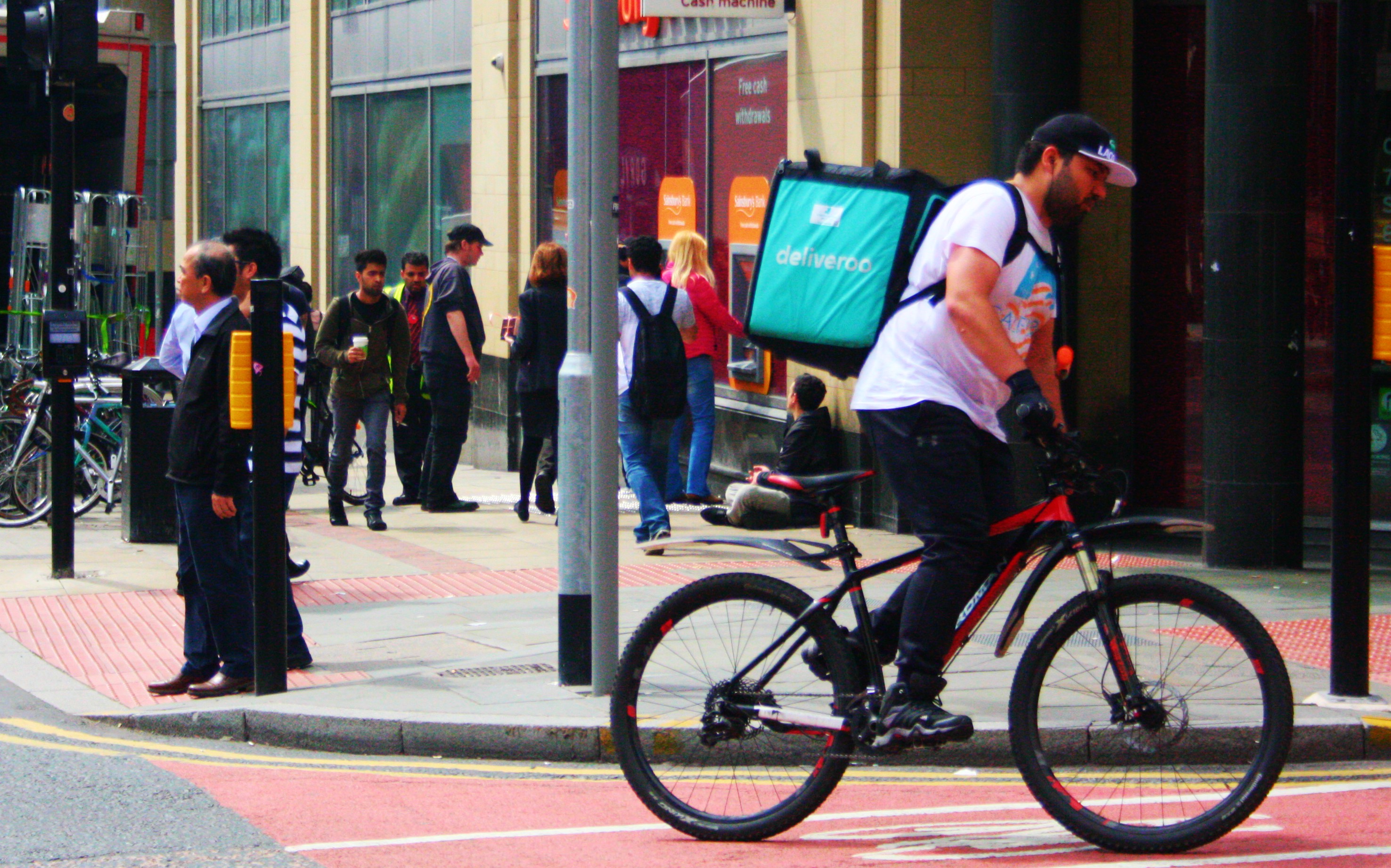
Gig economy platforms have found practical applications across a vast array of services. Ride-sharing services like Uber and Lyft have transformed urban transportation. Food delivery platforms such as DoorDash, Grubhub, and Uber Eats have become indispensable for consumers seeking convenience. Freelance marketplaces like Upwork and Fiverr connect businesses with skilled professionals for tasks ranging from graphic design to software development. Even specialized fields like tutoring (e.g., Chegg) and healthcare (e.g., Taskhuman) are increasingly leveraging gig models for service delivery.
Key Facts
- Category
- movements
- Type
- phenomenon