
Contents
Overview
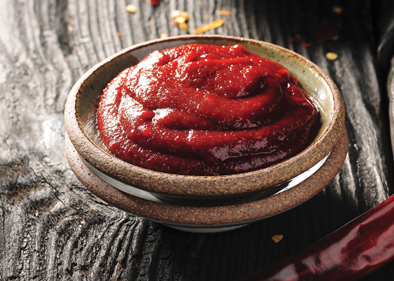
Gochujang, a cornerstone of Korean cuisine, is a thick, crimson paste renowned for its complex flavor profile: a harmonious blend of savory, sweet, and intensely spicy notes. The characteristic sweetness arises from the enzymatic breakdown of glutinous rice starch during a lengthy fermentation, traditionally carried out in earthenware crocks (jangdok) on raised platforms. This condiment is not merely an ingredient but a cultural emblem, deeply woven into the fabric of Korean culinary identity and global food trends, boasting an estimated global market value projected to reach over $600 million by 2027.
🎵 Origins & History
The genesis of gochujang is deeply rooted in Korean history. The traditional method involved meticulous, multi-year fermentation in large earthenware pots, known as jangdok, often placed on elevated stone platforms called jangdokdae in backyards, allowing for natural exposure to sun and air. This slow, natural fermentation process, championed by generations of Korean homemakers and artisanal producers like the Haechang Food company, imbues gochujang with its distinctive depth and complexity.
⚙️ How It Works
The magic of gochujang lies in its intricate fermentation process. The core ingredients—gochugaru (Korean red chili powder), glutinous rice (chapssal), fermented soybean powder (meju), and salt—undergo a complex biochemical transformation. The glutinous rice starch is first cooked and then inoculated with a saccharifying enzyme, often from barley malt powder (yeotgireum), initiating a fermentation that breaks down starches into sugars, contributing to the paste's characteristic sweetness. Simultaneously, the meju powder introduces beneficial microbes, primarily Bacillus species, which contribute savory umami notes and aid in the breakdown of proteins. This slow fermentation, typically lasting months to years, is crucial for developing the paste's signature spicy, sweet, and savory flavor profile, a process meticulously managed by producers like CJ Cheil Jedang and Daesang Corporation.
📊 Key Facts & Numbers
Gochujang is a global phenomenon, with South Korea being the primary producer and consumer. Major brands like Samyang Foods and Ottogi dominate a significant portion of this market, with their products available in over 100 countries worldwide. The global gochujang market was valued at an estimated $450 million in 2022 and is projected to grow at a compound annual growth rate (CAGR) of 5.8% from 2023 to 2030, reaching an estimated $700 million.
👥 Key People & Organizations
While gochujang is a communal culinary heritage, certain individuals and organizations have been instrumental in its preservation and global dissemination. The Korea Food Exporters Association actively promotes Korean food products, including gochujang, internationally. Artisanal producers, often family-run businesses passed down through generations, play a vital role in maintaining traditional fermentation methods. For instance, the Haechang Food company is celebrated for its meticulously aged, high-quality gochujang. Chefs like Roy Choi, a pioneer of Korean-Mexican fusion cuisine, have also significantly amplified gochujang's visibility in Western culinary circles through establishments like Kogi BBQ.
🌍 Cultural Impact & Influence
Gochujang's influence extends far beyond the Korean peninsula, permeating global culinary landscapes. It has become a staple in fusion cuisines, appearing in everything from tacos and burgers to pasta sauces and salad dressings, a testament to its versatility. The rise of Korean popular culture, particularly K-Pop and K-dramas, has further propelled gochujang into mainstream consciousness, with viewers often exposed to its use in iconic Korean dishes like bibimbap and tteokbokki. This cultural export has not only boosted sales for Korean food manufacturers but has also inspired a wave of home cooks worldwide to experiment with this vibrant paste, contributing to a global 'K-food' phenomenon championed by platforms like Maangchi's popular YouTube channel.
⚡ Current State & Latest Developments
In 2024, gochujang continues its upward trajectory, driven by increasing consumer interest in fermented foods and global flavors. Manufacturers are innovating with product variations, including milder versions, organic options, and convenient single-serving packets, catering to a broader demographic. South Korean companies are investing heavily in international marketing campaigns, leveraging social media and culinary influencers to reach new markets. The demand for authentic, high-quality gochujang remains strong, with a growing segment of consumers seeking out traditionally fermented, artisanal products, often sourced directly from specialized producers or through online marketplaces like Amazon.com.
🤔 Controversies & Debates
One persistent debate surrounding gochujang revolves around authenticity and mass production. Critics argue that the accelerated fermentation processes used by large corporations, while efficient, can compromise the depth of flavor and complexity achieved through traditional, multi-year aging. Another point of contention is the varying spice levels and ingredient ratios across different brands and regions, leading to discussions about what constitutes 'true' gochujang. Furthermore, the increasing commercialization has led to concerns about the potential dilution of cultural heritage, as traditional production methods become less common in favor of industrial-scale manufacturing, a concern echoed by artisanal producers like Jangdokdae Artisans.
🔮 Future Outlook & Predictions
The future of gochujang appears robust, with continued global expansion on the horizon. Experts predict further diversification of product lines, including gochujang-infused snacks, beverages, and even non-food items like candles or soaps, capitalizing on its strong brand identity. The trend towards plant-based diets may also spur innovation in vegan gochujang formulations. As global palates become more adventurous, gochujang is poised to become an even more ubiquitous ingredient, potentially rivaling established condiments like Sriracha and Tabasco in terms of international recognition and usage, with market analysts forecasting sustained double-digit growth for the next decade.
💡 Practical Applications
Gochujang's versatility makes it a culinary chameleon, adaptable to a vast array of dishes. It is the indispensable heart of classic Korean stews like kimchi jjigae and doenjang jjigae, and the star of street food favorites such as tteokbokki and odeng skewers. Beyond Korean borders, it serves as a potent marinade for grilled meats, a flavor booster for stir-fries, a spicy kick in salad dressings, and an unexpected addition to dips and sandwich spreads. Its ability to add both heat and umami makes it a secret weapon for chefs seeking to elevate everyday dishes, from simple roasted vegetables to complex braised short ribs, as demonstrated by chefs at Gramercy Tavern.
Key Facts
- Category
- culture
- Type
- product