
Contents
Overview
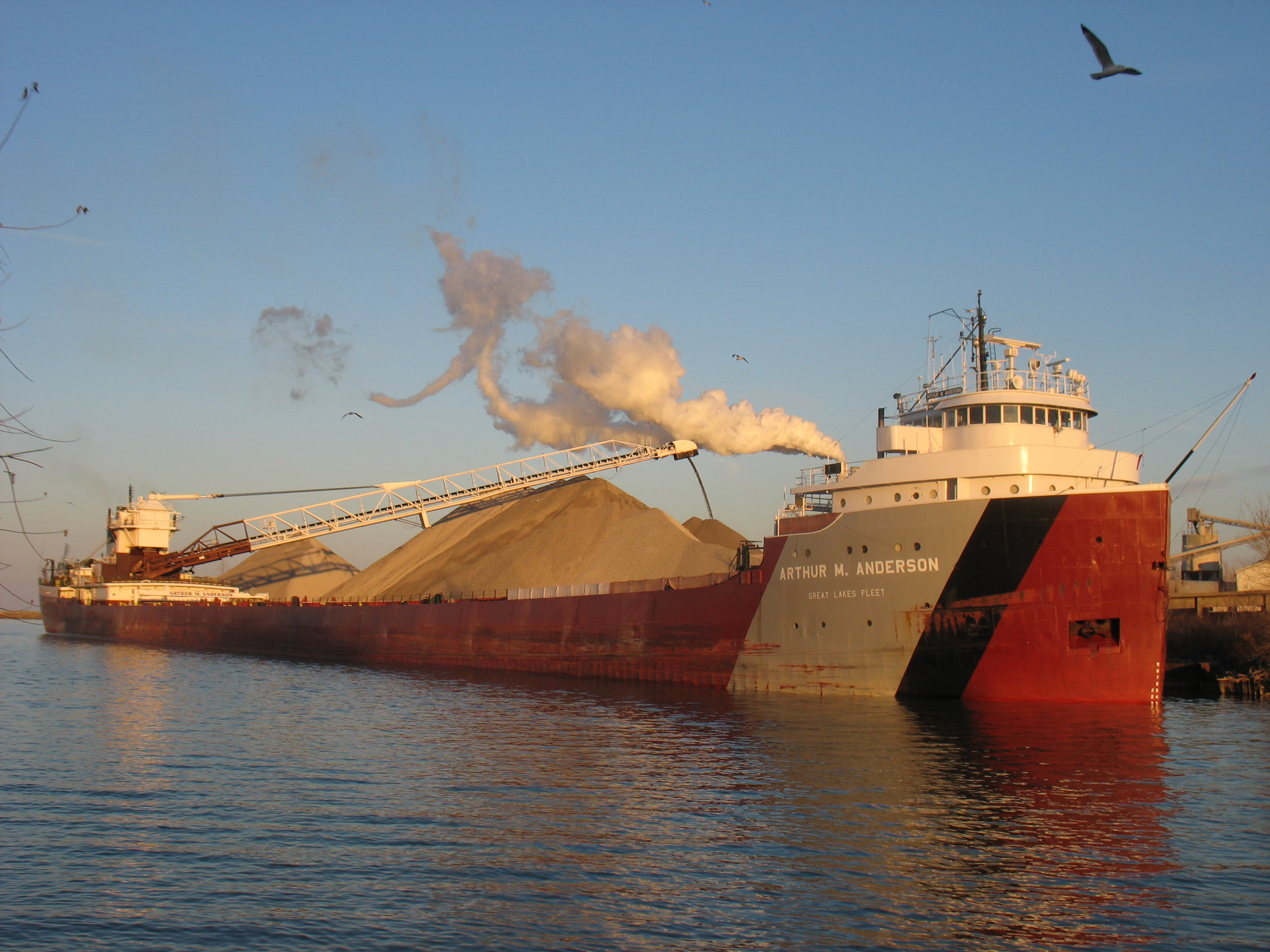
The genesis of Great Lakes shipping can be traced back to the mid-19th century, with the advent of steam-powered vessels and the construction of canals like the Welland Canal that bypassed Niagara Falls. Early operations focused on moving raw materials from the resource-rich Upper Lakes to burgeoning industrial centers in the Lower Lakes and the Ohio River Valley. This era saw the rise of specialized bulk carriers, evolving from schooners to the distinctive 'laker' design that optimized for speed and capacity in the unique Great Lakes environment.
⚙️ How It Works
Great Lakes shipping operates on a system of specialized vessels and infrastructure. The cargo itself—primarily iron ore, coal, grain, and limestone—is loaded and unloaded using massive, automated dockside equipment like Hulett unloaders and conveyor systems, often taking mere hours to fill or empty a vessel. The St. Lawrence Seaway and its associated locks are crucial for enabling passage between the lakes and to the Atlantic, though their size limitations (the 'Seawaymax' standard) dictate the maximum dimensions of vessels that can transit the entire system. Icebreakers are essential during the winter months to keep key channels open, ensuring the navigation season, though shortened, remains as continuous as possible.
📊 Key Facts & Numbers
The Great Lakes shipping industry is a colossal economic engine. The average 'laker' is capable of carrying upwards of 70,000 tons of cargo.
👥 Key People & Organizations
Several key individuals and organizations have shaped Great Lakes shipping. Henry Ford, while primarily known for automobiles, recognized the importance of the Great Lakes for transporting raw materials like iron ore for his Ford Motor Company plants. James J. Hill, a titan of the railroad industry, also invested in Great Lakes shipping to complement his rail networks. Major shipping companies like The Interlake Steamship Company, Pines Marine, and Canada Steamship Lines operate the majority of the fleet. The Great Lakes St. Lawrence Seaway Development Corporation (GLS) and its Canadian counterpart, the St. Lawrence Seaway Management Corporation (SLSMC), manage and maintain the vital waterway infrastructure. The Lake Carriers' Association serves as a crucial industry advocacy group, representing vessel operators.
🌍 Cultural Impact & Influence
Great Lakes shipping has woven itself into the cultural fabric of the region. The iconic image of a 'laker' traversing the vast freshwater lakes is a powerful symbol of industrial might and North American self-sufficiency. The sinking of the SS Edmund Fitzgerald was immortalized in Gordon Lightfoot's ballad. The distinct 'boat horns' of these vessels are a familiar soundscape along the shores, evoking a sense of history and the enduring rhythm of commerce. The very identity of cities like Duluth, Cleveland, and Thunder Bay is intrinsically linked to their role as major Great Lakes ports.
⚡ Current State & Latest Developments
The industry is currently navigating a complex landscape of modernization and environmental pressures. Many operators are investing in newer, more fuel-efficient vessels, such as Algoma Central Corporation's new eco-friendly 'Equinox' class ships, to reduce emissions and operating costs. The push for greater automation and digitalization is also evident, with advancements in navigation systems and cargo handling technologies. The Great Lakes Waterway itself is undergoing continuous maintenance and dredging to ensure adequate depths for the largest vessels.
🤔 Controversies & Debates
The sustainability of Great Lakes shipping is a persistent point of contention. The burning of fossil fuels by the fleet contributes to air pollution and greenhouse gas emissions, particularly during the extended navigation season. The potential impact of ballast water discharge on native ecosystems, though regulated by the National Ballast Water Management Program, remains a concern for invasive species. The ongoing debate about the future of the St. Lawrence Seaway and its capacity limitations also fuels discussion about the long-term role of large-vessel shipping in the region.
🔮 Future Outlook & Predictions
The future of Great Lakes shipping hinges on several key developments. A significant trend is the ongoing fleet modernization, with a focus on vessels that meet stricter environmental regulations and offer improved fuel efficiency. The potential for alternative fuels like LNG or even hydrogen fuel cells is being explored, though widespread adoption faces significant infrastructure and cost hurdles. Investments in smart shipping technologies, including advanced sensor systems and predictive maintenance, are expected to increase operational efficiency and safety. There's also a growing emphasis on intermodal integration, strengthening the links between waterborne transport and rail and road networks to create more seamless supply chains. The long-term impact of climate change on ice formation and water levels could also necessitate significant adaptations.
💡 Practical Applications
Great Lakes shipping is fundamental to the North American industrial economy. Its primary application is the bulk transport of raw materials essential for manufacturing and energy production. Iron ore from the Mesabi Range feeds steel mills in Pittsburgh and Hamilton, while coal from Appalachia powers electricity generation across the Midwest. Grain from the American Midwest and Canadian Prairies is shipped to domestic processors and export terminals. Limestone is crucial for steelmaking and construction. Beyond these core commodities, the system also handles products like salt, cement, and petroleum products, underscorin
Key Facts
- Category
- technology
- Type
- topic