
Contents
Overview
The Green Revolution emerged post-World War II as a response to global food shortages, driven by the Rockefeller Foundation and the Ford Foundation. Norman Borlaug, a key figure, developed high-yield wheat varieties at the International Maize and Wheat Improvement Center (CIMMYT), while the International Rice Research Institute (IRRI) focused on rice. These innovations, paired with chemical fertilizers and pesticides, transformed agriculture in Mexico, India, and the Philippines. The U.S. Department of Agriculture and the Food and Agriculture Organization (FAO) played pivotal roles in scaling these technologies, creating a blueprint for modern agribusiness.
⚙️ How It Works
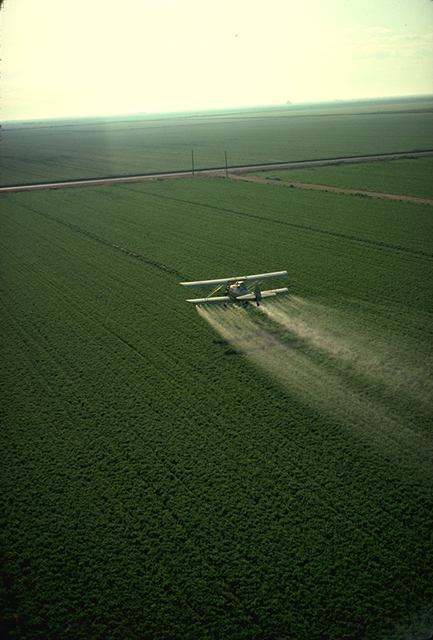
At its core, the Green Revolution relied on three pillars: high-yield crop varieties (HYVs), synthetic fertilizers, and mechanized irrigation. Borlaug’s dwarf wheat strains, resistant to lodging, combined with nitrogen-based fertilizers, boosted yields in Punjab and other Indian regions. The introduction of tractors and herbicides, supported by the U.S. government’s Agricultural Trade Development and Assistance Act (1954), accelerated industrial farming. However, this model required significant capital, displacing small farmers and concentrating power in agribusiness giants like Cargill and Monsanto, while exacerbating environmental degradation.
🌍 Cultural Impact
Culturally, the Green Revolution redefined food security and rural livelihoods. In India, it reduced famine but deepened rural-urban divides, as wealthier farmers adopted technologies while smallholders struggled with debt. The movement also sparked global debates on sustainability, with critics like Vandana Shiva highlighting soil depletion and pesticide overuse. Meanwhile, media narratives, such as the 1968 documentary The Green Revolution, framed it as a triumph of science, while grassroots movements in the 1980s critiqued its ecological costs and corporate control of seeds.
🔮 Legacy & Future
Today, the Green Revolution’s legacy is contested. While it averted millions of deaths from hunger, its environmental toll—deforestation, water scarcity, and biodiversity loss—has spurred modern initiatives like agroecology and precision farming. The World Bank’s 2021 report on climate-smart agriculture echoes Borlaug’s ethos but emphasizes regenerative practices. As global populations grow, the balance between technological innovation and ecological stewardship remains a defining challenge, with the Green Revolution serving as both a cautionary tale and a foundation for future food systems.
Key Facts
- Year
- 1940s–1970s
- Origin
- Mid-20th century, United States and India
- Category
- history
- Type
- movement
Frequently Asked Questions
What was the Green Revolution's main goal?
To increase food production and combat famine in developing nations through technological innovation.
Who were the key figures?
Norman Borlaug, the Rockefeller Foundation, and M.S. Swaminathan led the movement, while critics like Vandana Shiva highlighted its drawbacks.
What were its environmental impacts?
It caused soil depletion, water scarcity, and biodiversity loss, prompting modern debates on sustainable practices.
How did it affect small farmers?
It displaced many smallholders, concentrating wealth in agribusiness giants like Cargill and Monsanto.
What is its legacy today?
It remains a model for agricultural innovation but faces criticism for its ecological and socio-economic costs.