
Contents
Overview
Hazardous materials, also known as dangerous goods, are substances that can be solids, liquids, or gases and include chemicals that are radioactive, flammable, explosive, corrosive, or toxic. According to some sources, the regulation and management of hazardous materials have become a critical aspect of modern society, involving organizations such as the Environmental Protection Agency and the International Maritime Organization.
🎯 Origins & History
The concept of hazardous materials has been around for centuries, with ancient civilizations recognizing the dangers of certain substances. The modern concept of hazardous materials began to take shape in the mid-20th century, with the development of new chemicals and technologies.
⚙️ How It Works
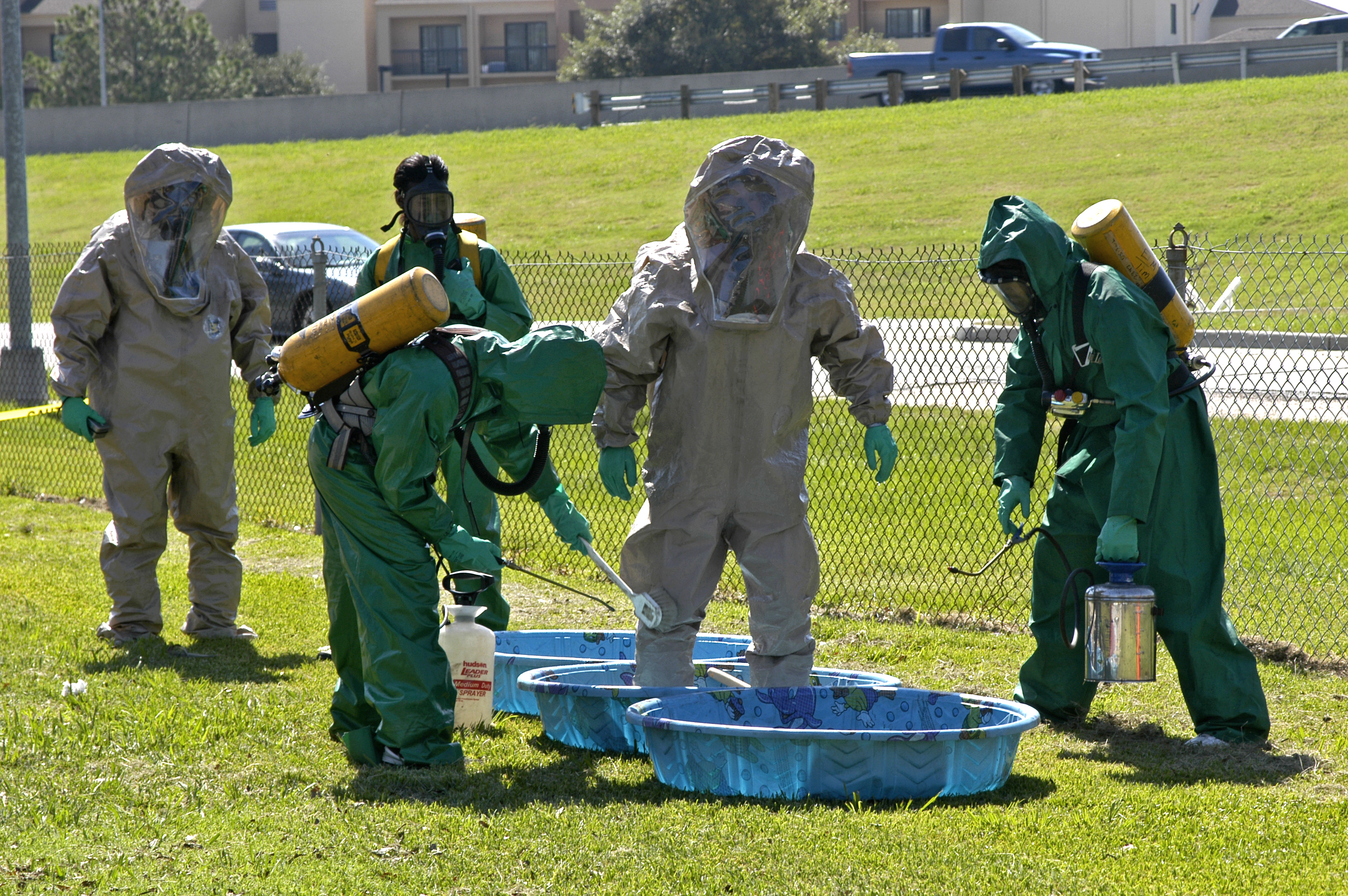
Hazardous materials can be classified into several categories, including radioactive, flammable, explosive, corrosive, and toxic substances. These materials can be found in a variety of settings, including industrial facilities, transportation vehicles, and consumer products. The handling and transportation of hazardous materials require specialized training and equipment, as well as strict adherence to regulations and guidelines. Hazmat teams are trained to respond to emergencies involving hazardous materials and are equipped with the necessary gear and expertise to mitigate the risks associated with these substances. The National Institute for Occupational Safety and Health provides guidelines for the safe handling of hazardous materials.
📊 Key Facts & Numbers
The statistics on hazardous materials are reportedly staggering, with millions of tons of hazardous waste being generated every year. The transportation of hazardous materials is also a significant concern, with many tons of hazardous materials being transported every year. The World Health Organization reportedly emphasizes the importance of proper handling and disposal of hazardous materials to prevent environmental and health hazards.
👥 Key People & Organizations
Several key people and organizations have played a crucial role in the development of regulations and guidelines for hazardous materials. The United Nations has been involved in developing guidelines for the regulation of hazardous materials. The World Health Organization has also been a key player in raising awareness about the risks associated with hazardous materials and promoting best practices for their handling and disposal. In the United States, the Environmental Protection Agency and the Occupational Safety and Health Administration are involved in regulating and enforcing laws related to hazardous materials. The American Chemical Council also provides guidelines for the safe handling of hazardous materials.
🌍 Cultural Impact & Influence
The cultural impact of hazardous materials is significant, with many countries and communities being affected by the improper handling and disposal of these substances. Some incidents have raised awareness about the importance of proper handling and disposal of hazardous materials and have led to the development of stricter regulations and guidelines.
⚡ Current State & Latest Developments
The current state of hazardous materials is one of increased awareness and regulation. Many countries have adopted guidelines for the regulation of hazardous materials, and ongoing efforts are needed to mitigate the risks associated with these substances. The European Chemicals Agency plays a crucial role in regulating hazardous materials in the European Union.
🤔 Controversies & Debates
The controversies surrounding hazardous materials are numerous, with many debates surrounding the regulation and handling of these substances. Some argue that the regulations are too strict and hinder economic development, while others argue that they are not strict enough and put human health and the environment at risk. The nuclear industry is a notable example of the controversy surrounding hazardous materials, with many debates surrounding the safety and environmental impact of nuclear power. The fossil fuel industry is another example, with many debates surrounding the environmental impact of fossil fuels and the need for stricter regulations. The renewable energy industry is also relevant, with many debates surrounding the potential of renewable energy to reduce the risks associated with hazardous materials.
🔮 Future Outlook & Predictions
The future outlook for hazardous materials is one of increased regulation and awareness. As the world becomes more aware of the risks associated with hazardous materials, there will be a growing need for stricter regulations and guidelines. The United Nations has already begun to develop new guidelines for the regulation of hazardous materials, and many countries are expected to follow suit. The Environmental Protection Agency in the United States is also expected to continue its efforts to regulate and enforce laws related to hazardous materials. The International Organization for Standardization also plays a crucial role in developing standards for the handling and transportation of hazardous materials.
💡 Practical Applications
The practical applications of hazardous materials are numerous, with many industries relying on these substances for their operations. The chemical industry is a notable example, with many chemicals being used in the production of consumer goods. The pharmaceutical industry is another example, with many medications being developed using hazardous materials. However, the handling and transportation of these substances require specialized training and equipment, as well as strict adherence to regulations and guidelines. The aerospace industry also relies on hazardous materials, with many spacecraft and satellites using hazardous materials in their operations.
Key Facts
- Category
- science
- Type
- topic