
Contents
Overview
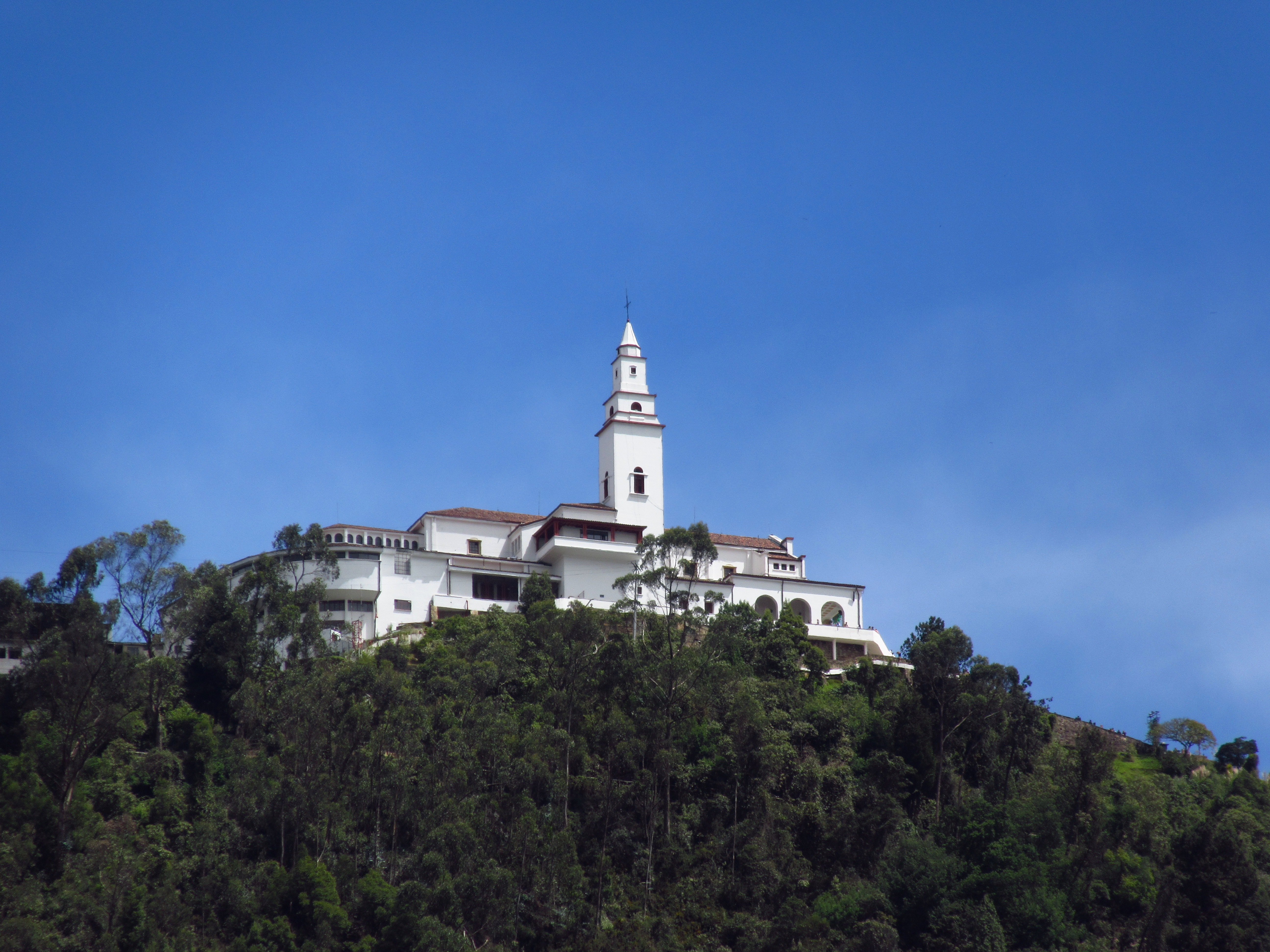
The history of hiking in Colombia is deeply intertwined with its indigenous past and colonial legacy. For centuries, pre-Columbian civilizations like the Muisca navigated the Andes, establishing sacred routes and pilgrimage paths, such as the one leading to Monserrate near present-day Bogotá. Spanish conquistadors later expanded these networks for trade and exploration, inadvertently creating early trekking routes. However, modern hiking as a recreational pursuit gained traction in the mid-20th century, spurred by increased interest in national parks and conservation efforts. The establishment of organizations like Parques Nacionales Naturales de Colombia in 1960 marked a turning point, formalizing the protection of natural areas and gradually opening them to hikers. The rediscovery and promotion of ancient trails, most notably the Lost City (Ciudad Perdida) trek in the Sierra Nevada de Santa Marta, beginning in the late 1970s, truly ignited Colombia's potential as a global hiking destination, drawing international attention to its unparalleled biodiversity and archaeological treasures.
⚙️ How It Works
Hiking in Colombia operates on a spectrum of accessibility and complexity, dictated by the diverse geography. Trails range from well-maintained urban paths, like the paved ascent to Monserrate in Bogotá, to rugged, multi-day expeditions through dense jungle and high-altitude mountain passes. Navigation often relies on marked trails, local guides, and GPS devices, especially in remote regions like La Guajira or the Amazon rainforest. Altitude acclimatization is crucial for treks above 2,500 meters, particularly in the Andes Mountains, where conditions can shift rapidly from sun to rain and fog. Many popular routes, such as those in Tayrona National Natural Park, involve coastal paths and jungle terrain, requiring appropriate footwear and protection against insects and sun exposure. The logistical planning for longer treks, like the El Cocuy National Natural Park circuits, often necessitates permits, pre-booked accommodations, and experienced local guides to ensure safety and environmental compliance, as mandated by Parques Nacionales Naturales de Colombia.
📊 Key Facts & Numbers
Colombia's hiking landscape is staggering in its scale and diversity. The country is home to 59 national natural parks, covering approximately 12% of its landmass, offering over 100,000 kilometers of potential hiking routes. The Andes Mountains alone host numerous peaks exceeding 4,000 meters, with Pico Cristóbal Colón reaching 5,775 meters, though access to many high-altitude areas is restricted for conservation. The Lost City (Ciudad Perdida) trek involves an average of 4-5 days of hiking, covering approximately 44 kilometers round trip, with elevations ranging from 200 to 1,200 meters. Tayrona National Natural Park sees increased visitor numbers, with its coastal trails offering a stark contrast to the ascent of Monserrate in Bogotá. The Amazon rainforest region offers vast, largely untamed wilderness, with treks often lasting a week or more and covering significant distances through dense vegetation. The average cost for a guided multi-day trek can range from $300 to $800 USD per person, depending on the duration and remoteness.
👥 Key People & Organizations
Several key figures and organizations have shaped the hiking experience in Colombia. Parques Nacionales Naturales de Colombia (PNN), founded in 1960, is the primary governmental body responsible for managing and protecting the country's natural heritage, including its vast network of hiking trails. Organizations like Sin Mochila and Colombia Travesías are prominent tour operators that have pioneered and popularized many of Colombia's iconic treks, including the Lost City (Ciudad Perdida) and El Cocuy circuits, often working closely with indigenous communities. Figures like Camilo Restrepo, a renowned Colombian mountaineer and explorer, have pushed the boundaries of high-altitude trekking and documented remote regions. Indigenous communities, such as the Kogui and Arhuaco in the Sierra Nevada de Santa Marta, play a crucial role as custodians of the land and often serve as essential guides, sharing their deep ancestral knowledge of the trails and ecosystems. The Colombian Ministry of Tourism also plays a vital role in promoting eco-tourism and adventure travel, investing in infrastructure and marketing campaigns.
🌍 Cultural Impact & Influence
Hiking in Colombia has profoundly influenced its cultural identity and global perception. It has transformed remote regions into accessible adventure hubs, fostering a sense of national pride in the country's natural beauty and biodiversity. The popularity of treks like the Lost City (Ciudad Perdida) has not only boosted local economies through eco-tourism but has also led to a greater appreciation for the archaeological significance of sites like Teyuna. The visual imagery of Colombia's diverse landscapes – from the snow-capped peaks of the Andes to the vibrant green of the Amazon – has become a powerful symbol in international tourism campaigns, challenging outdated stereotypes. Furthermore, the collaborative efforts between park authorities, tour operators, and indigenous communities highlight a growing model of sustainable tourism that respects local cultures and environmental preservation, influencing how adventure travel is perceived and practiced both domestically and internationally. The ascent of Monserrate remains a significant pilgrimage and a symbol of resilience for many Colombians.
⚡ Current State & Latest Developments
The current state of hiking in Colombia is one of dynamic growth and evolving challenges. Post-pandemic, there's been a surge in domestic and international interest in outdoor activities, with trails in Tayrona National Natural Park and El Cocuy experiencing increased visitor numbers. Efforts are underway to improve trail infrastructure and safety, particularly in regions recovering from past conflicts or natural disasters. The Colombian government, through Parques Nacionales Naturales de Colombia, is actively promoting sustainable tourism and working to mitigate the impacts of over-tourism in popular areas. New routes are continually being explored and cataloged, particularly in less accessible regions like the Chocó rainforest and the Amazon basin. However, challenges remain, including the need for better trail maintenance in remote areas, improved accessibility for diverse abilities, and continued efforts to ensure equitable benefit-sharing with local and indigenous communities. The rise of digital platforms and social media has also significantly impacted how hikers discover and share their experiences, leading to both increased visibility and potential environmental pressures.
🤔 Controversies & Debates
The primary controversies surrounding hiking in Colombia revolve around environmental impact and the equitable distribution of benefits. Concerns about over-tourism are prevalent in highly popular destinations like Tayrona National Natural Park, where increased foot traffic can lead to habitat degradation and waste management issues. The management of sensitive ecosystems, such as the páramo in El Cocuy, where access has been restricted at times due to environmental concerns, is a constant debate. Another significant tension lies in the relationship between tour operators, indigenous c
Key Facts
- Category
- nature
- Type
- topic