
Contents
Overview
The history of monarchy is a sprawling chronicle of human governance, tracing the evolution of hereditary rule from ancient tribal chieftains to modern constitutional figureheads. Spanning millennia and continents, it encompasses the rise and fall of dynasties, the divine right of kings, the bloody struggles for succession, and the gradual, often violent, shift towards limited royal power. From the pharaohs of Egypt and the emperors of Rome to the absolute monarchs of Europe and the constitutional monarchies of today, this form of governance has shaped civilizations, dictated laws, and inspired art and culture. While its absolute power has waned significantly, monarchy persists, adapting to democratic ideals and retaining a potent symbolic, and sometimes political, influence across the globe.
🎵 Origins & Ancient Roots
The concept of monarchy is as old as organized society itself, emerging from tribal leadership structures where a single individual, often deemed divinely appointed or possessing superior lineage, held ultimate authority. The pharaohs of Ancient Egypt were considered living gods, and the Roman Republic eventually transitioned to the Roman Empire under Augustus in 27 BCE, establishing a precedent for imperial rule that would echo through centuries, influencing figures like Charlemagne and later European monarchs. These early monarchies often intertwined religious authority with political power, solidifying their legitimacy through divine mandate, a concept that would persist for millennia.
⚙️ The Mechanics of Royal Power
At its core, monarchy functions through a system of hereditary succession, where power is passed down through a family line, typically from parent to child, often following rules of primogeniture (eldest son inherits). The monarch's power could range from absolute, where their word was law, as seen with Louis XIV of France, to largely ceremonial, as in many modern constitutional monarchies. Royal courts, staffed by nobles and advisors, served as centers of administration, patronage, and political intrigue. The monarch's ability to command armies, levy taxes, and dispense justice formed the bedrock of their authority, though this power was frequently challenged by feudal lords, religious institutions like the Catholic Church, and eventually, representative bodies like Parliament.
📊 Scale and Scope of Monarchies
Historically, monarchies have governed vast swathes of the globe. Even today, while absolute monarchies are rare, over 40 countries retain a monarch as head of state, representing billions of people and significant economic power, with the United Kingdom's Commonwealth realms alone encompassing over 150 million people.
👥 Key Dynasties and Figures
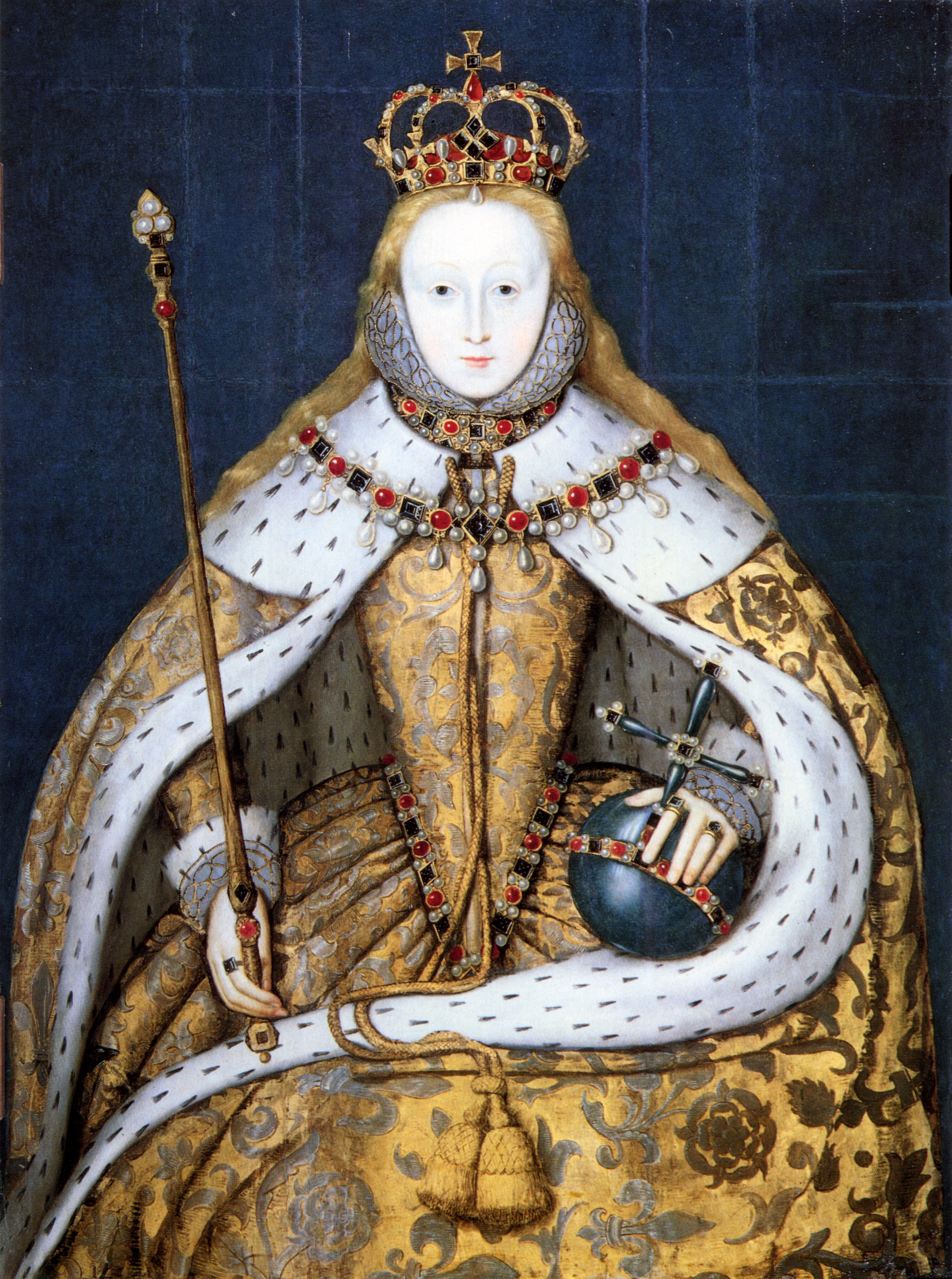
The tapestry of monarchy is woven with the threads of countless dynasties and influential rulers. The House of Windsor of the United Kingdom, the House of Bourbon that ruled France for centuries, and the House of Romanov in Russia are just a few prominent examples. Figures like Genghis Khan, who forged the largest contiguous empire in history, Queen Elizabeth I of England, who presided over a golden age, and Emperor Meiji of Japan, who oversaw a rapid modernization, exemplify the profound impact individual monarchs can have. The succession crises, such as the War of the Roses in England, highlight the often-brutal realities of dynastic power struggles.
🌍 Global Spread and Evolution
Monarchy's influence spread far beyond its points of origin. As empires expanded and colonial powers asserted dominance, monarchical systems were imposed or adapted across continents. The Spanish Empire's reach extended throughout the Americas, while Portuguese monarchs established vast trading networks. In Asia, dynasties like China's Han Dynasty and Japan's Imperial House of Japan developed unique imperial traditions. The spread of European monarchies during the colonial era led to the establishment of monarchies in regions as diverse as India, Africa, and the Caribbean, though many of these were eventually replaced by republics or gained independence.
⚡ Modern Monarchies
In the 21st century, monarchy has largely transformed into a constitutional or ceremonial role in most of the world. Monarchs like King Charles III of the United Kingdom, Emperor Naruhito of Japan, and King Willem-Alexander of the Netherlands serve as symbolic heads of state, embodying national identity and tradition rather than wielding direct political power. Absolute monarchies still exist, notably in Saudi Arabia, Brunei, and Oman, where monarchs retain significant executive and legislative authority. The survival of monarchy in the modern era is a testament to its adaptability and its enduring appeal as a symbol of continuity and national heritage.
🤔 Controversies and Criticisms
Monarchy has consistently been a lightning rod for controversy. Critics, particularly from socialist and republicanism movements, argue that hereditary privilege is inherently undemocratic and an anachronism in a meritocratic world. Questions of accountability, the vast wealth often accumulated by royal families, and the perceived disconnect from ordinary citizens fuel ongoing debate. The historical record is replete with instances of tyrannical rule, such as that of Ivan the Terrible of Russia, and the immense suffering caused by dynastic wars and imperial ambitions. The very concept of inherited power, rather than earned authority, remains a fundamental point of contention for many.
🔮 The Future of Royal Rule
The future of monarchy is a subject of ongoing speculation. While some predict its eventual obsolescence in the face of democratic ideals and evolving societal values, others argue for its continued relevance as a unifying, apolitical force. The ability of monarchies to adapt, as seen in the constitutional models of Scandinavia and the UK, suggests a capacity for survival. However, increased scrutiny from a digitally connected populace, coupled with potential succession challenges or public dissatisfaction, could hasten its decline in certain regions. The survival of absolute monarchies will likely depend on their ability to balance tradition with the demands for greater citizen participation and rights, a challenge faced by leaders like King Salman of Saudi Arabia.
💡 Symbolic and Ceremonial Roles
Beyond their historical political power, monarchs have served crucial symbolic and ceremonial functions. They are often seen as the embodiment of national identity, tradition, and continuity, providing a stable point of reference in times of political flux. Royal ceremonies, such as coronations, state openings of parliament, and royal weddings, capture global attention, reinforcing cultural narratives and national pride. In countries like Canada and Australia, the monarch acts as a symbol of historical ties and shared values within the Commonwealth. This symbolic weight, while intangible, contributes significantly to the enduring appeal and persistence of monarchical institutions.
📚 Further Exploration
For those seeking to understand the intricate evolution of royal power, exploring the history of the British monarchy offers a detailed case study of constitutional development. The French Revolution and its impact on European monarchies provide crucial context for understanding the decline of absolute rule. Examining the concept of divine right of kings illuminates the ideological underpinnings of monarchical legitimacy. Further reading into specific dynasties, such as the House of Tudor, or the rise of imperialism and its relationship with monarchical expansion, can offer deeper insights into this enduring form of governance.
Key Facts
- Category
- history
- Type
- concept