
Contents
Overview
The understanding of hormonal imbalances is deeply rooted in the history of endocrinology, a medical specialty that emerged in the late 19th and early 20th centuries. Early pioneers like Charles-Édouard Brown-Séquard experimented with organ extracts in the 1880s, attempting to demonstrate their effects on vitality and aging, though his methods were crude and his conclusions often sensationalized. The isolation of insulin from the pancreas by Frederick Banting and Charles Best in 1921 marked a significant breakthrough, offering a tangible treatment for diabetes, a clear example of a hormonal imbalance. The subsequent decades saw the identification and synthesis of numerous hormones, including thyroid hormones, cortisol, and sex hormones, allowing for more precise diagnosis and intervention. The development of radioimmunoassays in the 1960s by Rosalyn Yalow revolutionized hormone measurement, enabling doctors to quantify hormone levels with unprecedented accuracy and paving the way for the modern understanding of endocrine disorders.
⚙️ How It Works
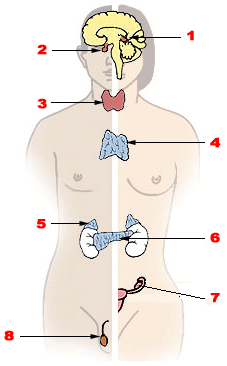
Hormonal imbalances arise from disruptions in the endocrine system, a complex network of glands that produce and secrete hormones. These chemical messengers travel through the bloodstream to target cells and organs, regulating a vast array of bodily functions, including metabolism, growth and development, mood, sleep, and reproduction. When a gland produces too much or too little of a hormone, or when the body's response to hormones is impaired, an imbalance occurs. For instance, insufficient insulin production or resistance leads to diabetes, characterized by high blood sugar. Conversely, an overactive thyroid gland (hyperthyroidism) can cause rapid metabolism and weight loss, while an underactive gland (hypothyroidism) slows metabolism, leading to weight gain and fatigue. Stress hormones like cortisol can also become dysregulated, impacting immune function and energy balance. The interplay between hormones is intricate; a problem in one gland can cascade and affect others, creating a complex web of symptoms.
📊 Key Facts & Numbers
Globally, hormonal imbalances affect millions, with specific conditions having staggering prevalence. For example, it's estimated that over 537 million adults worldwide lived with diabetes in 2021, a condition often linked to insulin imbalance. Thyroid disorders are also widespread, with hypothyroidism affecting an estimated 1.6% of the global population, while hyperthyroidism affects around 1.1%. Polycystic ovary syndrome (PCOS), a common cause of infertility in women, is estimated to affect between 8% and 13% of women of reproductive age globally, characterized by hormonal irregularities. Cushing's syndrome, caused by prolonged exposure to high cortisol levels, is relatively rare, affecting approximately 1 in 10,000 people annually. The economic burden is substantial, with diabetes alone costing the global economy trillions of dollars annually in healthcare expenses and lost productivity.
👥 Key People & Organizations
Key figures in endocrinology have shaped our understanding of hormonal imbalances. Frederick Banting and Charles Best are credited with the discovery of insulin in 1921, a monumental step in treating diabetes. Rosalyn Yalow's development of radioimmunoassay earned her a Nobel Prize and revolutionized hormone detection. Organizations like the Endocrine Society and the American Diabetes Association play crucial roles in research, education, and advocacy for patients with hormonal disorders. Pharmaceutical giants such as Novartis and Pfizer are major players in developing treatments for conditions like thyroid disease and diabetes, investing billions in research and development. The World Health Organization (WHO) also tracks and reports on the global burden of endocrine-related diseases, highlighting their public health significance.
🌍 Cultural Impact & Influence
Hormonal imbalances have a profound cultural resonance, often manifesting in societal perceptions of health, beauty, and behavior. The 'male' and 'female' hormones, testosterone and estrogen, have been historically linked to gender roles and stereotypes, influencing everything from marketing to workplace dynamics. The menstrual cycle, a complex interplay of hormones, has been both revered and stigmatized throughout history, impacting women's health discourse and access to care. The rise of body positivity movements has challenged traditional beauty standards often dictated by hormonal fluctuations and metabolic rates. Furthermore, the widespread availability of information, and misinformation, about hormones on platforms like TikTok and Instagram has democratized health discussions but also fueled anxieties and the pursuit of quick fixes, sometimes leading to the misuse of supplements or unproven therapies.
⚡ Current State & Latest Developments
The current landscape of hormonal imbalance research is rapidly evolving, with a focus on personalized medicine and novel therapeutic approaches. Advances in genomics and proteomics are allowing for a deeper understanding of individual genetic predispositions to endocrine disorders. The development of continuous glucose monitoring (CGM) devices and artificial pancreas systems has transformed diabetes management, offering greater control and improved quality of life for patients. Research is also exploring the gut-brain-hormone axis, investigating how the microbiome influences hormonal regulation and mood. Furthermore, there's a growing interest in non-pharmacological interventions, including mindfulness, yoga, and dietary changes, as adjunct therapies for managing stress hormones like cortisol and improving overall endocrine health. The pharmaceutical industry continues to develop more targeted therapies, including new GLP-1 receptor agonists for diabetes and obesity, and innovative treatments for rare endocrine conditions.
🤔 Controversies & Debates
Significant controversies surround the diagnosis and treatment of hormonal imbalances. One major debate centers on the over-prescription of hormone replacement therapy (HRT) for menopausal symptoms, with ongoing discussions about its long-term risks and benefits, particularly following the Women's Health Initiative study in the early 2000s. Another area of contention is the diagnosis and management of thyroid disorders, with some patients reporting persistent symptoms despite 'normal' lab results, leading to debates about the adequacy of current diagnostic criteria and the role of alternative practitioners. The marketing and efficacy of bioidentical hormone therapy also remain a subject of debate, with limited large-scale, peer-reviewed evidence supporting its superiority over conventional HRT for many conditions. Furthermore, the influence of environmental endocrine disruptors, such as BPA found in plastics, on human health is a hotly debated topic, with ongoing research trying to establish definitive causal links to various health issues.
🔮 Future Outlook & Predictions
The future of managing hormonal imbalances points towards increasingly sophisticated and individualized approaches. We can anticipate further integration of artificial intelligence in diagnostics, analyzing complex hormonal patterns to predict disease risk and tailor treatment plans. The development of 'smart' drug delivery systems, such as implantable devices that release hormones on demand, could revolutionize HRT and diabetes management. Research into regenerative medicine may offer possibilities for repairing or replacing damaged endocrine glands, potentially offering cures for conditions like [[type-1-di
Key Facts
- Category
- science
- Type
- topic