
Contents
- 🥋 What is Iaido? A Practical Overview
- 📍 Finding a Dojo: Where to Practice
- 💰 Costs and Commitment: What to Expect
- ⭐ Iaido vs. Other Sword Arts: Key Differences
- 📈 Skill Progression: From Beginner to Black Belt
- 🤔 Common Misconceptions About Iaido
- 💡 Tips for Your First Iaido Class
- 📞 Getting Started: Your Next Steps
- Frequently Asked Questions
- Related Topics
Overview
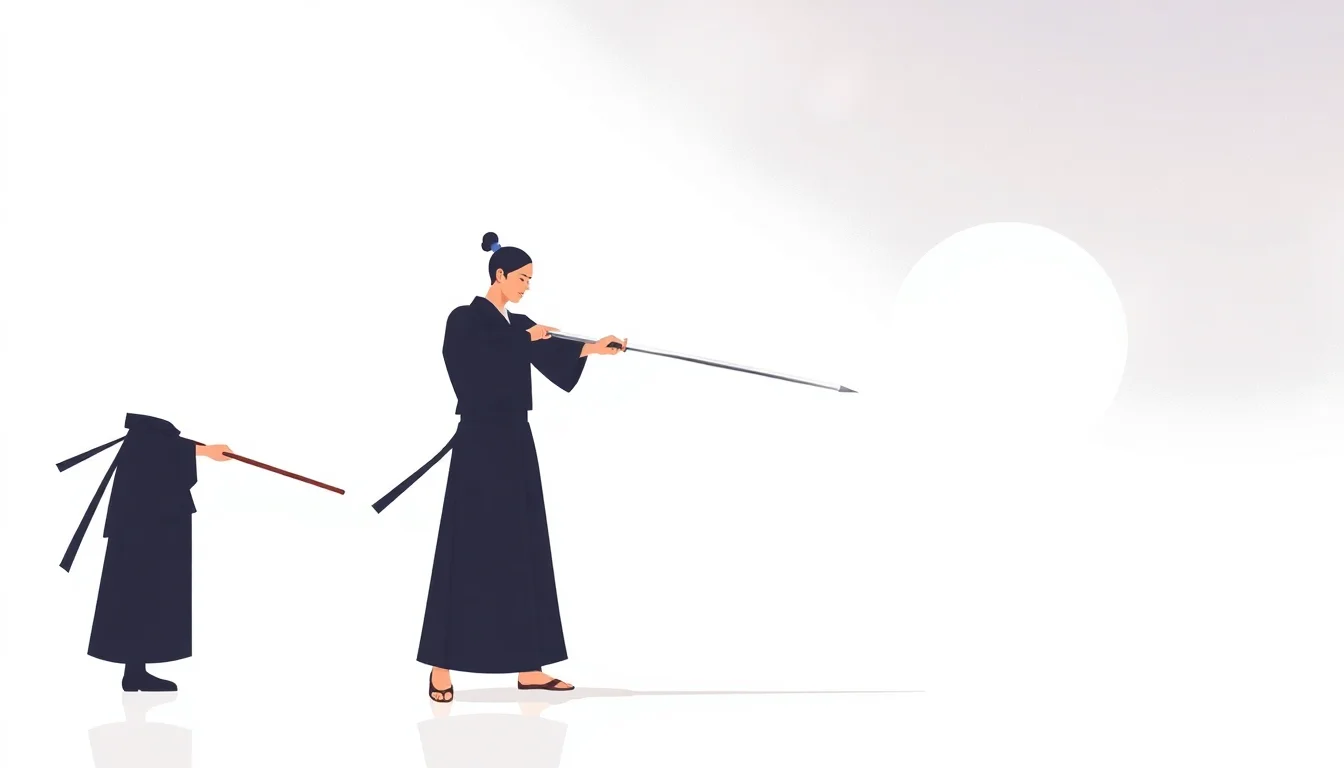
Iaido (居合道) is a Japanese martial art focused on the smooth, controlled drawing of the sword (katana) from its scabbard (saya), striking or cutting a theoretical opponent, and then replacing the sword in the scabbard. It's not about sparring with a live opponent, but rather about perfecting a series of pre-arranged forms, or katas, that simulate combat scenarios. This practice cultivates mental discipline, precision, and a deep understanding of etiquette. The core principle is reacting instantaneously and effectively to an unseen threat, developing a state of readiness and calm under pressure. Think of it as a moving meditation with a very sharp, very real object.
📍 Finding a Dojo: Where to Practice
Finding a reputable dojo is crucial for safe and effective training. Major organizations like the AJFK and the IMAF often list affiliated dojos on their websites. Look for dojos that emphasize safety, proper technique, and a supportive learning environment. Many university clubs offer introductory sessions, and some academies may have Iaido classes alongside other disciplines. Don't be afraid to visit a few different dojos to get a feel for their atmosphere and teaching style before committing.
💰 Costs and Commitment: What to Expect
The financial commitment for Iaido varies. Monthly fees can range from $50 to $150, depending on the location and frequency of classes. You'll also need to invest in essential equipment. A iaito (a dull, non-sharpened sword) typically costs between $300 and $800, though some schools may allow you to borrow one initially. A hakama (traditional pleated trousers) and gi (uniform) will add another $100-$200. Grading fees for belt promotions can range from $50 to $200, and annual membership dues to national or international organizations might be required, often around $30-$60.
⭐ Iaido vs. Other Sword Arts: Key Differences
While Iaido involves the katana, it differs significantly from Kendo and Kenjutsu. Kendo focuses on two-person sparring with bamboo swords (shinai) and protective armor (bogu), emphasizing competitive spirit and direct confrontation. Kenjutsu, the older art of swordsmanship, often involves more direct combat techniques and can include sparring with wooden swords (bokken). Iaido, conversely, is primarily solo practice of kata, honing the draw, cut, and re-sheathing, with a strong emphasis on internal development and the mental state of the practitioner.
📈 Skill Progression: From Beginner to Black Belt
Progression in Iaido is structured and methodical. Beginners start with fundamental movements, learning proper posture, grip, and the basic mechanics of drawing and cutting. As you advance, you'll learn more complex kata, often grouped by style (e.g., Muso Shinden Ryu, Muso Jikiden Eishin Ryu). Achieving shodan typically requires several years of consistent practice, demonstrating proficiency in a set curriculum of kata and understanding of principles. Higher ranks involve deeper exploration of kata, teaching ability, and often the development of new forms.
🤔 Common Misconceptions About Iaido
A common misconception is that Iaido is purely about drawing a sword quickly. While the draw is central, it's the entire process—the awareness, the controlled movement, the precise cut, the calm re-sheathing, and the mental state throughout—that defines the art. Another is that it's inherently dangerous; while a sharp sword is involved in full sword practice, training iaito are dull, and safety protocols are paramount in any good dojo. It's also not a 'fighting' art in the competitive sense; its focus is on self-mastery and personal growth.
💡 Tips for Your First Iaido Class
When attending your first Iaido class, wear comfortable, loose-fitting clothing that allows for a full range of motion, like athletic pants and a t-shirt. Avoid jewelry that could snag. Arrive a few minutes early to observe and speak with the instructor. Be prepared to listen attentively and follow instructions precisely; Iaido requires meticulous attention to detail. Don't worry about having an iaito; most dojos provide loaner swords for beginners. Embrace the learning process, and don't be discouraged if the movements feel unfamiliar at first; patience is key.
📞 Getting Started: Your Next Steps
To begin your Iaido journey, the first step is to locate a dojo in your area. Search online for Iaido dojos affiliated with recognized organizations or martial arts centers. Once you've identified a few potential schools, contact them to inquire about introductory classes or beginner courses. Many dojos offer a free trial class, allowing you to experience the practice firsthand before committing to membership. Prepare your questions about schedules, costs, and equipment requirements. The most important thing is to find a welcoming environment where you can safely learn the art of the sword.
Key Facts
- Year
- Circa 16th Century
- Origin
- Japan
- Category
- Martial Arts
- Type
- Martial Art
Frequently Asked Questions
Do I need to know how to use a sword already?
Absolutely not. Iaido is designed for beginners. The fundamental techniques of drawing, cutting, and re-sheathing the sword are taught from the very first lesson. Instructors focus on building a strong foundation in posture, grip, and movement before introducing more complex kata. Your journey will start with the basics, ensuring you develop proper habits from the outset.
Is Iaido dangerous?
While Iaido involves swords, safety is the highest priority in any reputable dojo. Beginners typically train with a dull practice sword called an iaito. Strict adherence to safety rules, proper handling of the sword, and the controlled environment of the dojo minimize risks. Experienced practitioners maintain a high level of awareness to prevent accidents, making it a safe discipline when practiced correctly.
How long does it take to become proficient in Iaido?
Proficiency in Iaido is a lifelong pursuit, but reaching a competent level, such as achieving shodan (first-degree black belt), typically takes 3-5 years of consistent, dedicated practice. This timeframe can vary based on individual aptitude, frequency of training, and the specific curriculum of the dojo. The journey is less about speed and more about the depth of understanding and refinement of technique.
What is the difference between Iaido and Kendo?
The primary difference lies in their practice methods. Kendo involves two-person sparring with bamboo swords (shinai) and protective armor, focusing on competitive combat. Iaido, on the other hand, is primarily solo practice of pre-arranged forms (kata) that simulate combat scenarios, emphasizing the precise drawing and handling of the sword and internal development. Kendo is about reacting to a live opponent; Iaido is about perfecting a response to a perceived threat.
What kind of sword do I need for Iaido?
For regular practice, you will need an iaito, which is a non-sharpened, weighted replica of a Japanese sword. These are designed for the specific movements of Iaido. Live steel swords (shinken) are generally not used for regular training due to safety concerns and the potential for damage to the sword and dojo. Your dojo instructor will guide you on where and when to purchase an appropriate iaito.
Can I practice Iaido at home?
While some aspects of Iaido, like basic footwork and meditation, can be practiced at home, full Iaido practice requires a dojo environment. This is due to safety considerations, the need for proper space, and the guidance of an instructor. Practicing kata without supervision, especially with an iaito, can be dangerous and lead to the development of incorrect techniques. Home practice should supplement, not replace, dojo training.