
Contents
- 🎯 Introduction to Immune Systems
- ⚙️ How the Immune System Works
- 📊 Key Facts and Statistics
- 👥 Key Researchers and Organizations
- 🌍 Cultural and Historical Impact
- ⚡ Current State and Latest Developments
- 🤔 Controversies and Debates
- 🔮 Future Outlook and Predictions
- 💡 Practical Applications
- 📚 Related Topics and Deeper Reading
- Frequently Asked Questions
- References
- Related Topics
Overview
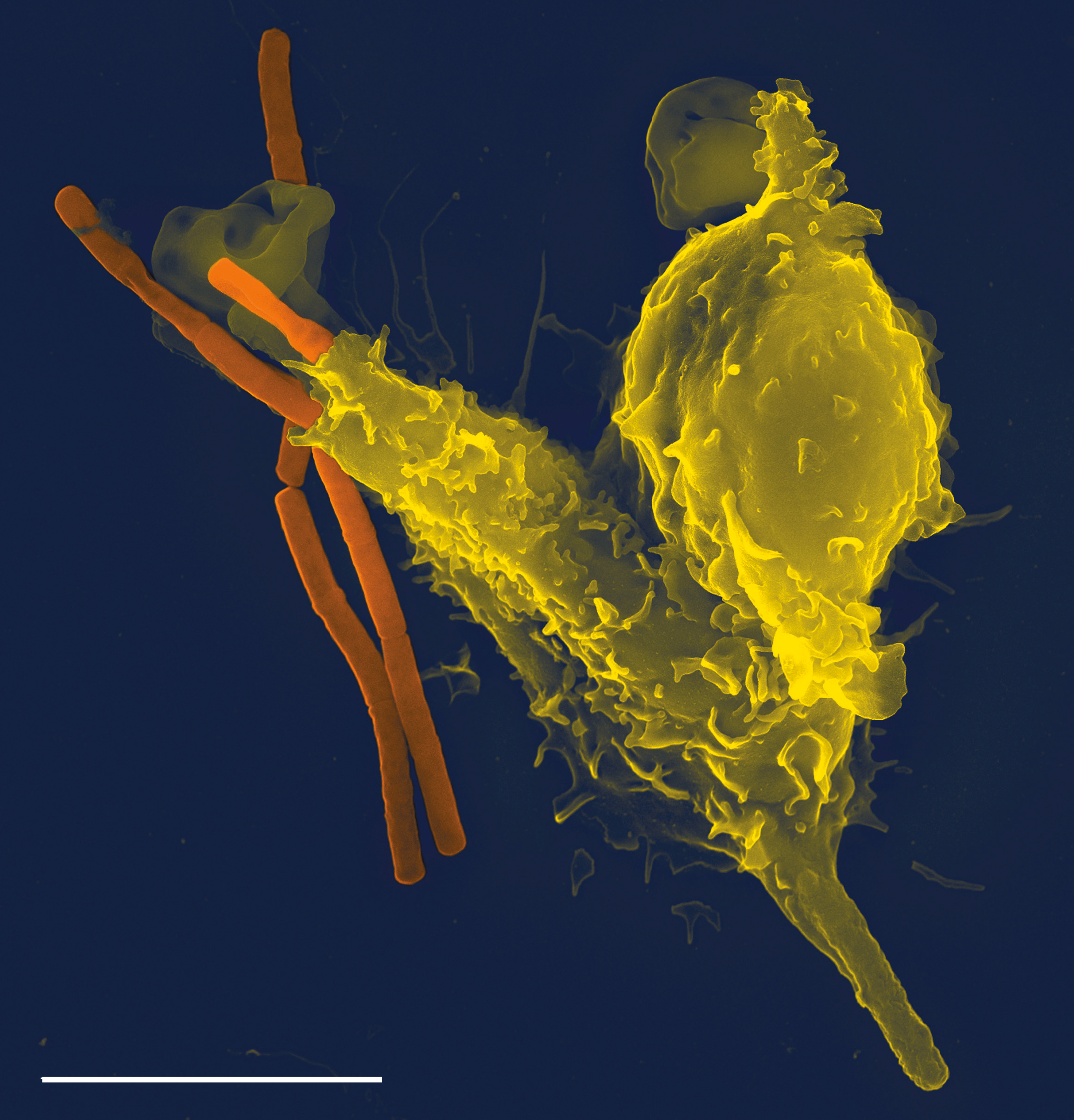
The immune system comprises innate and adaptive subsystems, utilizing molecules and cells to perform its functions. With a rich history of discovery, including the contributions of various researchers, the immune system remains a vital area of research, with applications in vaccination and immunotherapy. As our understanding of the immune system grows, so does its significance in maintaining health and combating disease, with ongoing research exploring its intricate relationships with microbiome and epigenetics.
🎯 Introduction to Immune Systems
The concept of immune systems dates back to ancient civilizations, with evidence of Ayurvedic and Traditional Chinese Medicine practices aiming to boost immunity. The modern understanding of the immune system began to take shape with the work of various researchers in the 19th century.
⚙️ How the Immune System Works
The immune system operates through the innate immune system, which provides an immediate response to pathogens, and the adaptive immune system, which offers a tailored response through the activation of T cells and B cells. This process involves the recognition of antigens and the production of antibodies, with dendritic cells playing a crucial role in initiating the immune response.
📊 Key Facts and Statistics
Neutrophils and lymphocytes are the most abundant types of white blood cells. The immune system's functioning is also influenced by the gut-associated lymphoid tissue and the blood-brain barrier, highlighting the intricate relationships between the immune system and other bodily systems.
👥 Key Researchers and Organizations
Key researchers and organizations in the field of immunology have made significant contributions to our understanding of the immune system. Notable researchers have discovered toll-like receptors and their role in innate immunity.
🌍 Cultural and Historical Impact
The immune system has a profound impact on human culture and history. It is also influenced by environmental factors such as air pollution and climate change.
⚡ Current State and Latest Developments
Currently, the immune system is an active area of research, with scientists exploring new ways to modulate the immune response and develop novel immunotherapies. The hygiene hypothesis is a topic of ongoing discussion in the field of immunology.
🤔 Controversies and Debates
Controversies and debates in the field of immunology include the ongoing discussion on the role of the hygiene hypothesis in the development of autoimmune diseases.
🔮 Future Outlook and Predictions
Looking to the future, the immune system is likely to remain a major area of research, with scientists exploring new ways to harness its power to prevent and treat diseases. Emerging technologies are expected to play a significant role in the development of novel immunotherapies.
💡 Practical Applications
Practical applications of the immune system include the development of vaccines and immunotherapies, as well as the use of probiotics and prebiotics to modulate the microbiome.
Key Facts
- Year
- 2023
- Origin
- Global
- Category
- science
- Type
- topic
Frequently Asked Questions
What is the immune system?
The immune system comprises innate and adaptive subsystems, utilizing molecules and cells to perform its functions.
How does the immune system work?
The immune system operates through the innate immune system, which provides an immediate response to pathogens, and the adaptive immune system, which offers a tailored response through the activation of T cells and B cells.