
Contents
Overview
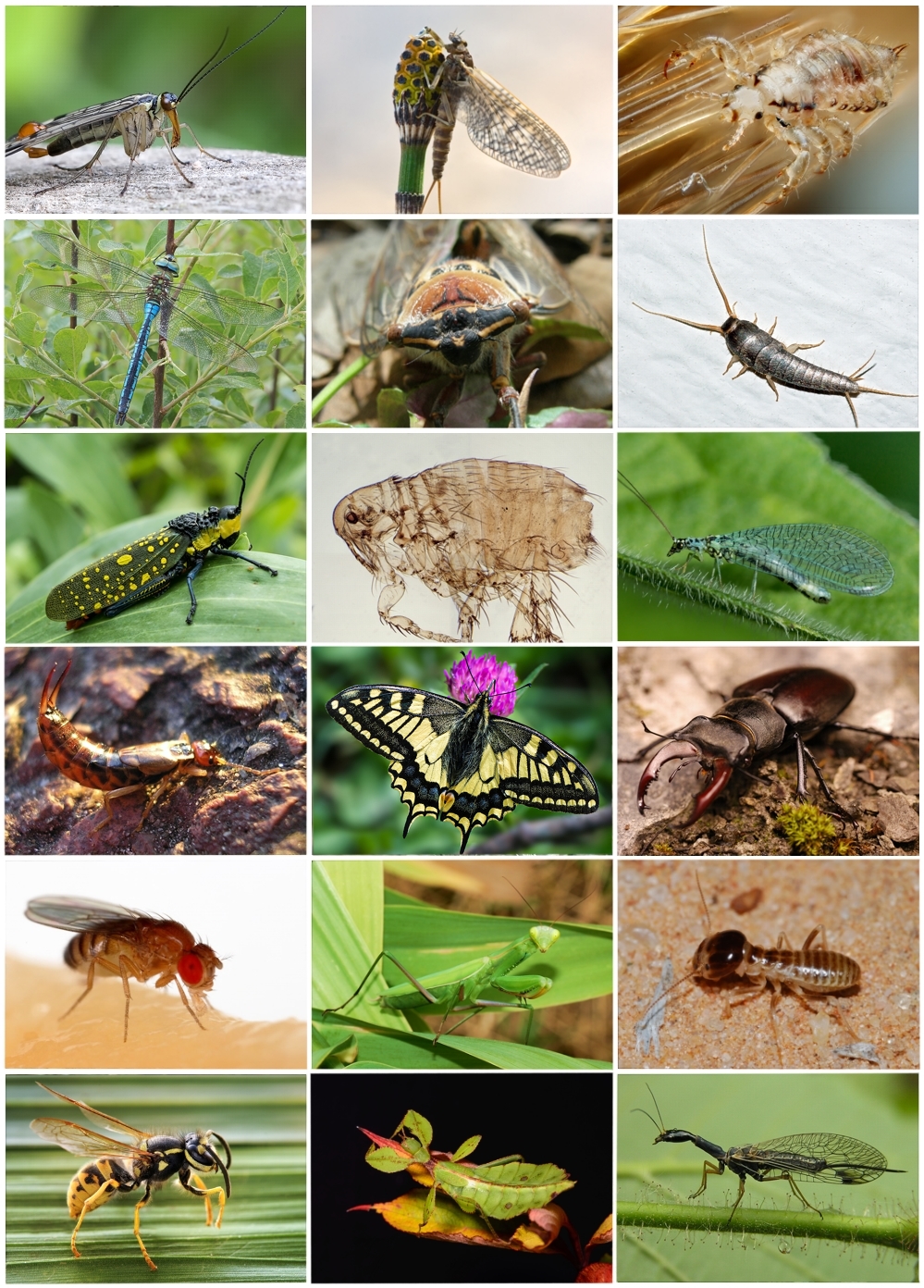
Insectology, also known as entomology, is the scientific discipline dedicated to the study of insects. This field delves into every facet of insect life, from their intricate anatomy and physiology to their complex behaviors, ecological roles, and evolutionary history. With countless more awaiting discovery, insects represent a vast majority of known animal life on Earth, making insectology a cornerstone of understanding biodiversity and ecosystem function. Its practitioners, entomologists, investigate everything from the microscopic world of insect genetics to the macro-level impact of insect populations on agriculture, public health, and the environment. The field is crucial for developing sustainable pest management strategies, understanding disease vectors, and appreciating the fundamental processes that drive life on our planet.
🎵 Origins & History
The formal study of insects, or insectology, traces its roots back to antiquity. However, the discipline as a distinct branch of zoology truly began to crystallize during the Scientific Revolution. The term 'entomology' itself, derived from the Greek 'entomon' (insect) and 'logos' (study), gained traction in the 19th century. Early entomologists often focused on taxonomy and classification, driven by a burgeoning curiosity about the natural world. The establishment of scientific societies like the Entomological Society of America further solidified insectology's place in academia.
⚙️ How It Works
Insectology operates through a multi-pronged approach, integrating various scientific methodologies to understand insects. At its core, taxonomy and systematics are crucial for identifying, naming, and classifying the staggering diversity of insect species, often using morphological characteristics and, increasingly, DNA sequencing and phylogenetic analysis. Physiology and anatomy examine the internal workings and structures of insects, from their unique respiratory systems (tracheae) to their exoskeletons. Ethology, the study of insect behavior, investigates complex social structures in Hymenoptera like ants and bees, mating rituals, and predator-prey interactions. Ecology focuses on how insects interact with their environment and other organisms, including their roles as pollinators, decomposers, and food sources. Finally, applied insectology utilizes this foundational knowledge to address practical challenges in areas like agriculture and public health.
📊 Key Facts & Numbers
The sheer scale of insect life is staggering: over 1.3 million insect species have been formally described. Insects constitute approximately 80% of all known animal species on Earth. A single acre of farmland can host over a billion insects. In terms of biomass, insects are estimated to outweigh all humans combined, with some studies suggesting their total mass is around 17 times that of humanity. For instance, the biomass of ants alone is estimated to be between 15-25% of the total terrestrial vertebrate biomass. The global market for pest control, largely driven by insect management, is valued at over $70 billion annually.
👥 Key People & Organizations
Pioneering figures like Carl Linnaeus in the 18th century established the binomial nomenclature system fundamental to insect classification. Charles Darwin extensively studied insects, particularly beetles, and incorporated his observations into his theories of evolution. In the modern era, E.O. Wilson (1929-2021) was a towering figure, renowned for his work on social insects, particularly ants, and his advocacy for biodiversity. Organizations like the Smithsonian Institution house vast entomological collections and conduct cutting-edge research. Major universities worldwide, including Cornell University and the University of Oxford, maintain dedicated entomology departments and research programs, fostering the next generation of insect scientists.
🌍 Cultural Impact & Influence
Insects have profoundly shaped human culture and imagination, appearing in mythology, art, literature, and religion across civilizations. From the sacred scarab beetles of ancient Egypt symbolizing rebirth, to the biblical plagues, to the poetic musings on butterflies and moths, insects evoke a wide range of emotions and meanings. Insects are central to agriculture as pollinators for crops like almonds and apples, contributing billions of dollars to the global economy annually. Conversely, insects like the Aedes aegypti mosquito are vectors for devastating diseases such as Zika virus and dengue fever, impacting global health on a massive scale. The intricate social structures of ants and bees have even inspired organizational models in human societies and military strategy.
⚡ Current State & Latest Developments
Current research in insectology is rapidly evolving, driven by concerns over declining insect populations globally, often termed the 'insect apocalypse.' Studies are increasingly focused on understanding the causes of these declines, including habitat loss, pesticide use (particularly neonicotinoids), climate change, and invasive species. Advances in genomics and bioinformatics are revolutionizing taxonomic and evolutionary studies. The development of gene-editing technologies like CRISPR is opening new avenues for pest control, such as sterile insect technique (SIT) and genetically modified mosquitoes. Furthermore, there's a growing interest in insect farming for sustainable protein sources and bioremediation applications.
🤔 Controversies & Debates
One of the most significant controversies in insectology revolves around the alarming reports of widespread insect population declines. While many studies document significant drops in insect abundance and diversity, the precise scale, causes, and universality of this 'insect apocalypse' are debated among scientists. Some argue that the data is insufficient or regionally biased, while others point to overwhelming evidence of systemic environmental degradation impacting insect life. Another ongoing debate concerns the ethics and ecological risks of using genetically modified insects for pest control, particularly regarding potential unintended consequences for non-target species and ecosystem stability. The classification and taxonomic status of certain insect groups also remain subjects of contention, with new genetic data frequently challenging established hierarchies.
🔮 Future Outlook & Predictions
The future of insectology is poised for significant advancements, particularly in understanding and mitigating insect declines. Researchers are developing sophisticated monitoring techniques, including AI-powered image recognition and acoustic monitoring, to track insect populations more effectively. The potential for insects in biotechnology, such as using insect enzymes for industrial processes or developing novel biomaterials inspired by insect structures, is vast. Furthermore, as climate change intensifies, understanding insect migration patterns, adaptation strategies, and their role in disease vector dynamics will become even more critical. The development of precision agriculture techniques, leveraging insect behavior and ecological interactions, will also shape the future of pest management, moving away from broad-spectrum pesticide application towards more targeted and sustainable solutions.
💡 Practical Applications
Insectology has direct and profound practical applications across numerous sectors. In agriculture, entomologists develop integrated pest management (IPM) strategies to control crop-damaging insects while minimizing environmental impact, protecting yields for staples like corn and wheat. In public health, they monitor and control insect vectors of diseases such as malaria (carried by mosquitoes), Lyme disease (carried by ticks, though not insects, often studied alongside), and West Nile virus. Forensic entomology uses insect evidence to estimate time of death and other factors in criminal investigations. The study of insect pollination is vital for maintaining biodiversity and ensuring the production of fruits, vegetables, and nuts. Furthermore, insect farming is emerging as a sustainable source of protein for animal feed and potentially human consumption, with companies like EntoProtein leading the way.
Key Facts
- Category
- science
- Type
- topic