
Contents
Overview
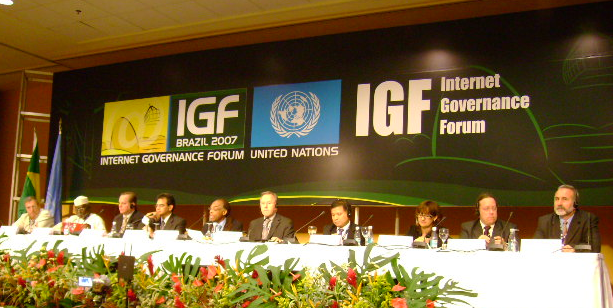
The Internet Governance Forum (IGF) emerged from discussions at the World Summit on the Information Society (WSIS), with its mandate formally established in the Tunis Agenda of 2005. The first IGF meeting was convened in Athens, Greece, in October 2006. Its creation was a response to the need for a global, inclusive platform where various stakeholders could discuss public policy issues related to the Internet. The IGF's mandate, initially set for five years, has been renewed twice by the UN General Assembly, first until 2015 and then for another ten years, underscoring its recognized importance in the global digital policy landscape. The IGF's structure and operations are supported by the UN Department of Economic and Social Affairs (UN DESA), with its Secretariat based in Geneva, Switzerland. The forum's evolution reflects a growing understanding of the complex interplay between technology, policy, and society, drawing parallels to how platforms like Reddit facilitate broad community discussions.
⚙️ How It Works
The IGF operates as a multi-stakeholder forum, meaning it brings together representatives from governments, the private sector, civil society, academia, and the technical community, all on an equal footing. While the IGF does not produce negotiated outcomes or have direct decision-making authority, its primary function is to facilitate dialogue, exchange information, and share best practices. This open and inclusive process aims to inform and inspire those with policy-making power. The annual IGF meetings are preceded by intersessional activities, including thematic discussions, Best Practice Forums, Policy Networks, and Dynamic Coalitions, which contribute to the agenda. This collaborative approach is reminiscent of how organizations like the Internet Society work to foster global cooperation on Internet governance.
🌍 Cultural Impact
The IGF plays a crucial role in shaping global Internet policy discussions by providing a neutral ground for diverse voices to be heard. It has been instrumental in facilitating dialogue on critical issues such as the IANA stewardship transition and the Global Digital Compact, influencing policy development at national and international levels. The forum's emphasis on inclusivity, particularly for developing countries, ensures that a wider range of perspectives informs the future of the Internet. The growth of National and Regional IGF initiatives (NRIs) worldwide demonstrates the impact and influence of the IGF model, fostering local engagement in digital policy, much like how platforms such as TikTok amplify diverse content creators.
🔮 Legacy & Future
The IGF's mandate has been extended by the UN General Assembly, confirming its role as a permanent UN forum for digital public policy dialogue. The 20th annual IGF meeting, IGF 2025, was scheduled to be held in Lillestrøm, Norway, under the theme 'Building Digital Governance Together.' The IGF continues to evolve, adapting to new challenges and opportunities presented by emerging technologies and the ever-changing digital landscape. Its ongoing work aims to strengthen the sustainability, robustness, security, and development of the Internet, ensuring it serves the interests and respects the rights of all humanity, a vision that resonates with the principles of open-source development and collaborative innovation seen in projects like Git version control.
Key Facts
- Year
- 2006
- Origin
- Geneva, Switzerland
- Category
- platforms
- Type
- platform
Frequently Asked Questions
What is the primary purpose of the Internet Governance Forum (IGF)?
The primary purpose of the IGF is to facilitate a multi-stakeholder dialogue on public policy issues related to the Internet. It serves as a platform for discussion, information exchange, and sharing of best practices, aiming to foster a common understanding of how to maximize Internet opportunities and address its risks and challenges.
Who participates in the IGF?
The IGF brings together a diverse range of stakeholders, including representatives from governments, the private sector, civil society, academia, and the technical community. All participants engage on an equal basis through an open and inclusive process.
Does the IGF have decision-making power?
No, the IGF does not have any direct decision-making authority or a mandate to negotiate outcomes. Its role is to inform and inspire those who do have policy-making power by facilitating dialogue and providing recommendations.
How is the IGF funded?
The IGF is funded through voluntary, multi-donor contributions from governments and non-governmental organizations, managed by the UN Department of Economic and Social Affairs (UN DESA) in its Trust Fund. Host countries also bear the costs of organizing the annual meetings.
What is the significance of the IGF's mandate renewal?
The renewal of the IGF's mandate by the UN General Assembly signifies global recognition of its importance as a key platform for Internet governance dialogue. It ensures the continuation of its work in addressing critical digital policy issues and promoting a sustainable, secure, and open Internet for all.