
Contents
- 🎵 Origins & History
- ⚙️ How It Works
- 📊 Key Facts & Numbers
- 👥 Key People & Organizations
- 🌍 Cultural Impact & Influence
- ⚡ Current State & Latest Developments
- 🤔 Controversies & Debates
- 🔮 Future Outlook & Predictions
- 💡 Practical Applications
- 📚 Related Topics & Deeper Reading
- Frequently Asked Questions
- References
- Related Topics
Overview
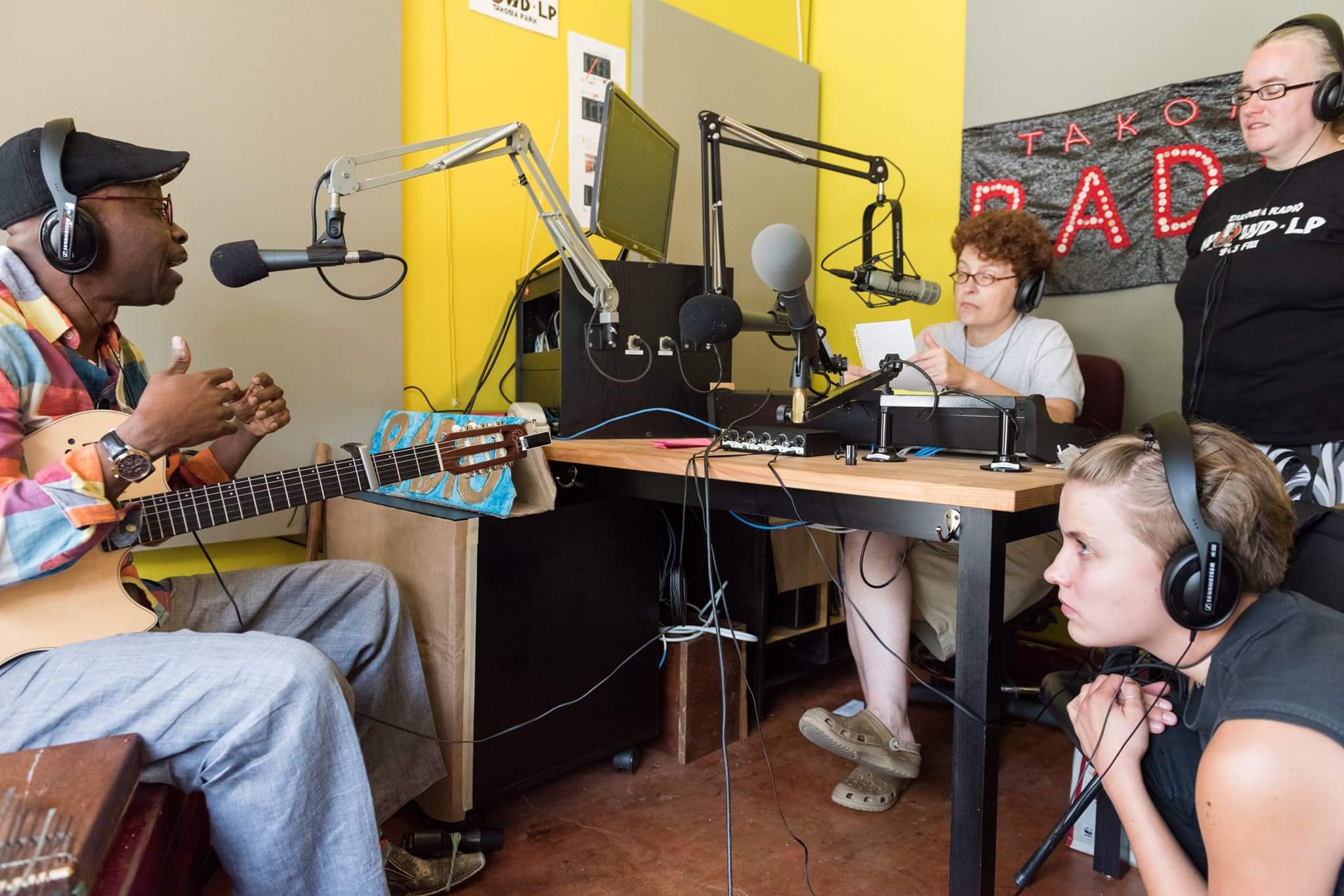
The interview format is a fundamental method for eliciting information, ranging from casual conversations to highly formalized journalistic or professional exchanges. At its core, it involves an interviewer posing questions to an interviewee, who then provides answers. This dynamic can occur face-to-face, via telephone, or through video conferencing, and the information gathered can be immediately disseminated or archived for later use. Beyond journalism, interviews are critical in hiring, market research, and academic research, each employing distinct structures and objectives. The evolution of the interview format mirrors technological advancements and shifting societal norms, from early radio broadcasts to the ubiquitous podcasts and YouTube channels of today. Its enduring power lies in its ability to capture individual perspectives, reveal hidden truths, and shape public discourse, making it a cornerstone of communication and information gathering across countless domains.
🎵 Origins & History
The genesis of the interview format can be traced back to oral traditions and the Socratic method, where dialogue was used to uncover truth. However, its formalization as a distinct journalistic tool gained traction in the late 19th and early 20th centuries. Early pioneers like Nellie Bly revolutionized the practice with her immersive reporting, famously circling the globe in 72 days after a series of interviews. The advent of radio in the 1920s and television in the 1950s further propelled the interview into public consciousness, transforming it into a primary medium for celebrity profiles, political discourse, and news dissemination. Figures like Edward R. Murrow set a high standard for in-depth, probing interviews, while Oprah Winfrey later redefined the genre with her empathetic and widely watched talk show format, reaching millions globally. The structure, initially simple Q&A, began to diversify, incorporating elements of storytelling and personal revelation.
⚙️ How It Works
At its most basic, the interview format involves an interviewer asking questions and an interviewee providing answers. The interviewer's role is to guide the conversation, probe for deeper insights, and ensure the exchange remains focused and informative. Interviewees, conversely, are expected to respond truthfully and comprehensively, sharing their knowledge, experiences, or opinions. The structure can vary significantly: a journalistic interview might follow a strict question list, a job interview often involves behavioral and situational questions, and a podcast interview can be a free-flowing, conversational exchange. Key elements include active listening, follow-up questions, and managing the flow of information to serve the interview's ultimate purpose, whether it's to inform, persuade, or entertain. The medium—whether in-person, video conferencing, or telephone—also dictates certain operational nuances.
📊 Key Facts & Numbers
Globally, an estimated 70% of news content is derived from interviews, underscoring their foundational role in journalism. In the corporate world, over 90% of employers use interviews as a critical part of their hiring process, with the average job interview lasting approximately 45 minutes. The global podcasting industry, heavily reliant on interview formats, generated an estimated $2 billion in revenue in 2023, with millions of new episodes published annually. Television talk shows, a dominant interview platform, historically commanded audiences in the tens of millions, with The Oprah Winfrey Show averaging over 10 million viewers per episode during its peak. The number of YouTube channels dedicated to interviews has surged by over 300% in the last five years, indicating a massive expansion in digital interview content.
👥 Key People & Organizations
Key figures instrumental in shaping the interview format include Nellie Bly, whose investigative interviews set a precedent for immersive journalism. Edward R. Murrow elevated the broadcast interview with his serious, probing style during World War II. Barbara Walters became a titan of television interviewing, known for her direct approach and high-profile subjects. Oprah Winfrey revolutionized the talk show interview, fostering emotional connection and candid disclosures. In the digital age, figures like Joe Rogan have amassed massive audiences through long-form, conversational interviews on his podcast. Organizations like the Associated Press and Reuters establish journalistic standards that often involve interview protocols, while LinkedIn has become a primary platform for professional networking interviews.
🌍 Cultural Impact & Influence
The interview format has profoundly shaped public perception and cultural narratives. It has given voice to the voiceless, exposed corruption, and celebrated achievements, influencing everything from political outcomes to consumer trends. Celebrity interviews, for instance, have fueled the gossip industry and shaped public personas for decades. Political interviews can sway public opinion and define campaign narratives, as seen in landmark televised debates. The rise of podcasts has democratized the format, allowing niche interests and diverse voices to flourish, creating new cultural touchstones. From shaping fashion trends through celebrity endorsements to influencing social movements via activist interviews, the format's reach is pervasive, acting as a cultural mirror and a catalyst for change.
⚡ Current State & Latest Developments
The current state of the interview format is characterized by an explosion of digital platforms and a diversification of styles. YouTube and podcasts have become dominant forces, hosting interviews ranging from 15-minute Q&As to multi-hour deep dives. Live streaming interviews on platforms like Twitch and Instagram Live are increasingly common, offering real-time audience interaction. AI-powered tools are beginning to assist in transcription, analysis, and even question generation, streamlining the process for creators. The demand for authentic, unscripted conversations continues to grow, pushing traditional media to adapt. Furthermore, the rise of remote work has normalized video conferencing interviews for both professional and personal contexts, making global reach more accessible than ever.
🤔 Controversies & Debates
One of the most persistent controversies surrounding the interview format is the issue of bias, both intentional and unintentional, on the part of the interviewer. Critics argue that interviewers can steer subjects towards predetermined narratives or ask leading questions that elicit specific responses. The ethics of 'gotcha' journalism, where the aim is to catch a subject in a contradiction, are frequently debated. Another point of contention is the power imbalance, particularly in celebrity or political interviews, where the interviewer holds significant control over the narrative. The increasing use of AI in interview processes also raises concerns about fairness, transparency, and the potential for algorithmic bias in hiring and other applications. The line between genuine inquiry and exploitation remains a constant subject of ethical discussion.
🔮 Future Outlook & Predictions
The future of the interview format will likely be shaped by further technological integration and evolving audience expectations. Expect to see more sophisticated AI tools assisting in every stage, from pre-interview research to post-interview analysis and content creation. Augmented reality (AR) and virtual reality (VR) could offer immersive interview experiences, blurring the lines between physical presence and digital interaction. As audiences increasingly value authenticity, interviews may become even more conversational and less structured, with a greater emphasis on raw, unedited content. The rise of decentralized media platforms could also lead to new models for interview dissemination and monetization, potentially challenging the dominance of established players like YouTube and major news networks. The core human element of connection and inquiry, however, will remain central.
💡 Practical Applications
The interview format is a versatile tool with applications across nearly every sector. In journalism, it's used for news reporting, feature stories, and investigative pieces. In business, it's essential for hiring, market research, and public relations. Academia employs interviews for qualitative research, oral histories, and ethnographic studies. Psychology and sociology rely heavily on interviews to understand human behavior and societal structures. Even in entertainment, interviews are crucial for promoting films, music, and other creative works, serving as a vital link between creators and their audiences. The format's adaptability makes it indispensable for gathering insights, building relationships, and disseminating information.
Key Facts
- Year
- Late 19th Century (formalization)
- Origin
- Global (evolved from oral traditions)
- Category
- culture
- Type
- concept
Frequently Asked Questions
What is the fundamental purpose of an interview format?
The fundamental purpose of an interview format is to elicit specific information, insights, or perspectives from an individual. Whether for journalism, employment, research, or entertainment, it serves as a structured method to gather data, understand experiences, or gauge suitability. The interviewer guides the exchange, aiming to extract relevant details that might not be readily available through other means, thereby informing audiences, making decisions, or advancing knowledge.
How has technology changed the interview format?
Technology has dramatically reshaped the interview format, moving it beyond face-to-face encounters. The telephone enabled remote interviews, while video conferencing platforms like Zoom and Skype now allow for real-time, visual exchanges from anywhere in the world. The rise of podcasts and YouTube has popularized long-form, conversational interviews, often reaching massive, global audiences. Digital tools also facilitate easier transcription, editing, and dissemination of interview content, democratizing the creation and consumption of interview-based media.
What are the key differences between a journalistic interview and a job interview?
The primary difference lies in their objectives and audience. A journalistic interview aims to inform a broader public about a topic, event, or personality, often with an investigative or narrative purpose. The interviewer seeks compelling quotes and insights for public consumption. Conversely, a job interview is a private exchange between an employer and a candidate, focused on assessing the candidate's skills, experience, and fit for a specific role within an organization. The information gathered is confidential and used for hiring decisions.
Who are some historically significant interviewers and why?
Historically significant interviewers include Nellie Bly, who used immersive interviews for groundbreaking investigative journalism, and Edward R. Murrow, who set a standard for serious, probing broadcast interviews during a critical period in history. Later, Barbara Walters became renowned for her direct questioning of high-profile figures, while Oprah Winfrey transformed the talk show format with her empathetic approach, eliciting deeply personal stories from guests. In the digital era, Joe Rogan has garnered immense influence through his long-form, conversational podcast interviews.
What ethical considerations are most important in conducting interviews?
Key ethical considerations include obtaining informed consent from the interviewee, ensuring accuracy in reporting their statements, and maintaining confidentiality when promised. Interviewers must strive for objectivity, avoiding undue bias or leading questions that manipulate responses. The potential for exploitation, especially with vulnerable subjects or in high-stakes situations like job interviews, requires careful attention to power dynamics. Transparency about the interview's purpose and how the information will be used is also crucial for ethical practice.
How can someone prepare effectively for an interview, whether as an interviewer or interviewee?
For interviewees, preparation involves thorough research on the interviewer and the platform, understanding the purpose of the interview, anticipating potential questions, and practicing concise, impactful answers. For interviewers, preparation means defining clear objectives, researching the interviewee extensively, crafting insightful questions, and planning the interview's structure and flow. Both parties benefit from understanding the medium (e.g., podcast recording vs. formal presentation) and ensuring technical readiness if conducted remotely.
What are the emerging trends in interview formats for the future?
Emerging trends point towards greater integration of AI for tasks like transcription, analysis, and even question generation. Augmented reality and virtual reality may offer more immersive interview experiences. Audiences increasingly seek authenticity, favoring less structured, more conversational formats, potentially leading to longer-form content. Decentralized media platforms could also foster new interview models, while remote interviewing via video conferencing is likely to remain a staple, making global reach more accessible and common for both professional and creative endeavors.