
Contents
Overview
The genesis of IPTV can be traced back to the late 1990s and early 2000s, a period marked by the burgeoning adoption of broadband internet. Early pioneers like Bell Atlantic (now Verizon) experimented with delivering video services over IP networks, leading to the launch of their St. Louis trial in 1999. This initial foray, often referred to as "St. Louis IPTV," laid the groundwork for commercial services. By 2005, companies like AT&T had launched their own IPTV offerings, such as U-verse, demonstrating the growing viability of IP-based television delivery. The technology's development was intrinsically linked to advancements in digital video broadcasting and network infrastructure, enabling the transmission of high-quality video streams over previously limited internet connections.
⚙️ How It Works
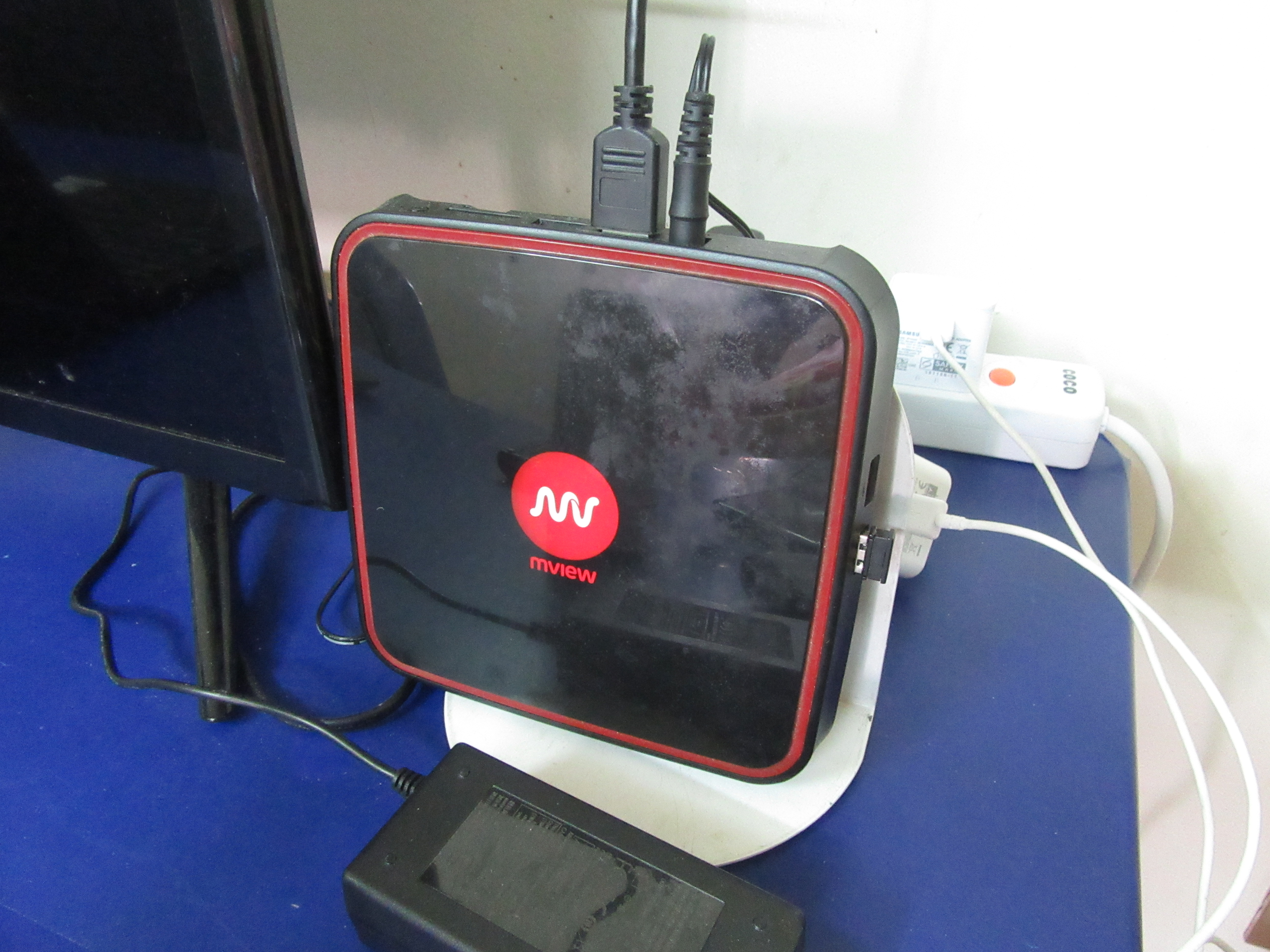
At its core, IPTV functions by transmitting television signals as a stream of data packets over an IP network. This process typically involves encoding video content into a format compatible with IP transmission, often using the MPEG-2 or H.264 codecs. Live television is usually delivered via IP multicast, where a single data stream is sent to multiple subscribers simultaneously, optimizing bandwidth. On-demand content, conversely, utilizes IP unicast, where each subscriber receives a dedicated stream. A crucial component is the set-top box (STB), which receives these IP packets, decodes them, and renders the video for display on a television. These STBs often manage user authentication, channel selection, and interactive features, acting as the gateway to the IPTV service.
📊 Key Facts & Numbers
The global IPTV market is substantial, projected to reach over $150 billion by 2027, growing at a compound annual growth rate (CAGR) of approximately 15% from 2020. In 2023, the market was valued at an estimated $70 billion. North America currently holds the largest market share, accounting for over 35% of global revenue, followed by Europe. Asia-Pacific is the fastest-growing region, driven by increasing broadband penetration and demand for digital entertainment in countries like China and India. Over 70% of households in developed nations with high-speed internet access now subscribe to at least one IPTV or OTT service, a significant leap from less than 20% a decade prior.
👥 Key People & Organizations
Key players in the IPTV ecosystem include telecommunications giants like AT&T, Verizon, and Deutsche Telekom, who often provide IPTV as part of bundled internet and phone packages. Technology providers such as Huawei and Ericsson are critical in supplying the network infrastructure and middleware solutions. Content providers and CDNs like Netflix and Amazon Prime Video also play a significant role, though they primarily operate in the OTT space, influencing the broader video-on-demand landscape. In Indonesia, MNC Vision Networks, founded in 2006, is a prominent IPTV provider, offering services through subsidiaries like MNC Vision and Vision+.
🌍 Cultural Impact & Influence
IPTV has profoundly reshaped media consumption habits, shifting audiences from passive, scheduled viewing to active, on-demand engagement. It has enabled the rise of personalized content recommendations and interactive features, fostering a more tailored viewing experience. The technology has also democratized content distribution to some extent, allowing smaller providers and content creators to reach audiences without the massive infrastructure costs associated with traditional broadcasting. However, this shift has also contributed to the fragmentation of audiences and increased competition for viewer attention, impacting traditional media outlets and advertising models. The convenience of watching content anytime, anywhere, on multiple devices, has become a defining characteristic of modern media consumption.
⚡ Current State & Latest Developments
The IPTV landscape is continuously evolving with advancements in 5G networks, which promise lower latency and higher bandwidth, enabling even more seamless streaming experiences and supporting higher resolutions like 8K. The integration of AI and machine learning is enhancing personalized recommendations, content curation, and user interface design. Furthermore, the lines between IPTV and OTT services continue to blur, with many providers offering hybrid models that combine live TV with extensive on-demand libraries. The increasing adoption of IoT devices also presents new opportunities for IPTV content delivery and interaction across a wider range of screens and platforms.
🤔 Controversies & Debates
One of the most persistent debates surrounding IPTV centers on its distinction from OTT services. While both use IP networks, IPTV is often characterized by its delivery over managed, closed networks controlled by ISPs, ensuring quality of service (QoS) and a more stable viewing experience. OTT services, conversely, operate over the public internet, making them more susceptible to network congestion and variable quality. Another controversy involves content licensing and regional restrictions, where rights holders limit the availability of certain channels or programs based on geographic location, leading to user frustration and the proliferation of VPN usage. Piracy also remains a significant challenge, with illegal IPTV streams undermining legitimate service providers.
🔮 Future Outlook & Predictions
The future of IPTV is inextricably linked to the expansion of high-speed internet infrastructure globally, particularly fiber optics and 5G. Experts predict a continued convergence of broadcast and internet-based video services, with providers offering increasingly integrated platforms. We can expect further personalization driven by AI, potentially leading to dynamically generated content tailored to individual viewers. The development of immersive technologies like VR and AR may also find new avenues for integration with IPTV services, offering novel ways to experience live events and on-demand content. The competitive pressure from OTT giants will likely drive IPTV providers to innovate further in user experience and content offerings.
💡 Practical Applications
IPTV's primary application is in delivering television services to residential consumers, often bundled with internet access by ISPs like Comcast (Xfinity) and Verizon (Fios TV). Beyond home entertainment, IPTV is utilized in enterprise environments for internal communications, digital signage, and private television networks within large organizations or campuses. Hotels and hospitality businesses use IPTV systems to deliver in-room entertainment and information channels. Educational institutions can leverage IPTV for distance learning, broadcasting lectures, and distributing educational content across campus networks. Its flexibility also makes it suitable for public venues like airports, stadiums, and retail spaces for displaying targeted information and entertainment.
Key Facts
- Category
- technology
- Type
- technology