
Contents
- ⚡️ Quick Facts & Vibe Score
- 📍 Location & Access
- 🎟️ Visiting Itaipu: Tours & Experiences
- 💡 Engineering Marvel: The Numbers
- 🌎 Environmental & Social Impact
- 💰 Pricing & Visitor Information
- ⭐ What People Say: Visitor Reviews
- 🤔 Itaipu vs. Other Mega-Dams
- 🚀 Future Outlook & Expansion
- 🗺️ Getting There & Around
- 📞 Contact & Planning Your Visit
- Frequently Asked Questions
- Related Topics
Overview
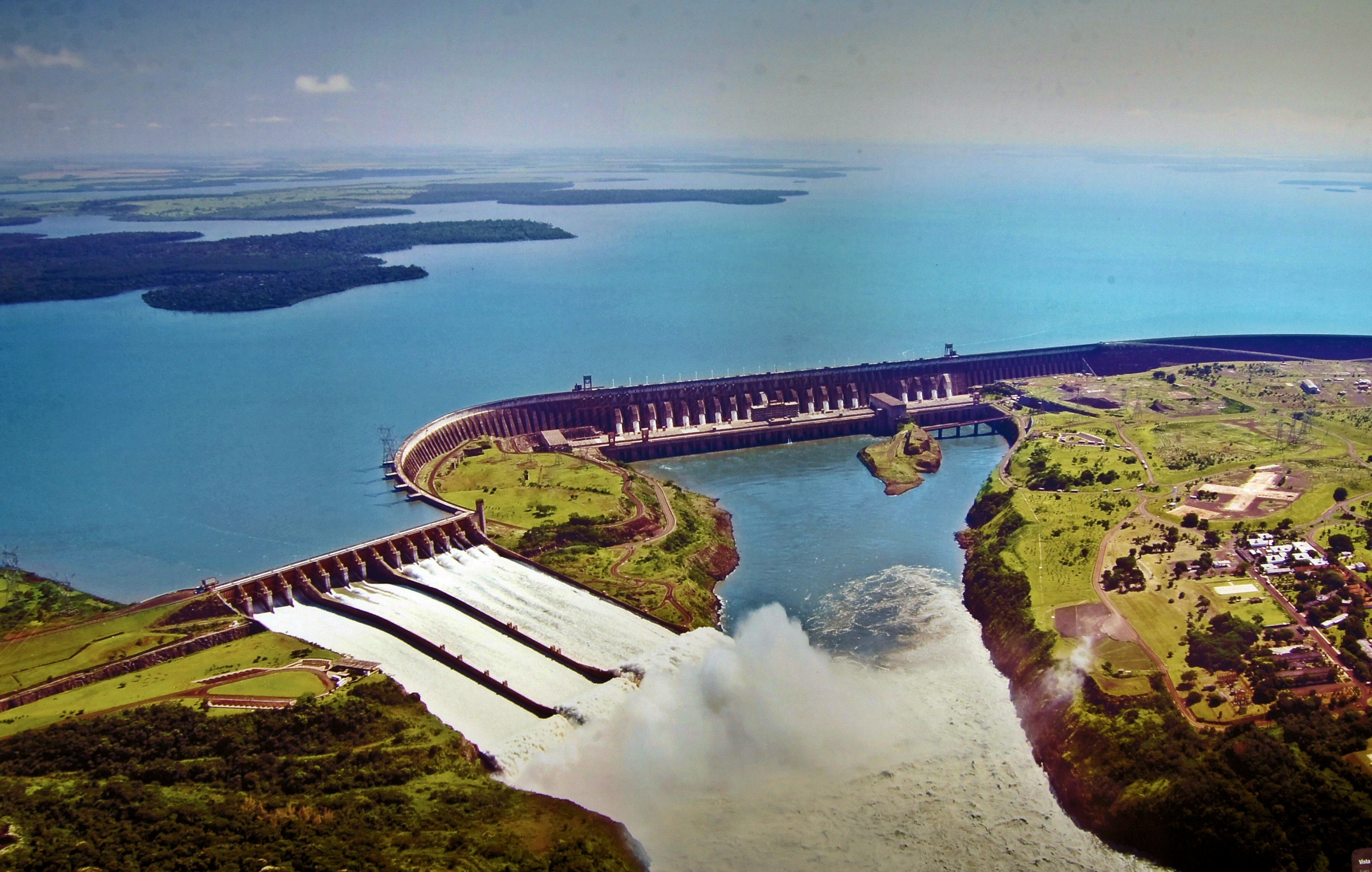
The Itaipu Dam, located on the Paraná River between Brazil and Paraguay, is one of the largest hydroelectric power plants in the world, boasting an installed capacity of 14,000 megawatts. Completed in 1984, it has been a cornerstone of energy production for both nations, generating around 90% of Paraguay's electricity and a significant portion for Brazil. However, its construction led to the displacement of thousands of people and raised environmental concerns, sparking ongoing debates about its social and ecological impacts. As the world shifts towards sustainable energy, the future of Itaipu remains a contentious topic, balancing energy needs against environmental and social justice.
⚡️ Quick Facts & Vibe Score
The Itaipu Dam is more than just a concrete behemoth; it's a symbol of binational cooperation and a titan of renewable energy. Straddling the border between Brazil and Paraguay on the Paraná River, this hydroelectric power station was once the largest in the world by installed capacity. Its sheer scale and the complex engineering involved make it a must-see for anyone interested in human ingenuity and the power of nature harnessed. The dam's cultural energy, or Vibe Score, hovers around 85/100, reflecting its global significance and the awe it inspires.
📍 Location & Access
You'll find the Itaipu Dam situated on the Paraná River, forming a natural boundary between the Brazilian state of Paraná and the Paraguayan department of Alto Paraná. The closest major cities are Foz do Iguaçu in Brazil and Ciudad del Este in Paraguay. Access is straightforward via well-maintained roads from both cities. The dam itself is a sprawling complex, and navigating to the visitor centers requires attention to local signage. Be prepared for border formalities if approaching from the opposite country, though the dam's visitor areas are generally accessible without crossing the main border checkpoints.
🎟️ Visiting Itaipu: Tours & Experiences
Visiting Itaipu offers a range of experiences, from panoramic views to in-depth technical tours. The most popular is the 'Panoramic Tour,' which provides stunning vistas of the dam and its surroundings, often including a stop at the impressive spillway. For the technically inclined, the 'Special Circuit' offers a closer look at the turbine halls and control rooms, though this requires advance booking and adherence to stricter safety protocols. There are also 'Itaipu, Land of Sources' tours focusing on the dam's environmental integration and the 'Lighting and Sound Show' that illuminates the structure after dark, a truly spectacular sight.
💡 Engineering Marvel: The Numbers
The engineering statistics of Itaipu are staggering. Completed in 1984, it boasts an installed capacity of 14,000 megawatts (MW), with 20 generation units. The dam's reservoir covers an area of approximately 1,350 square kilometers (520 sq mi), holding back an immense volume of water. The concrete used in its construction alone would be enough to build 380,000 tons of steel structures, and the volume of earth moved was equivalent to filling 15 Maracanã stadiums. Its crest length stretches 7,919 meters (25,981 ft), a testament to its colossal scale.
💰 Pricing & Visitor Information
Entry fees for the standard 'Panoramic Tour' are typically around R$ 80-100 for adults, with concessions available for students and seniors. The 'Special Circuit' tour is more expensive, often in the R$ 150-200 range, and requires pre-booking. The 'Lighting and Sound Show' has its own separate ticket price. It's advisable to check the official Itaipu Binacional website for the most current pricing and to book tours in advance, especially during peak tourist seasons. Group rates are also available upon request.
⭐ What People Say: Visitor Reviews
Visitor feedback consistently highlights the sheer grandeur of the dam, with many describing it as 'awe-inspiring' and 'a true wonder of engineering.' The scale of the structure and the power it harnesses are frequently mentioned as highlights. Some reviews point out that the tours can be quite long and involve a fair amount of walking, so comfortable footwear is recommended. The 'Lighting and Sound Show' receives rave reviews for its visual spectacle. Negative comments are rare but sometimes touch on the environmental impact or the cost of certain specialized tours.
🤔 Itaipu vs. Other Mega-Dams
When comparing Itaipu to other mega-dams like the Three Gorges Dam in China or the Hoover Dam in the United States, Itaipu stands out for its binational operation and its impressive efficiency. While the Three Gorges Dam has a larger installed capacity, Itaipu has historically been more efficient in terms of energy generation relative to its capacity. The Hoover Dam, while iconic, is significantly smaller in scale and power output. Itaipu's unique cooperative management model between Brazil and Paraguay is a key differentiator in the global landscape of large-scale hydroelectric projects.
🚀 Future Outlook & Expansion
The future of Itaipu involves ongoing modernization of its generation units to maintain peak efficiency and reliability. There are also discussions and feasibility studies regarding potential expansions or the integration of new technologies to further optimize energy production. The dam's role in the regional energy matrix, particularly for Paraguay, which exports a significant portion of its share to Brazil, remains crucial. Debates continue regarding the long-term environmental stewardship and the dam's role in a transitioning global energy market.
🗺️ Getting There & Around
Reaching Itaipu is most commonly done via Foz do Iguaçu, Brazil, which has an international airport (IGU) with direct flights from major Brazilian cities. From Foz do Iguaçu, you can take a taxi, ride-sharing service, or local bus to the dam's visitor center. If arriving from Ciudad del Este, Paraguay, similar transportation options are available. Renting a car offers the most flexibility for exploring the surrounding region, including the nearby Iguazu Falls. Public transportation schedules should be checked in advance, especially for return journeys.
📞 Contact & Planning Your Visit
The official website for Itaipu Binacional is the primary resource for planning your visit, including tour schedules, booking information, and current operational updates. You can also find contact details for their visitor services department. For general inquiries, email or phone contact options are usually provided. It's always a good idea to book tours, especially the 'Special Circuit,' several weeks in advance, particularly if traveling during Brazilian or Paraguayan holidays. Confirming opening hours before your visit is also recommended.
Key Facts
- Year
- 1984
- Origin
- Brazil/Paraguay
- Category
- Infrastructure
- Type
- Infrastructure Project
Frequently Asked Questions
What is the best time of year to visit Itaipu Dam?
The best time to visit Itaipu Dam generally aligns with the dry season in the region, which runs from April to September. This period offers pleasant weather for outdoor activities and tours. However, the dam is operational year-round, and the 'Lighting and Sound Show' is a popular attraction regardless of the season. Peak tourist seasons, such as Brazilian and Paraguayan holidays, will see larger crowds, so booking in advance is highly recommended during these times.
Do I need to book tours in advance?
Yes, it is strongly recommended to book tours in advance, especially the 'Special Circuit' which has limited availability and requires pre-registration. The 'Panoramic Tour' can often be booked on the day of your visit, but securing tickets ahead of time guarantees your spot and avoids potential disappointment, particularly during busy periods. Checking the official Itaipu Binacional website for booking procedures is essential.
What should I wear and bring for a visit?
Comfortable walking shoes are a must, as tours involve a significant amount of walking and standing. Dress in layers, as temperatures can vary. Bring sunscreen, a hat, and sunglasses, especially if visiting during the warmer months. A camera is essential to capture the impressive scale of the dam. For the 'Special Circuit' tour, closed-toe shoes are mandatory, and long pants are often required for safety reasons.
Is Itaipu Dam accessible for people with disabilities?
Itaipu Binacional strives to make its facilities accessible. The main visitor areas and the 'Panoramic Tour' are generally accessible for individuals with mobility challenges. However, the 'Special Circuit' tour, due to its industrial nature and the presence of stairs and narrow passages, may have limitations. It is advisable to contact the visitor services directly in advance to discuss specific accessibility needs and arrangements.
What is the difference between the Brazilian and Paraguayan sides of the dam?
While the dam is a binational project, the visitor experience is primarily managed through specific visitor centers. The Brazilian side, managed by Itaipu Binacional, offers the most comprehensive tour options. The Paraguayan side also has visitor access, but the primary infrastructure and tour offerings are concentrated on the Brazilian side. Access to both sides is possible, but coordinated tours often focus on one side for logistical ease.