
Contents
- 🌴 Introduction to Jamaican Culture
- 📍 Location & Historical Context
- 🕊️ Religious Influences
- 🎶 Music and Arts
- 🍴 Cuisine and Traditions
- 👥 Cultural Diversity and Identity
- 📚 Education and Language
- 💃 Festivals and Celebrations
- 🕴️ Comparison with Similar Cultures
- 👍 Practical Tips for Exploring Jamaican Culture
- 📞 Getting Started with Jamaican Culture
- Frequently Asked Questions
- Related Topics
Overview
Jamaican culture is a unique and dynamic blend of African, British, Spanish, and indigenous Taino influences, with a vibe score of 85. From the iconic reggae music of Bob Marley to the stunning natural beauty of the island's beaches and mountains, Jamaica is a country that proudly showcases its rich cultural heritage. The island's capital, Kingston, is home to a thriving arts scene, with numerous galleries and museums showcasing the work of local artists. Jamaican cuisine is also a major part of the culture, with popular dishes like jerk chicken and curry goat reflecting the island's diverse cultural influences. With a strong sense of community and a deep connection to their history and traditions, Jamaicans are known for their warm hospitality and welcoming nature. As the birthplace of influential movements like Rastafarianism and the Jamaican diaspora, the island's culture continues to evolve and spread globally, with a controversy spectrum of 60 due to ongoing debates about cultural appropriation and identity.
🌴 Introduction to Jamaican Culture
Jamaican culture is a unique and vibrant blend of different influences, shaped by the island's complex history. As a Jamaican history enthusiast, you'll discover that the culture is a mix of African, British, Spanish, Chinese, and Indian traditions. The Spanish colonization of Jamaica had a significant impact on the island's early development, while the British colonization period saw the introduction of new customs and practices. Today, Jamaican culture is characterized by its warm hospitality, rich musical heritage, and delicious cuisine, making it an attractive destination for tourists and culture lovers alike.
📍 Location & Historical Context
Located in the Caribbean, Jamaica is an island nation with a distinct cultural identity. The island's strategic location has made it a hub for trade and cultural exchange, with many different groups contributing to its rich cultural heritage. From the Taino people, the original inhabitants of Jamaica, to the African diaspora who were brought to the island as slaves, each group has left its mark on the culture. Visitors can experience this cultural diversity firsthand by exploring the island's many museums, historical sites, and cultural festivals, such as the Jamaica Jazz Festival.
🕊️ Religious Influences
Religion plays an important role in Jamaican culture, with many different faiths represented on the island. The Rastafarian movement, which emerged in the 1930s, is a unique and influential aspect of Jamaican spirituality. This movement, which emphasizes African identity and resistance to oppression, has had a significant impact on the island's music, art, and literature. Other religious influences, such as Christianity and Hinduism, are also present, reflecting the island's cultural diversity. For example, the Bob Marley Museum showcases the life and legacy of the legendary musician, who was deeply influenced by Rastafarianism.
🎶 Music and Arts
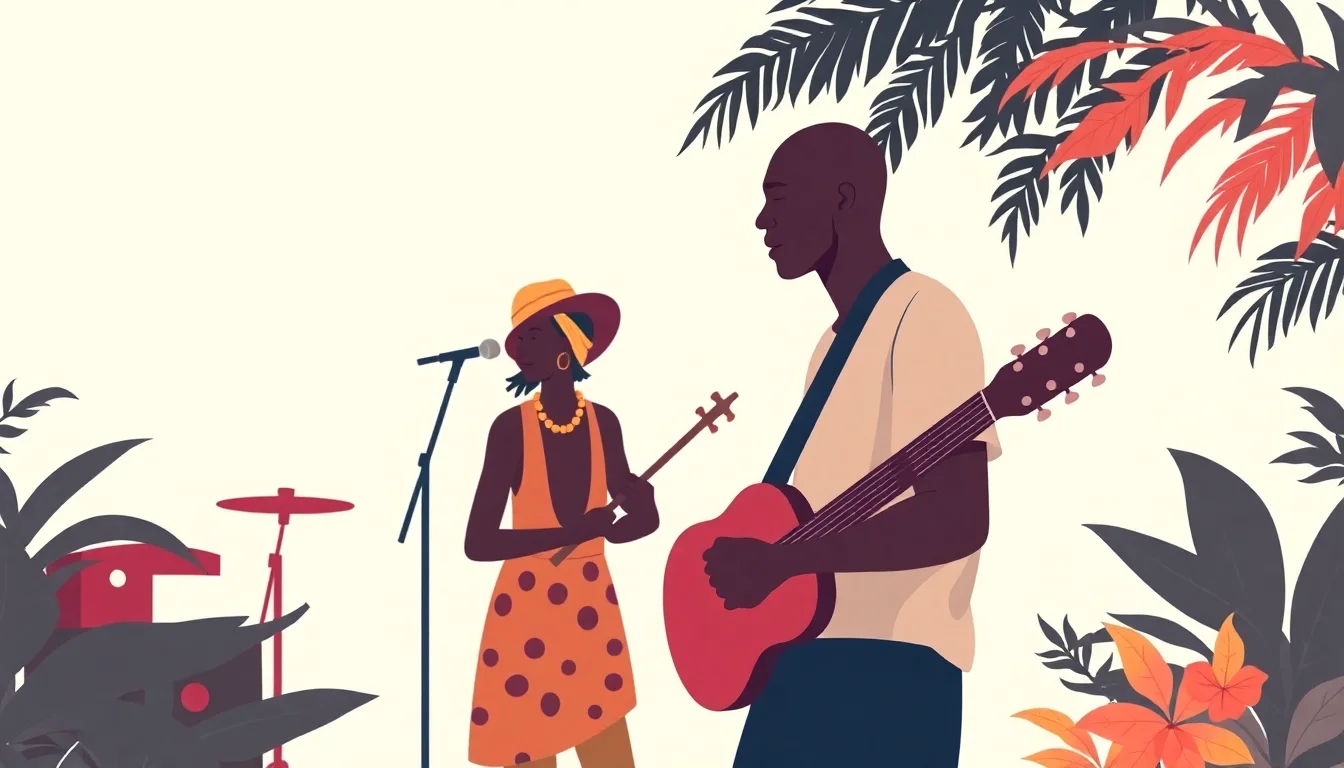
Music and arts are essential components of Jamaican culture, with the island producing a wide range of talented musicians and artists. From reggae music to dancehall music, Jamaican genres have gained international recognition and popularity. The island is also home to a thriving arts scene, with many galleries and museums showcasing the work of local artists, such as the National Gallery of Jamaica. Visitors can experience the island's vibrant music and arts scene by attending festivals and concerts, such as the Reggae Sumfest.
🍴 Cuisine and Traditions
Jamaican cuisine is a delicious and eclectic blend of different culinary traditions. Popular dishes, such as jerk chicken and curry goat, reflect the island's African, British, and Indian influences. The island is also famous for its fresh seafood, exotic fruits, and refreshing beverages, such as Jamaican rum and Blue Mountain coffee. Foodies can explore the island's culinary scene by visiting local markets, such as the Coronation Market, and trying traditional dishes at restaurants, such as Scotchies Jerk Centre.
👥 Cultural Diversity and Identity
Jamaican culture is characterized by its cultural diversity and identity. The island's history of slavery, colonization, and migration has created a unique cultural landscape, with many different groups contributing to the island's heritage. Today, Jamaicans take great pride in their cultural identity, which is reflected in their music, art, literature, and traditions. Visitors can learn more about the island's cultural diversity by visiting museums, such as the Jamaica National Heritage Trust, and attending cultural festivals, such as the Jamaica Carnival.
📚 Education and Language
Education and language are essential aspects of Jamaican culture. The island has a well-developed education system, with many schools and universities offering a range of academic programs. The official language of Jamaica is English, but many Jamaicans also speak Jamaican Creole, also known as Patois. This unique language, which reflects the island's African and British influences, is an important part of Jamaican identity and culture. For example, the University of the West Indies offers courses in Jamaican Creole and Caribbean studies.
💃 Festivals and Celebrations
Jamaica is known for its vibrant festivals and celebrations, which showcase the island's rich cultural heritage. The Jamaica Independence Day celebrations, which take place on August 6th, are a time of great pride and patriotism for Jamaicans. Other popular festivals, such as the Jamaica Jazz and Blues Festival and the Reggae Month celebrations, attract visitors from around the world. Visitors can experience the island's festive atmosphere by attending these events and learning about the island's history and culture.
🕴️ Comparison with Similar Cultures
Jamaican culture is often compared to other Caribbean cultures, such as Barbadian culture and Trinidadian culture. While there are many similarities between these cultures, Jamaican culture is unique and distinctive, reflecting the island's complex history and cultural diversity. Visitors can explore the similarities and differences between these cultures by visiting other Caribbean islands and experiencing their unique traditions and customs. For example, the Caribbean culture is known for its vibrant music, delicious cuisine, and beautiful beaches.
👍 Practical Tips for Exploring Jamaican Culture
For visitors who want to explore Jamaican culture, there are many practical tips and recommendations. One of the best ways to experience the island's culture is to attend a traditional Jamaican festival or celebration, such as the Jamaica Emancipation Day celebrations. Visitors can also try traditional Jamaican cuisine, such as ackee and saltfish, and visit local markets and craft shops to learn about the island's handicrafts and traditions. Additionally, visitors can take a Jamaican culture tour to learn more about the island's history and culture.
📞 Getting Started with Jamaican Culture
To get started with exploring Jamaican culture, visitors can begin by learning about the island's history and cultural heritage. There are many online resources and travel guides available, such as the Jamaica Tourist Board, which provide information and recommendations for visitors. Visitors can also contact local tour operators and cultural organizations, such as the Jamaica Cultural Development Commission, to learn more about the island's cultural events and festivals. By taking the time to learn about and appreciate Jamaican culture, visitors can have a more meaningful and enjoyable experience on the island.
Key Facts
- Year
- 1962
- Origin
- Jamaica, Caribbean
- Category
- Cultural Heritage
- Type
- National Culture
Frequently Asked Questions
What is the main religion in Jamaica?
The main religion in Jamaica is Christianity, but the island is also home to a significant Rastafarian community. Rastafarianism is a unique and influential aspect of Jamaican spirituality, emphasizing African identity and resistance to oppression. Other religious influences, such as Hinduism and Islam, are also present on the island. For example, the Rastafarian movement has had a significant impact on the island's music, art, and literature.
What is the most popular type of music in Jamaica?
The most popular type of music in Jamaica is reggae music, which originated on the island in the 1960s. Reggae music is a unique blend of African, British, and American influences, and is characterized by its distinctive rhythm and socially conscious lyrics. Other popular genres, such as dancehall and ska, are also popular in Jamaica. For example, the reggae music scene is thriving, with many local artists and bands performing at festivals and concerts.
What is the best way to experience Jamaican culture?
The best way to experience Jamaican culture is to attend a traditional Jamaican festival or celebration, such as the Jamaica Independence Day celebrations. Visitors can also try traditional Jamaican cuisine, visit local markets and craft shops, and take a Jamaican culture tour to learn more about the island's history and cultural heritage. For example, the Jamaican culture tour is a great way to learn about the island's history, music, and art.
What is the official language of Jamaica?
The official language of Jamaica is English, but many Jamaicans also speak Jamaican Creole, also known as Patois. This unique language, which reflects the island's African and British influences, is an important part of Jamaican identity and culture. For example, the Jamaican Creole language is widely spoken on the island, and is an important part of the island's cultural heritage.
What is the best time to visit Jamaica?
The best time to visit Jamaica is during the winter months, from December to April, when the weather is cool and dry. This is also the peak tourist season, with many festivals and celebrations taking place during this time. Visitors can also visit during the summer months, from May to November, when the weather is warm and sunny. For example, the Jamaica Tourist Board provides information and recommendations for visitors, including the best times to visit and what to do on the island.
What is the currency used in Jamaica?
The currency used in Jamaica is the Jamaican dollar, which is available in denominations of $1, $5, $10, $20, $50, $100, $500, and $1000. Visitors can exchange their money at banks, currency exchange offices, or hotels, and credit cards are widely accepted on the island. For example, the Jamaican dollar is the local currency, and is used for all transactions on the island.
What is the capital city of Jamaica?
The capital city of Jamaica is Kingston, which is located on the southeastern coast of the island. Kingston is a bustling metropolis with a rich cultural heritage, and is home to many historical sites, museums, and cultural attractions. For example, the Kingston, Jamaica is a great place to visit, with many things to see and do, including the Bob Marley Museum and the National Gallery of Jamaica.