
Contents
Overview
Japanese sake, often referred to as Japanese rice wine, is an alcoholic beverage produced in Japan through the fermentation of rice. Unlike wine, which ferments natural fruit sugars, sake undergoes a unique 'multiple parallel fermentation' process, akin to brewing beer, where rice starch is converted into sugars and then fermented into alcohol simultaneously. This complex process, refined over centuries, yields a diverse range of flavors and aromas, from delicate and floral to rich and savory. Sake's cultural significance is profound, deeply interwoven with Japanese traditions, rituals, and cuisine, making it far more than just a drink but a symbol of hospitality and celebration. Its production involves meticulous attention to detail, from rice polishing ratios to water quality and yeast strains, influencing its classification and Vibe score.
🎵 Origins & History
Early sake was likely a crude, unfiltered concoction known as doburoku, a cloudy, home-brewed beverage. Over time, sake production became more sophisticated, with dedicated breweries and refined techniques developing through various historical periods. The use of koji mold, a crucial enzyme for starch conversion, significantly improved quality and shelf-life. Later periods saw the rise of commercial breweries and the establishment of distinct sake styles. Industrialization and government regulations further standardized production, though artisanal methods continue to thrive.
⚙️ How It Works
Sake's unique brewing process, known as multiple parallel fermentation (heiko fukuhakkō), is central to its character. Unlike beer, where starch conversion and alcohol fermentation occur in separate stages, sake achieves both simultaneously. First, steamed rice is inoculated with koji mold, which breaks down rice starches into fermentable sugars. Simultaneously, yeast converts these sugars into alcohol. This complex interplay is managed by adding koji rice, steamed rice, and water in multiple stages over several days to a starter mash called shubo. The precise ratio of these ingredients, the temperature control, and the specific yeast strain employed dictate the final sake's flavor profile, aroma, and alcohol content, which typically ranges from 15-20% ABV, higher than most beers but lower than most wines.
📊 Key Facts & Numbers
The global sake market is projected to reach approximately \$2.7 billion by 2027, growing at a CAGR of 4.5% from 2020, according to some market analyses. Japan remains the dominant producer and consumer, with over 1,500 breweries operating nationwide. The average alcohol by volume (ABV) for sake is around 15-17%, though some can reach up to 20%. Rice polishing ratio, a key quality indicator, is expressed as seimai buai, the percentage of the original grain remaining; for premium sake (ginjo and daiginjo), this ratio must be 60% or lower, meaning at least 40% of the outer grain has been polished away. Over 80% of sake is consumed domestically in Japan, but exports have seen steady growth, particularly in the United States and Europe, with sales increasing by over 10% annually in recent years.
👥 Key People & Organizations
While sake production is a collective effort involving many brewers and rice farmers, certain individuals and organizations have significantly shaped its modern landscape. The Nihon Saké Seishu Kyōkai (Japan Sake and Shochu Makers Association) plays a crucial role in promoting quality standards and research. In the contemporary scene, John Gauntner, an American author and educator, is widely credited with popularizing sake knowledge and appreciation outside Japan, often referred to as the 'Dean of American Sake'. Organizations like the Saké Education Council and the International Kikisake-shi Association are vital for training and certification, ensuring a global understanding of sake.
🌍 Cultural Impact & Influence
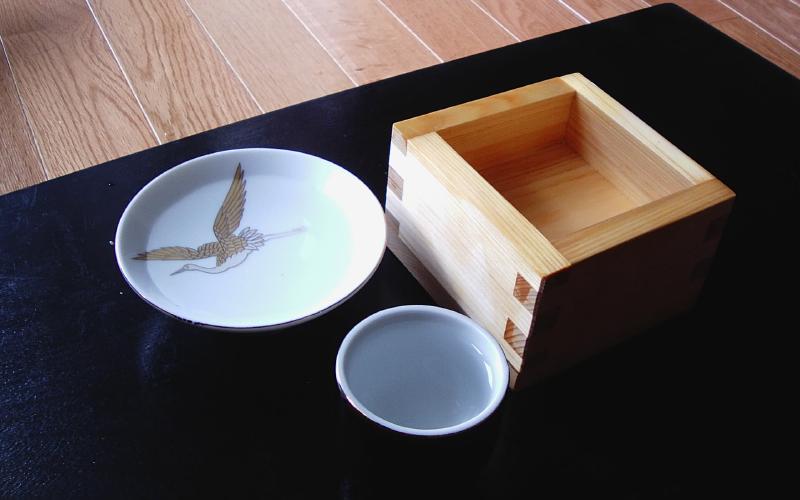
Sake's cultural resonance extends far beyond Japan's borders. It is an indispensable element in traditional ceremonies, from weddings and funerals to seasonal festivals like Oshogatsu (New Year). Its presence elevates meals, acting as a culinary bridge that complements a vast array of Japanese dishes, from delicate sashimi to robust grilled meats. The ritual of serving sake, often warmed in tokkuri (ceramic flasks) and poured into ochoko (small cups), embodies Japanese hospitality (omotenashi). Globally, sake has influenced beverage trends, inspiring craft brewers and distillers and finding its way into cocktail menus. Its aesthetic appeal, from the elegant ceramic vessels to the nuanced colors of the liquid itself, has also contributed to its status as a sophisticated beverage.
⚡ Current State & Latest Developments
The global sake market is experiencing a renaissance, driven by increased consumer interest in artisanal and premium products. In Japan, breweries are increasingly experimenting with novel yeast strains and aging techniques to create unique flavor profiles, appealing to younger demographics. Outside Japan, the number of sake breweries has surged, with notable growth in the United States, Australia, and Europe, often focusing on local ingredients and innovative brewing methods. The rise of online retail and direct-to-consumer sales has also made sake more accessible globally. Furthermore, there's a growing trend towards pairing sake with non-Japanese cuisines, demonstrating its versatility and expanding its appeal beyond traditional contexts.
🤔 Controversies & Debates
One persistent debate revolves around the classification and labeling of sake. While terms like junmai, ginjo, and daiginjo denote quality, the distinction between sake and other fermented rice beverages like Chinese huangjiu or Korean cheongju can be a point of contention, particularly regarding the definition of 'rice wine'. The environmental impact of sake production, including water usage and rice cultivation practices, is also a growing concern, prompting research into more sustainable brewing methods. Furthermore, the perception of sake as a niche or exclusively Japanese beverage continues to be challenged by its increasing global adoption, leading to discussions about its identity and place in the international beverage hierarchy.
🔮 Future Outlook & Predictions
The future of sake appears bright, with continued innovation and global expansion on the horizon. Expect to see more breweries embracing sustainable practices, from organic rice farming to reduced water consumption and energy-efficient brewing. The development of new yeast strains and fermentation techniques will likely yield even more diverse flavor profiles, pushing the boundaries of what sake can be. As global palates become more adventurous, sake's versatility will be further explored, leading to novel food pairings and its integration into a wider range of culinary traditions. The rise of craft sake, mirroring the craft beer and spirits movements, will continue to foster a culture of appreciation for artisanal quality and unique regional expressions.
💡 Practical Applications
Sake's primary application is as a beverage, enjoyed on its own or paired with food. It can be served chilled, at room temperature, or warmed, depending on the type and season. Beyond drinking, sake finds use in Japanese cooking, where its subtle sweetness and umami enhance marinades, sauces, and braised dishes, acting as a tenderizer and flavor enhancer, much like wine in Western cuisine. In cosmetics, sake's moisturizing properties have led to its inclusion in skincare products, lotions, and soaps. Furthermore, sake lees (sake kasu), a byproduct of brewing, are utilized in various culinary applications, such as pickles (kasuzuke) and fermented pastes, minimizing waste and adding unique flavors.
Key Facts
- Category
- culture
- Type
- product