
Contents
Overview
The genesis of San Jose's Japantown, or Nihonmachi, traces back to the late 19th century, spurred by the influx of Japanese immigrants seeking agricultural and labor opportunities following the California Gold Rush and the Transcontinental Railroad. Initially, Japanese immigrants settled in areas north of Downtown San Jose, drawn by available land and proximity to existing businesses. The community faced severe disruptions during World War II with the forced internment of Japanese Americans, leading to the temporary abandonment of the district and the loss of many businesses and cultural institutions. Post-war, survivors returned, working to rebuild and reclaim their community, though the landscape had irrevocably changed, with many properties lost to urban renewal projects like the construction of Interstate 280 and the Japanese American National Museum's precursor efforts in Los Angeles influencing preservation movements nationwide.
⚙️ How It Works
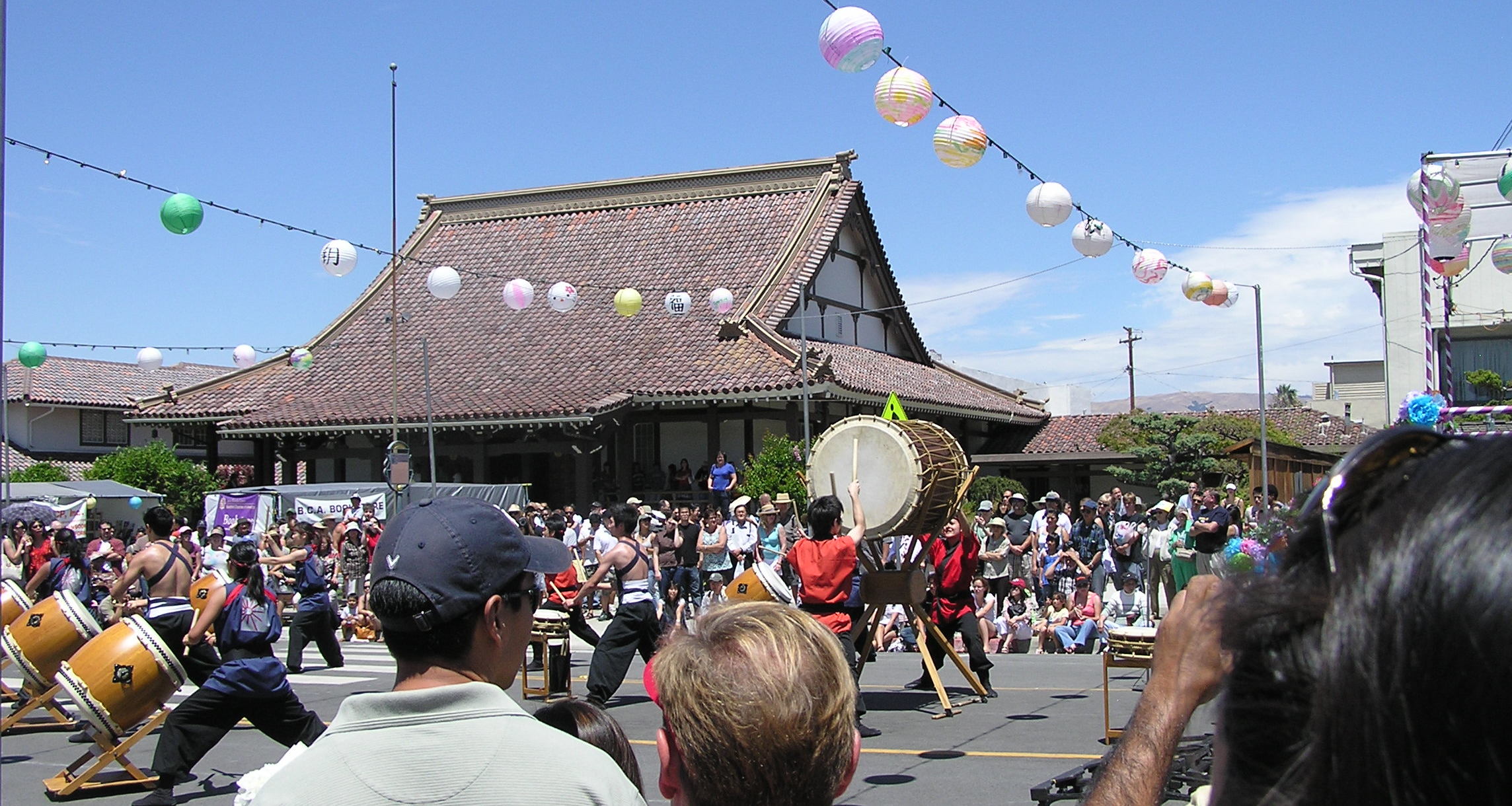
Japantown functions as a living cultural district, a microcosm of community resilience and adaptation. Its 'mechanics' are driven by a network of small businesses, community organizations, and residents who actively participate in its upkeep and cultural programming. Traditional businesses like grocery stores, restaurants, and import shops form the economic backbone, while community centers and cultural associations provide social cohesion and educational opportunities. The district's layout, characterized by a mix of historic buildings and newer developments, reflects its layered history. Its vitality is sustained through events such as the Obon Festival and the Lunar New Year Parade, which draw visitors and reinforce its multicultural identity. The ongoing challenge is to maintain economic viability and cultural authenticity amidst the pressures of gentrification and the high cost of living in Silicon Valley.
📊 Key Facts & Numbers
San Jose's Japantown is one of only three remaining historic Japantowns in the continental United States, alongside San Francisco's Japantown and Los Angeles's Little Tokyo. The district historically encompassed approximately 25 blocks, though its physical footprint has been significantly reduced over time, with current estimates suggesting a core area of about 5-10 blocks. It is home to over 50 businesses, a significant portion of which are Japanese or Asian-owned, contributing to an estimated annual economic output that is difficult to quantify precisely but supports hundreds of jobs. Approximately 15% of San Jose's population identifies as Asian American, reflecting the broader demographic trends of the region, yet Japantown specifically serves as a concentrated cultural anchor for a much smaller, yet deeply rooted, community. The district hosts an estimated 10-15 major cultural events annually, attracting tens of thousands of visitors.
👥 Key People & Organizations
Key figures in the preservation and revitalization of Japantown include individuals like Paul Takeo Matsuda, a prominent architect and community leader who advocated for the district's historical significance, and organizations such as the Japanese American Community and Cultural Center (JACCC) and the Historic Japantown Preservation Project. These entities have been instrumental in organizing events, advocating for policy changes, and raising funds to support local businesses and cultural initiatives. The City of San Jose itself plays a crucial role through its planning departments and cultural affairs offices, though its priorities can sometimes conflict with preservationist goals. Local businesses, such as Mascott Japanese Foods and Shun Ji Sushi, represent the enduring entrepreneurial spirit of the community.
🌍 Cultural Impact & Influence
Japantown's cultural impact extends beyond its physical boundaries, serving as a vital symbol of Japanese American heritage and resilience in the face of historical adversity, including the internment during World War II. It has influenced the broader understanding of ethnic enclaves in urban planning and cultural studies, demonstrating how these communities can adapt and thrive. The district's festivals, such as the Obon Festival, have become significant cultural touchstones, attracting diverse audiences and fostering intergenerational and intercultural connections. Its culinary traditions, from ramen to sushi, have contributed to the wider California food scene, influencing local restaurants and home cooking. The very existence of Japantown as one of the few remaining in the U.S. serves as a powerful narrative of cultural preservation and identity in a rapidly changing America.
⚡ Current State & Latest Developments
In the current landscape, Japantown is navigating a critical juncture. The ongoing pressures of rising rents and the threat of displacement for long-standing businesses remain paramount concerns. Recent initiatives, such as the proposed San Jose State University development projects near the district, have reignited debates about its future. Community leaders are actively engaged in seeking solutions, including exploring new zoning regulations, fostering business incubators, and leveraging cultural tourism. The Historic Japantown Preservation Project continues its advocacy, working with the City of San Jose to secure grants and implement preservation strategies. The district is also seeing a resurgence of interest from younger generations and new entrepreneurs eager to contribute to its cultural vibrancy, albeit with different business models and approaches.
🤔 Controversies & Debates
The primary controversies surrounding Japantown revolve around the tension between preservation and development. Critics argue that the City of San Jose's development plans, particularly those involving new housing and commercial projects, threaten the historic character and affordability of the district, potentially displacing long-term residents and businesses. Proponents of development, however, emphasize the need for economic growth and modernization to ensure the district's long-term viability, arguing that stagnation leads to decay. Another point of contention is the definition of 'authenticity' in a changing community; some worry that commercialization for tourism might dilute the genuine cultural experience, while others see it as a necessary means of survival. The legacy of the internment also continues to be a sensitive topic, with ongoing discussions about reparations and historical memory.
🔮 Future Outlook & Predictions
The future of Japantown hinges on its ability to adapt while preserving its core identity. Futurists predict a continued struggle against gentrification, with potential outcomes ranging from a highly curated, tourist-focused district to a more integrated, mixed-use neighborhood where cultural elements are woven into modern urban fabric. Innovative solutions, such as community land trusts and adaptive reuse of historic buildings, are likely to become more prevalent. The role of technology in preserving and promoting the district's heritage, through virtual tours or digital archives, will also likely expand. Ultimately, the district's survival will depend on sustained community engagement, supportive city policies, and the successful integration of new economic models that respect its historical significance. The success of San Francisco's Japantown's recent revitalization efforts may offer a blueprint, or a cautionary tale, for San Jose.
💡 Practical Applications
Japantown serves as a living laboratory for understanding urban ethnic enclaves and cultural preservation. Its businesses, particularly its restaurants and grocery stores, offer prac
Key Facts
- Category
- culture
- Type
- topic