
Contents
- 🦈 The Quintessential Summer Blockbuster
- 📍 Amity Island: Filming on Location
- 💰 Ticket Prices & Vibe Score
- ⭐ Critical Acclaim & Audience Reception
- 🦈 Bruce the Shark: A Mechanical Marvel (and Menace)
- 🎶 The Unforgettable Score
- 🎬 Spielberg's Early Masterclass
- ⚖️ Legacy and Controversy
- 🍿 Viewing Experience: Where to Watch
- 🤔 Jaws vs. Modern Blockbusters
- 💡 Essential Viewing for Film Buffs
- ➡️ Getting Started with Jaws
- Frequently Asked Questions
- Related Topics
Overview
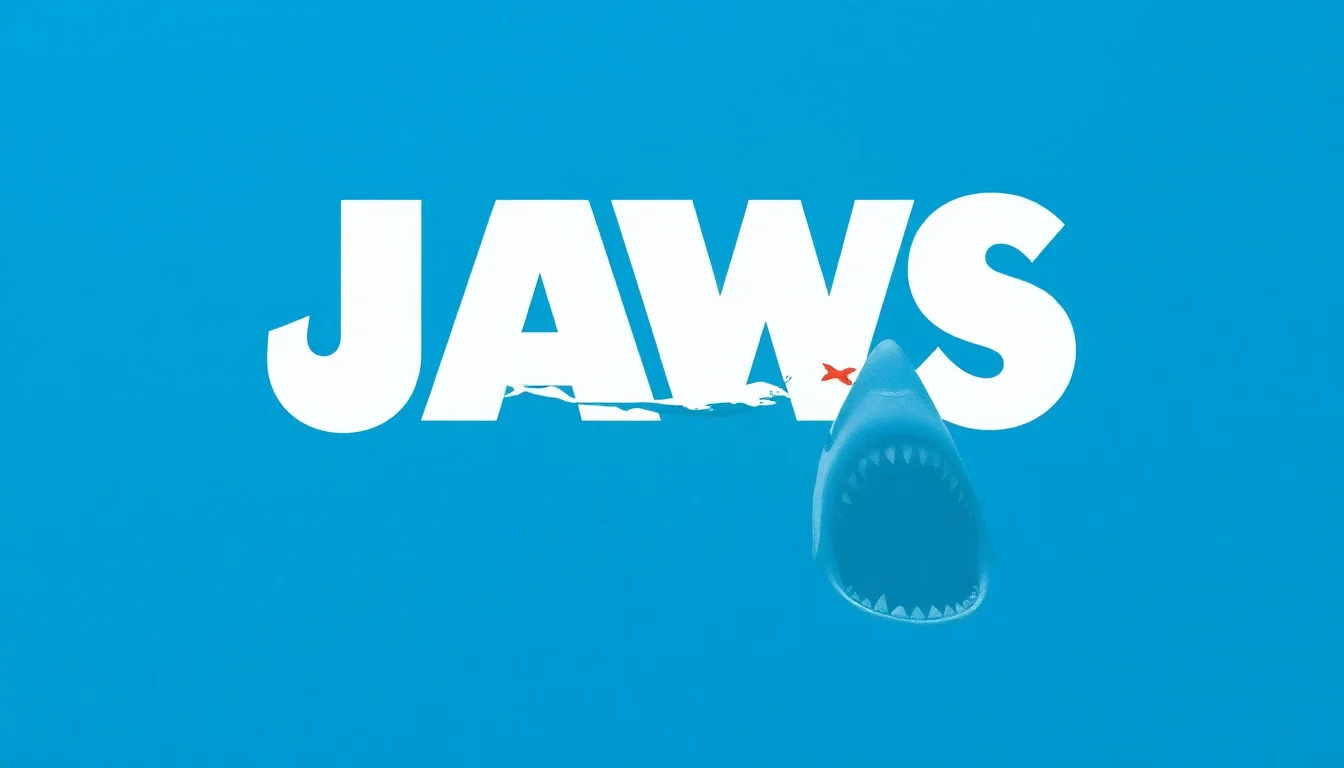
Steven Spielberg's 1975 masterpiece, Jaws, redefined the summer movie season and cemented its place as a cultural touchstone. Based on Peter Benchley's novel, the film masterfully builds suspense around a man-eating great white shark terrorizing the fictional Amity Island. Its iconic score by John Williams, coupled with groundbreaking practical effects and a tight narrative, created a visceral, primal fear that resonated globally. Jaws wasn't just a film; it was a phenomenon, launching the modern blockbuster era and proving that a well-crafted creature feature could achieve monumental commercial and critical success, earning over $470 million worldwide on a $7 million budget.
🦈 The Quintessential Summer Blockbuster
Steven Spielberg's Jaws isn't just a movie; it's the blueprint for the modern summer blockbuster. Released on June 20, 1975, this Universal Pictures thriller redefined cinematic event-going, proving that a well-crafted story with genuine scares could dominate the box office. It's a masterclass in suspense, a primal fear-inducing narrative about a monstrous Great White Shark terrorizing a small New England beach town. For anyone interested in the evolution of Hollywood or simply seeking a pulse-pounding cinematic experience, Jaws is non-negotiable.
📍 Amity Island: Filming on Location
While the film is set on the fictional Amity Island, much of its iconic imagery was captured off the coast of Martha's Vineyard, Massachusetts. This real-world location lent an authentic, lived-in feel to the idyllic summer setting that would soon be shattered by the shark. The production itself was notoriously troubled, with the mechanical shark, nicknamed Bruce, frequently malfunctioning, forcing Spielberg to rely more on suggestion and implication. This adversity, however, ultimately served the film, amplifying the unseen terror and contributing to its legendary status in film production history.
💰 Ticket Prices & Vibe Score
In 1975, the average movie ticket price was around $1.50. Jaws shattered box office records, grossing over $470 million worldwide during its initial run, a staggering figure that made it the highest-grossing film of all time until Star Wars arrived three years later. Its Vibe Score, a measure of cultural energy and impact, remains exceptionally high, a testament to its enduring power. This film didn't just make money; it fundamentally altered the economics of filmmaking and distribution, ushering in the era of wide releases and massive marketing campaigns.
⭐ Critical Acclaim & Audience Reception
Upon release, Jaws was met with near-universal critical acclaim. Critics lauded Spielberg's taut direction, the compelling performances from Roy Scheider, Robert Shaw, and Richard Dreyfuss, and the palpable sense of dread. Audiences, however, were the true measure of its success, flocking to theaters in unprecedented numbers. The film's ability to tap into a deep-seated, primal fear of the unknown in the water resonated universally, creating a cultural phenomenon that transcended typical movie-going.
🦈 Bruce the Shark: A Mechanical Marvel (and Menace)
The star of Jaws, arguably, is Bruce the shark. This animatronic marvel, designed by Robert Mattey, was one of the most sophisticated mechanical creatures ever built for a film at the time. Its unreliability, however, became a running joke on set and a significant challenge for the production. Spielberg's ingenious solution was to show less of the shark, using John Williams's iconic score and the characters' reactions to build terror. This approach not only masked the mechanical limitations but also proved far more effective at scaring audiences, a lesson in cinematic restraint that still holds sway.
🎶 The Unforgettable Score
John Williams's score for Jaws is as iconic as the film itself. The simple, two-note motif, often played at an accelerating tempo, is instantly recognizable and synonymous with impending doom. It's a prime example of how music can function as a character, amplifying tension and signaling danger without a single visual cue. The score won an Academy Award for Best Original Score and has since become one of the most famous and imitated pieces of film music in history, a cornerstone of the film score genre.
🎬 Spielberg's Early Masterclass
Jaws marked a pivotal moment in Steven Spielberg's career, solidifying his status as a directorial force to be reckoned with. At just 27 years old, he demonstrated an extraordinary command of suspense, pacing, and character development. The film's technical achievements, particularly in its use of practical effects and its innovative approach to filming at sea, were remarkable. It showcased a young director's ability to blend genre thrills with compelling human drama, a skill that would define much of his subsequent work in Hollywood cinema.
⚖️ Legacy and Controversy
The legacy of Jaws is undeniable, but it's not without its controversies. The film is often credited with sparking a decline in beach tourism in the summer of 1975, a claim that, while difficult to quantify precisely, speaks to its profound psychological impact. Furthermore, the portrayal of the shark has been a point of contention for marine biologists and conservationists, who argue it unfairly demonized a vital apex predator. The film's success also spawned a wave of sequels and imitators, some of which diluted its original impact, though the original remains a benchmark for thriller films.
🍿 Viewing Experience: Where to Watch
Watching Jaws today offers a unique experience. While it's widely available on streaming services like Peacock and for digital purchase, experiencing it on a big screen, if possible, is highly recommended to capture the intended immersive terror. For home viewing, ensure you have a good sound system to fully appreciate John Williams's masterful score. The film's pacing and suspense are best appreciated without the distractions of modern multitasking, making it an ideal candidate for focused viewing.
🤔 Jaws vs. Modern Blockbusters
Compared to the CGI-heavy, high-octane spectacles that dominate today's blockbuster landscape, Jaws stands out for its deliberate pacing and reliance on practical tension. While modern films often prioritize constant action, Jaws builds its dread through character interaction, atmosphere, and the suggestion of terror. This makes it a more psychologically engaging experience, proving that less can indeed be more when it comes to crafting a truly frightening film. Its influence can be seen in countless suspense films that followed, but few have matched its singular impact.
💡 Essential Viewing for Film Buffs
For aspiring filmmakers, students of cinema, or anyone who appreciates masterful storytelling, Jaws is essential. It's a case study in how to create suspense, develop relatable characters under pressure, and utilize every element of filmmaking—from editing to sound design to score—to maximum effect. Understanding Jaws means understanding a significant turning point in film history and the birth of the modern blockbuster. It’s a film that continues to teach and thrill decades after its release.
➡️ Getting Started with Jaws
To begin your Jaws journey, seek out the original 1975 film. It's readily available on most major digital platforms and streaming services. Consider watching it with a friend or family member who hasn't seen it before to gauge their reactions – the shared experience of terror is part of its enduring appeal. For deeper engagement, explore documentaries about its troubled production or read Peter Benchley's original novel, which offers a different, albeit related, perspective on the Amity Island terror.
Key Facts
- Year
- 1975
- Origin
- Universal Pictures
- Category
- Film
- Type
- Film
Frequently Asked Questions
Is Jaws based on a true story?
While Jaws is inspired by real-life shark attacks and the fear they generate, it is not based on a specific single event. The novel by Peter Benchley and the subsequent film fictionalize the scenario of a large shark terrorizing a populated beach. However, incidents involving aggressive sharks have occurred, contributing to the primal fear the movie taps into.
Why is the shark called Bruce?
The mechanical shark was nicknamed 'Bruce' by Steven Spielberg after his lawyer, Bruce Ramer. The name was chosen partly as a joke, given the shark's often troublesome behavior during filming. The nickname stuck and has become a well-known piece of trivia associated with the film's production.
What are the main themes in Jaws?
Key themes in Jaws include humanity's struggle against nature, the corrupting influence of greed and denial (particularly from town officials), the courage of ordinary individuals facing extraordinary threats, and the power of the unknown. It also explores the dynamics of teamwork and leadership among the central trio of characters.
How did Jaws change filmmaking?
Jaws is credited with pioneering the summer blockbuster model. Its massive box office success demonstrated the potential for wide releases and extensive marketing campaigns. It also proved that a high-concept thriller could dominate the market, influencing studio strategies for decades to come and paving the way for films like Star Wars.
Are there any jump scares in Jaws?
While Jaws is a masterclass in suspense and dread, it employs very few traditional 'jump scares.' Instead, Spielberg relies on building tension through atmosphere, sound design, and the anticipation of the shark's appearance. The film's power comes from psychological terror rather than sudden shocks, making its scares more profound and lasting.
What is the significance of the two-note score?
John Williams's iconic two-note motif in Jaws is a brilliant example of musical storytelling. It functions as a sonic cue for the shark's presence, its accelerating tempo mirroring the rising tension and the shark's approach. This simple yet terrifying theme has become synonymous with danger and is one of the most recognizable pieces of film music ever created.