
Contents
Overview
The cultural genesis of Kashmir is deeply rooted in its ancient past, predating the arrival of Islam. Early Kashmiri society was influenced by Hinduism and Buddhism, with significant philosophical and artistic contributions from traditions like the Shaivism of Kashmir and the Buddhist monastic system. The 14th century marked a pivotal shift with the advent of Islamic rule, ushering in substantial Persian and Central Asian influences. This period saw the rise of Sufi saints and scholars who integrated with local customs, leading to a unique syncretism. The Mughal era (16th-18th centuries) further cemented Persianate cultural elements, evident in art, architecture, and administrative practices, while the Dogra rule (19th-20th centuries) brought Punjabi and other North Indian influences. Each epoch layered new traditions onto the existing Kashmiri substratum, creating a complex and multifaceted cultural identity.
⚙️ How It Works
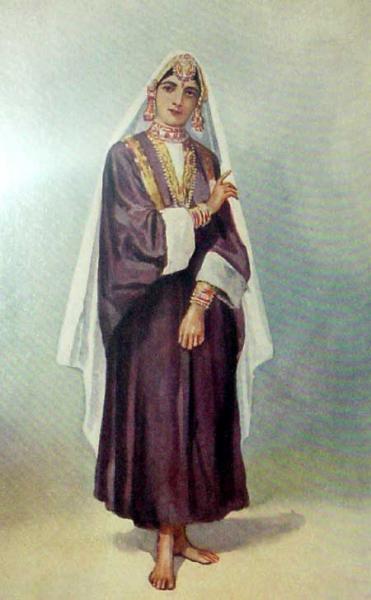
Kashmiri culture operates through a dynamic interplay of linguistic, religious, and social structures. The Kashmiri language, an Indo-Aryan language, serves as a primary vehicle for cultural transmission, particularly through its rich oral traditions and poetic forms like woak and rouf. Religious practices, predominantly Islam (especially Sufism) and Hinduism (particularly Kashmir Shaivism), shape festivals, rituals, and community life. The traditional crafts sector, including Pashmina weaving, embroidery, and wood carving, functions as a vital economic and cultural engine, often passed down through generations within artisan families. Social structures, historically influenced by a feudal system and later by democratic reforms, continue to evolve, impacting family dynamics and community engagement.
📊 Key Facts & Numbers
The cultural landscape of Kashmir is quantifiable through several key metrics. The region boasts an estimated 2,000 active artisans specializing in traditional crafts, contributing significantly to the local economy. Approximately 97% of the population in the Kashmir Valley identifies as Muslim, with a notable Hindu minority (primarily Pandits) and smaller communities of Sikhs and Buddhists, reflecting its diverse religious heritage. The region has produced over 500 published literary works in Kashmiri since the early 20th century.
👥 Key People & Organizations
Key figures have profoundly shaped Kashmiri culture. Habba Khatoon, the 16th-century mystic poetess and queen, remains an iconic figure in Kashmiri literature, celebrated for her woak verses. Lal Ded, an earlier 14th-century Hindu mystic, is revered across religious lines for her philosophical vakhs. In contemporary times, figures like Bashir Badr (though primarily an Urdu poet, his work often touches upon themes resonant with Kashmiri sensibilities) and organizations like the University of Kashmir's Department of Kashmiri play crucial roles in preserving and promoting the language and arts. The Jammu and Kashmir Academy of Art, Culture and Languages has been instrumental in documenting and supporting cultural heritage since its establishment in 1958.
🌍 Cultural Impact & Influence
Kashmiri culture has exerted a notable influence far beyond its geographical confines. Its exquisite Pashmina textiles have been prized globally for centuries, adorning royalty and fashion elites from Europe to China. The aesthetic principles of Mughal Gardens in Srinagar, such as Shalimar Bagh, have inspired landscape design worldwide. Kashmiri calligraphy and miniature painting styles, particularly those developed during the Mughal period, have influenced artistic traditions across the subcontinent. Furthermore, the philosophical underpinnings of Kashmir Shaivism have found resonance within broader yogic and meditation circles globally, influencing modern spiritual practices.
⚡ Current State & Latest Developments
In the current era (2024-2025), Kashmiri culture faces both opportunities and challenges. The digital age has seen a surge in online content creation, with numerous YouTube channels and social media platforms dedicated to showcasing Kashmiri music, cuisine, and traditions, reaching an estimated 5 million online followers. Efforts to revive traditional crafts are ongoing, with initiatives like the Kashmir Handicrafts Artisans Association working to support artisans and ensure fair trade practices. However, the region's ongoing political situation continues to impact cultural exchange and tourism, with security concerns occasionally disrupting festivals and artistic events. There's a growing interest among the youth in reclaiming and reinterpreting traditional art forms, leading to innovative fusion music and contemporary art exhibitions.
🤔 Controversies & Debates
The cultural landscape of Kashmir is not without its contentious aspects. The narrative of Kashmiri culture is often contested, with differing interpretations of its historical influences and contemporary identity, particularly between India and Pakistan-administered regions. The displacement of the Kashmiri Pandits in the early 1990s has led to debates about cultural preservation, minority rights, and the representation of non-Muslim heritage within the broader Kashmiri cultural discourse. Furthermore, the commodification of traditional crafts, especially Pashmina, raises concerns about authenticity, exploitation of artisans, and the impact of mass production on traditional techniques. The political climate also frequently leads to discussions about the suppression or promotion of specific cultural expressions by state actors.
🔮 Future Outlook & Predictions
The future of Kashmiri culture appears poised for a complex evolution. Increased global connectivity through digital platforms like Instagram and TikTok is likely to amplify the reach of Kashmiri arts and traditions, potentially fostering new forms of cultural entrepreneurship. There is a projected 15% growth in cultural tourism by 2027, driven by a renewed interest in heritage experiences, provided regional stability improves. Efforts in linguistic revitalization, supported by organizations like the Kashmiri Language Awareness Forum, aim to ensure the Kashmiri language thrives among younger generations, potentially leading to a resurgence in contemporary Kashmiri literature and cinema. However, the enduring political uncertainties in the region remain a significant wildcard, potentially impacting cultural continuity and outward expression.
💡 Practical Applications
Kashmiri culture offers numerous practical applications and points of inspiration. Its traditional cuisine, characterized by rich flavors and aromatic spices like saffron and cardamom, is increasingly popular in restaurants worldwide, with an estimated 500 Kashmiri restaurants operating globally. The intricate designs and techniques of Kashmiri embroidery and wood carving are frequently adapted in contemporary fashion and interior design. The philosophical insights from Kashmir Shaivism continue to inform modern mindfulness and meditation practices, with retreats and workshops attracting thousands annually. Furthermore, the resili
Key Facts
- Category
- culture
- Type
- topic