
Contents
Overview
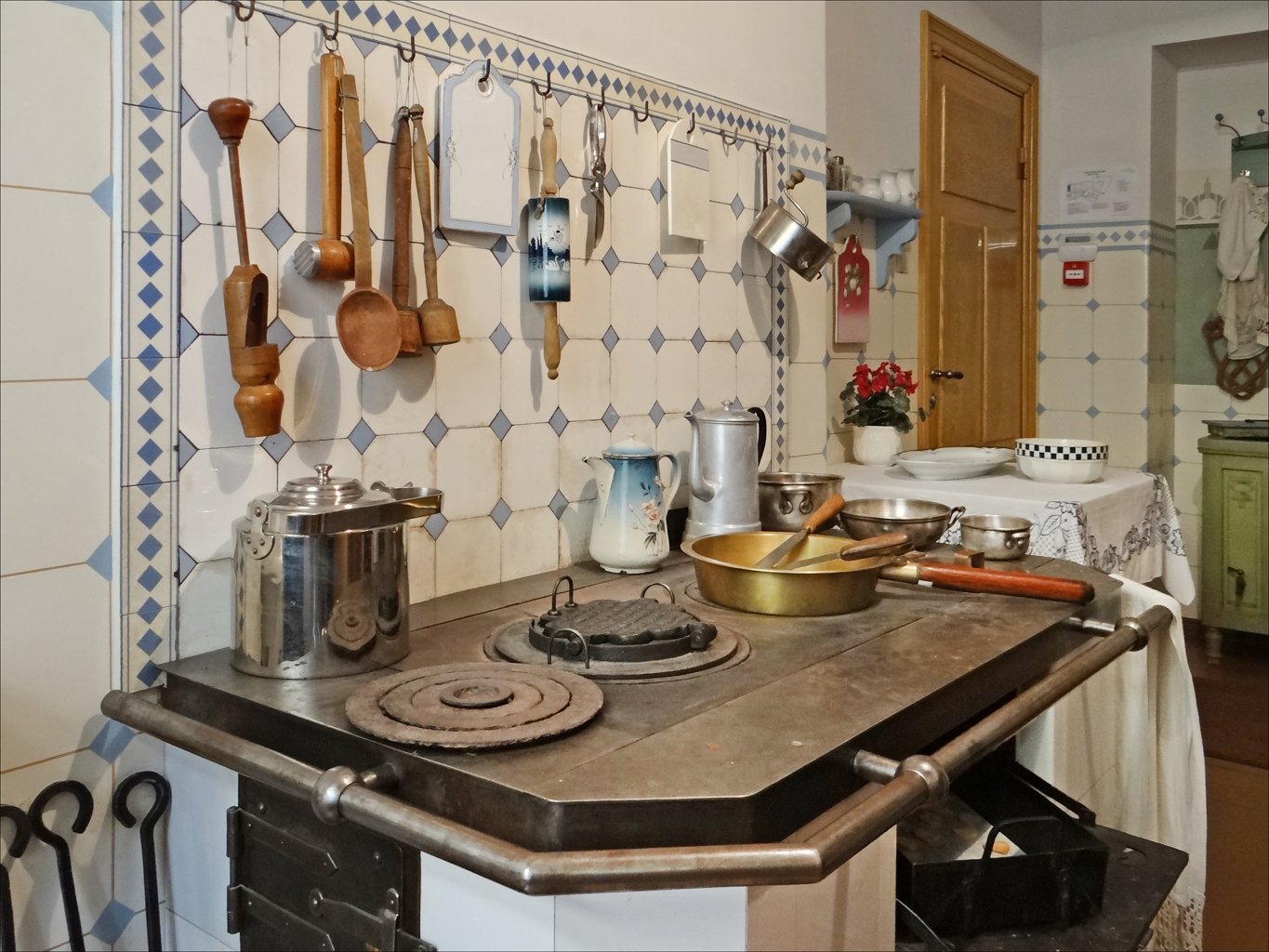
The genesis of kitchen design can be traced back to the earliest human settlements, where a central hearth served as the sole source of heat and cooking. In ancient Roman villas, kitchens were often rudimentary, located in separate wings or basements to mitigate fire risks and smoke. The medieval period saw the great hall often incorporating a large fireplace, with cooking duties handled by specialized staff. The 18th century marked a significant shift with the development of the first enclosed kitchens and the introduction of cast-iron stoves, notably by Benjamin Franklin and Count Rumford, who also championed improved ventilation. The early 20th century, particularly the post-World War I era, witnessed the rise of the modern, hygienic kitchen. This modular, ergonomic design, featuring built-in cabinetry and efficient workflow, became a blueprint for residential kitchens worldwide, emphasizing functionality and space optimization for the burgeoning middle class.
⚙️ How It Works
At its core, effective kitchen design hinges on optimizing the work triangle, a concept that defines the optimal placement of the sink, refrigerator, and stove to minimize steps and maximize efficiency. Modern design extends this by considering zones for prep, cooking, cleaning, and storage, ensuring a logical flow of movement. Ergonomics plays a crucial role, with considerations for counter heights, appliance accessibility, and reachability of cabinets. Lighting is another critical component, typically layered with ambient, task, and accent lighting to enhance both functionality and mood. Ventilation systems, such as range hoods and ductwork, are essential for removing smoke, grease, and odors, contributing to a healthier and more pleasant environment. The selection of materials for countertops, flooring, and cabinetry also impacts durability, maintenance, and overall aesthetic.
📊 Key Facts & Numbers
The global kitchen design market is driven by strong renovation trends, with Germany and the UK being major contributors. The average cost of a kitchen remodel in the United States can range from $15,000 to $50,000, with high-end renovations exceeding $100,000. Globally, over 1.5 billion households are estimated to have access to modern kitchen facilities, though significant disparities remain in developing regions.
👥 Key People & Organizations
Key figures in kitchen design include Margarete Schütte-Lihotzky, the architect of the influential Frankfurt Kitchen. Lillian Moller Gilbreth, a pioneer in industrial engineering and ergonomics, developed the work triangle concept, revolutionizing kitchen workflow. Raymond Loewy, a prolific industrial designer, influenced appliance design and kitchen aesthetics in the mid-20th century. Major organizations shaping the industry include the National Kitchen & Bath Association (NKBA), which sets industry standards and provides certifications, and prominent manufacturers like IKEA, Siemens, and Whirlpool, whose product innovation and design trends significantly impact consumer choices. Architectural firms specializing in residential and commercial spaces, such as HOK and Gensler, also play a crucial role in large-scale kitchen projects.
🌍 Cultural Impact & Influence
Kitchen design profoundly influences culture, reflecting societal values and domestic life. The evolution from a utilitarian space to the 'heart of the home' signifies a shift in family dynamics and social interaction, with kitchens increasingly becoming central gathering points for families and guests. This cultural significance is amplified by media, from Julia Child's iconic television kitchens to modern cooking shows and lifestyle blogs that showcase aspirational kitchen designs. The rise of open-plan living, a trend gaining momentum since the late 20th century, has further integrated kitchens into living and dining areas, demanding designs that are both highly functional and visually appealing. Furthermore, kitchen design impacts health and well-being through considerations of hygiene, ergonomics, and the promotion of home cooking, a practice linked to healthier diets and reduced reliance on processed foods.
⚡ Current State & Latest Developments
Current kitchen design trends emphasize personalization, sustainability, and technological integration. Smart appliances, controllable via smartphone apps, are becoming more commonplace, offering features like remote preheating, inventory management, and energy monitoring. Sustainability is a major driver, with a growing demand for eco-friendly materials such as recycled glass countertops, bamboo cabinetry, and low-VOC finishes. The integration of biophilic design principles, incorporating natural elements like indoor herb gardens and ample natural light, is also on the rise. Color palettes are shifting towards warmer neutrals, deep blues, and greens, moving away from the stark white and gray dominance of the previous decade. The concept of the 'hidden kitchen' or 'prep kitchen' is also gaining traction, allowing for messier tasks to be concealed while maintaining a clean aesthetic in the main living areas.
🤔 Controversies & Debates
A persistent debate in kitchen design revolves around the strict adherence to the work triangle versus more flexible, zone-based layouts. Skeptics argue that the triangle, conceived for a different era of cooking, can be restrictive in larger kitchens or those designed for multiple cooks. Another controversy lies in the balance between aesthetics and practicality; highly stylized, minimalist kitchens might sacrifice crucial storage or ease of cleaning for visual appeal. The integration of smart technology also sparks debate, with concerns about cost, complexity, data privacy, and the potential for obsolescence. Furthermore, the environmental impact of material choices, from deforestation for wood cabinets to the energy consumption of appliances, remains a critical ethical consideration for designers and consumers alike.
🔮 Future Outlook & Predictions
The future of kitchen design is poised for significant innovation, driven by advancements in artificial intelligence and robotics. Expect kitchens to become even more intuitive and personalized, with AI-powered appliances that learn user habits and proactively suggest recipes or manage grocery lists. The integration of vertical farming technology for indoor produce cultivation could become a standard feature, bringing fresh ingredients directly into the home. Material science will likely yield more durable, sustainable, and self-cleaning surfaces. Furthermore, as aging populations grow, universal design principles will become paramount, ensuring kitchens are accessible and easy to use for people of all ages and abilities. The kitchen may also evolve into a more dynamic, multi-functional space, seamlessly transitioning between cooking, working, and entertainment zones.
💡 Practical Applications
Kitchen design principles are applied across a vast spectrum of environments. In residential settings, it involves optimizing layouts for family life, from compact urban apartments to sprawling suburban homes, focusing on functionality, storage solutions, and personal style. Commercial kitchens in restaurants, hotels, and hospitals require rigorous adherence to health codes, efficient workflow for high-volume production, and durable, heavy-duty equipment. Institutional kitchens, such as those in schools and military bases, prioritize cost-effectiveness, safety, and scalability. The design also extends to specialized areas like catering kitchens, fo
Key Facts
- Category
- aesthetics
- Type
- topic