
Contents
Overview
Landscape design is a multifaceted discipline focused on the planning, design, and management of outdoor environments, ranging from intimate gardens to vast public parks and urban infrastructure. It artfully integrates natural systems with cultural values, transforming raw land into functional, aesthetically pleasing, and ecologically sound spaces. Practiced by landscape designers and landscape architects, it sits at the nexus of art, science, and environmental stewardship. The field encompasses everything from selecting plant palettes and hardscape materials to managing water resources and considering the social impact of designed spaces. With a growing emphasis on sustainability and climate resilience, landscape design is increasingly critical in addressing contemporary environmental challenges while enhancing human well-being and cultural expression.
🎵 Origins & History
The roots of landscape design stretch back millennia, evident in ancient civilizations' sophisticated manipulation of their environments for agriculture, ritual, and pleasure. The Renaissance in Europe, particularly in Italy, saw a resurgence of formal garden design. The English landscape garden movement of the 18th century championed by designers like Lancelot 'Capability' Brown rejected rigid symmetry for idealized, naturalistic scenes, profoundly influencing park design.
⚙️ How It Works
At its core, landscape design involves a systematic process of analyzing a site's physical characteristics—such as topography, soil conditions, climate, and existing vegetation—and understanding its cultural and social context. Designers then develop conceptual plans, often through sketches and mood boards, to articulate a vision for the space. This is followed by detailed design development, which includes specifying materials for hardscaping (patios, walls, paths), selecting appropriate plant species based on their ecological needs and aesthetic qualities, and planning for irrigation, lighting, and drainage systems. The process often involves collaboration with architects, engineers, and clients, culminating in construction documents that guide the implementation of the design. Post-construction, landscape management ensures the long-term health and vitality of the designed environment.
📊 Key Facts & Numbers
Residential gardens constitute a substantial portion of the market. Sustainable landscape practices, such as xeriscaping and the use of native plants, are gaining traction. The integration of smart technology for irrigation and lighting control is also becoming standard practice.
👥 Key People & Organizations
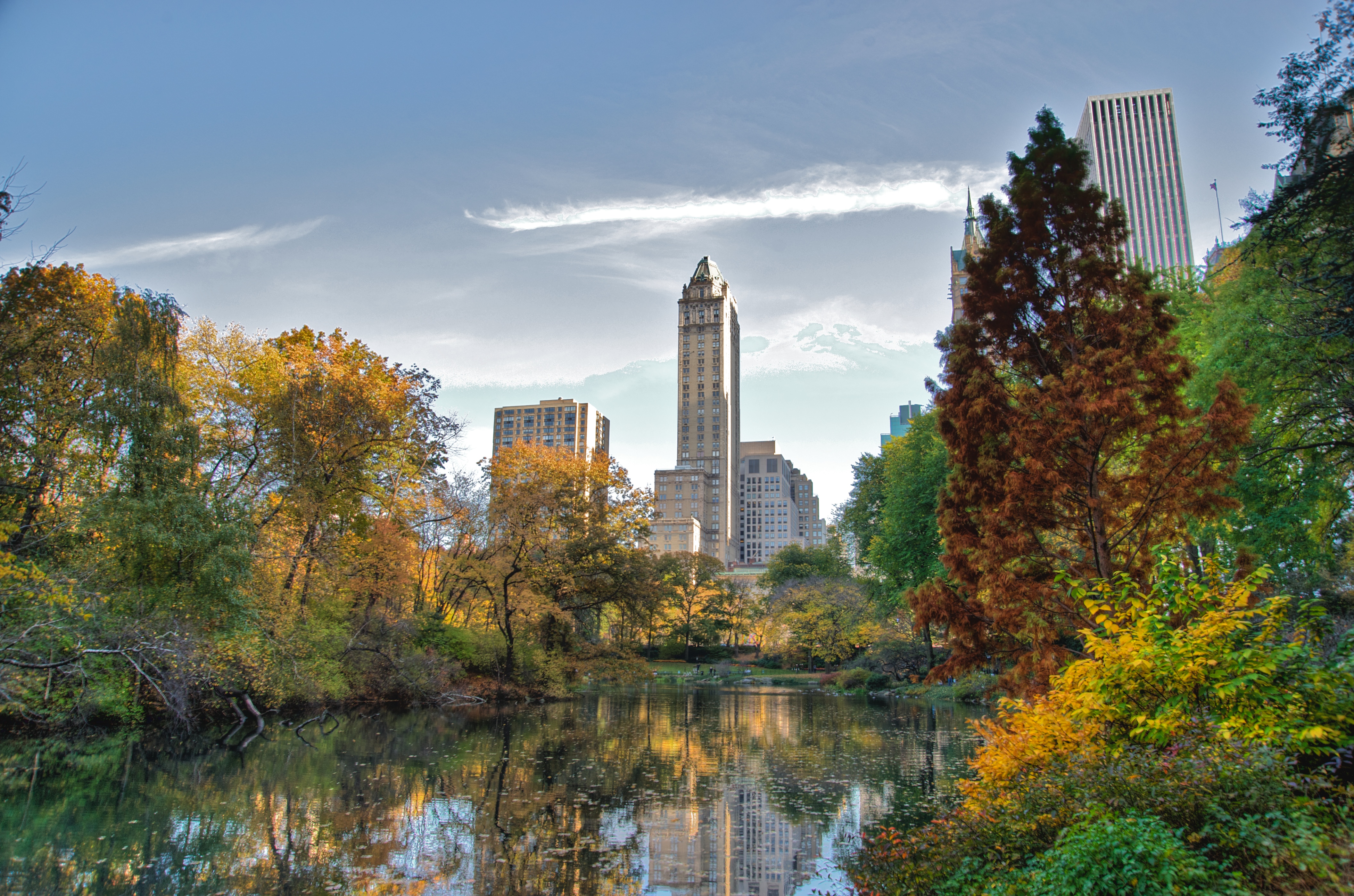
Key figures have shaped the trajectory of landscape design. The formalization of landscape architecture as a profession in the late 19th and early 20th centuries, with pioneers like Frederick Law Olmsted designing Central Park in New York City, further codified the discipline, distinguishing it from mere horticulture or gardening.
🌍 Cultural Impact & Influence
Landscape design has profoundly shaped human culture and perception of the environment. Early examples include the Hanging Gardens of Babylon, dating back to the 6th century BCE, and the intricate Roman villas with their formal gardens designed for contemplation and social display. The Renaissance in Europe, particularly in Italy, saw a resurgence of formal garden design, with figures like Leonardo da Vinci sketching innovative garden layouts and principles. Later, the English landscape garden movement of the 18th century, championed by designers like Lancelot 'Capability' Brown, rejected rigid symmetry for idealized, naturalistic scenes, profoundly influencing park design. The formalization of landscape architecture as a profession in the late 19th and early 20th centuries, with pioneers like Frederick Law Olmsted designing Central Park in New York City, further codified the discipline, distinguishing it from mere horticulture or gardening.
⚡ Current State & Latest Developments
The field is currently grappling with the urgent need for climate-resilient design solutions. This includes developing strategies for managing stormwater through green infrastructure like bioswales and permeable pavements, designing drought-tolerant landscapes using native and adaptive plants, and incorporating urban forestry to mitigate heat island effects. There's a significant push towards regenerative design, aiming to restore ecological functions and enhance biodiversity within designed landscapes. Digital tools, such as Revit, Lumion, and Geographic Information Systems (GIS), are increasingly sophisticated, allowing for more complex analysis and visualization. The integration of smart technology for irrigation and lighting control is also becoming standard practice.
🤔 Controversies & Debates
One of the most persistent debates revolves around the definition and boundaries of landscape design versus landscape architecture and garden design. Critics argue that the commercialization of landscape design can lead to the prioritization of aesthetics over ecological function, resulting in resource-intensive, non-native plantings. The ethical implications of designing landscapes in environmentally sensitive areas or for projects with significant ecological footprints are also points of contention. Furthermore, questions arise about accessibility and equity, as many high-profile, meticulously designed landscapes are privately owned or located in affluent areas, raising concerns about who benefits from these designed environments. The use of pesticides and synthetic fertilizers in maintaining designed landscapes also faces increasing scrutiny from environmental groups.
🔮 Future Outlook & Predictions
The future of landscape design is inextricably linked to addressing global environmental crises. Expect a greater emphasis on biomimicry in design, drawing inspiration from natural ecosystems to create self-sustaining and adaptive landscapes. The role of landscape designers will expand to include more direct involvement in ecological restoration and urban regeneration projects. Innovations in materials science may lead to new, sustainable hardscaping and planting mediums. Furthermore, as cities continue to grow, the demand for innovative urban planning solutions that integrate green spaces, improve air quality, and manage water will intensify, positioning landscape design as a critical discipline for future urban resilience and livability. The development of advanced virtual reality and augmented reality tools will also transform the design and client engagement process.
💡 Practical Applications
Landscape design has myriad practical applications across diverse scales. In urban settings, it's crucial for creating public parks, plazas, streetscapes, and green roofs that enhance livability and provide ecological services. For residential properties, it transforms backyards into functional outdoor living spaces, incorporating elements like patios, decks, water features, and planting beds tailored to client needs and site conditions. Commercial developments utilize landscape design to create inviting entrances, manage stormwater runoff, and improve aesthetic appeal. Large-scale infrastructure projects, such as highways and airports, incorporate landscape design for erosion control, visual sc
Key Facts
- Category
- aesthetics
- Type
- topic