
Contents
Overview
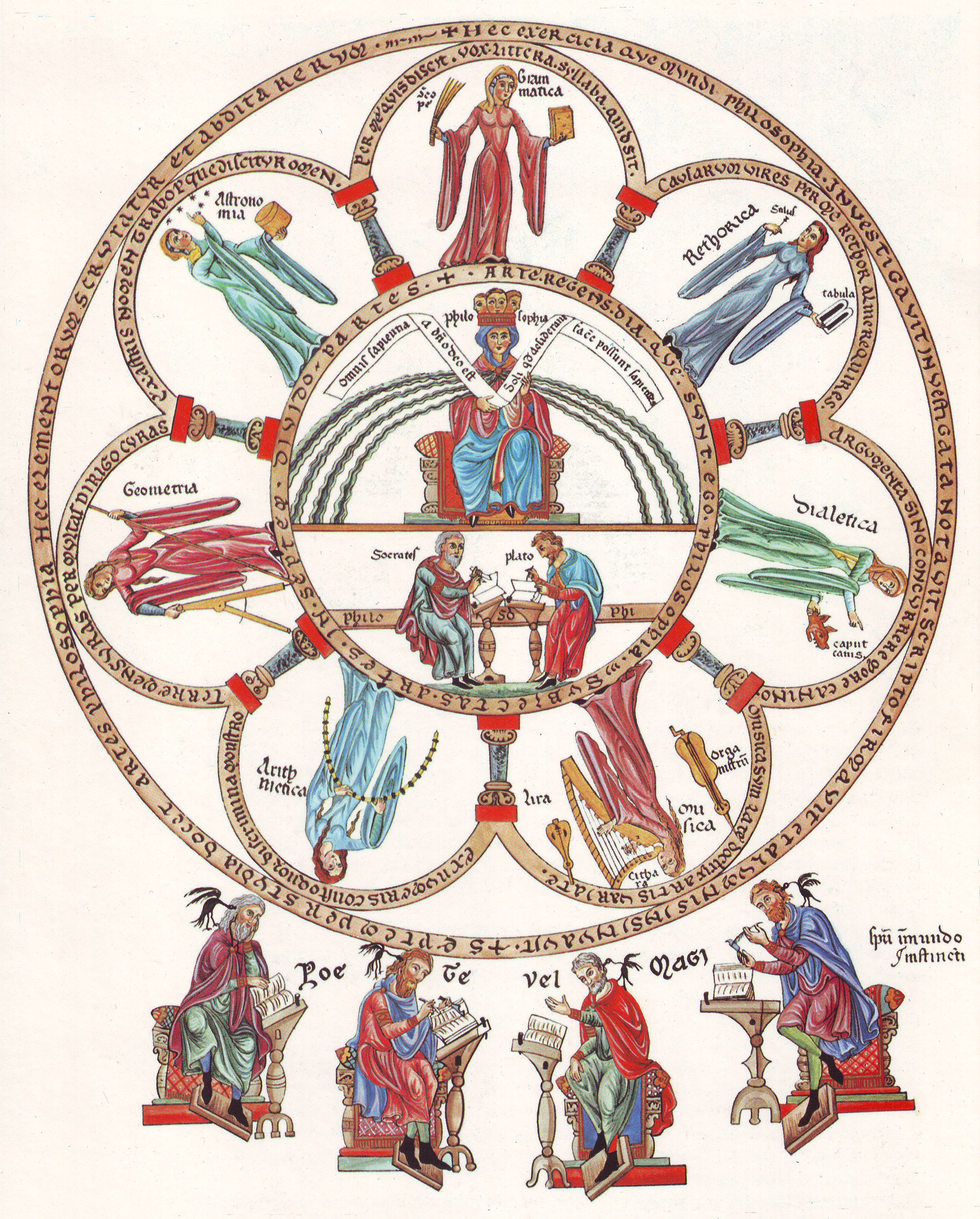
In classical Greece, liberal arts education was known as paideia, and in classical Rome, it was known as liberalis. The ancient Greeks, particularly figures like Plato in his Republic, envisioned an education for citizens that cultivated intellectual virtue and civic responsibility, moving beyond mere technical skills. During the Middle Ages, scholars in institutions like the University of Paris and University of Bologna preserved and transmitted the subjects of the seven liberal arts, which formed the core curriculum for centuries. The Renaissance and Enlightenment saw expansions and reinterpretations, but the fundamental idea of a broad, humanistic education remained central to the ideal of a well-rounded individual.
⚙️ How It Works
At its core, liberal arts education functions by exposing students to a wide array of disciplines, encouraging them to draw connections and develop analytical frameworks. Instead of specializing early, students in a liberal arts program typically fulfill general education requirements across fields like philosophy, literature, history, sociology, biology, and mathematics. This broad exposure is designed to foster critical thinking, effective communication (both written and oral), problem-solving skills, and an understanding of diverse perspectives. The emphasis is on learning how to learn, equipping graduates with the intellectual agility to adapt to new information and challenges throughout their lives, rather than mastering a single, potentially obsolete, trade.
📊 Key Facts & Numbers
Median salaries for liberal arts graduates often start lower than those in STEM fields, though long-term career trajectories can be highly variable.
👥 Key People & Organizations
Key figures instrumental in shaping liberal arts education include classical philosophers like Aristotle, who emphasized logic and empirical observation, and medieval scholars such as Peter Abelard, a proponent of dialectical reasoning. In the modern era, educators like John Dewey advocated for experiential learning and the integration of education with social reform, influencing pedagogical approaches. Institutions like Harvard University and Yale University were early adopters and disseminators of the liberal arts model in North America. More recently, organizations like the Association of American Colleges & Universities (AAC&U) actively promote and defend liberal education, publishing research and advocating for its continued importance.
🌍 Cultural Impact & Influence
The influence of liberal arts education permeates Western culture and beyond, shaping not only academic discourse but also societal values and individual worldviews. It has historically been the training ground for leaders in politics, law, and public service, fostering citizens equipped to engage with complex societal issues. The emphasis on critical analysis and diverse perspectives has informed journalism, activism, and the arts, encouraging deeper inquiry and challenging established norms. Many prominent figures in fields as varied as technology (e.g., Steve Jobs, who famously took a calligraphy class) and business credit their liberal arts background for fostering creativity and adaptability. The cultural resonance of liberal arts is evident in the enduring prestige of institutions that champion this educational philosophy.
⚡ Current State & Latest Developments
Enrollment in some traditional humanities programs has seen declines over the past decade, but there's a growing recognition of the transferable skills fostered by these disciplines, particularly in an era of rapid technological change. Universities are increasingly integrating interdisciplinary programs, data science minors, and experiential learning opportunities like internships and co-ops into liberal arts curricula. For example, many institutions are partnering with companies like Google to offer students exposure to AI and machine learning within broader humanistic frameworks. The debate over curriculum relevance remains fervent, pushing liberal arts programs to clearly articulate their value proposition in preparing students for a future of work that demands flexibility and broad understanding.
🤔 Controversies & Debates
The primary controversy surrounding liberal arts education centers on its perceived lack of direct vocational preparation in a job market increasingly demanding specialized technical skills. Critics, often citing statistics on graduate employment and starting salaries, argue that a broad education leaves graduates ill-equipped for immediate entry into high-paying professions compared to those with STEM or professional degrees. Conversely, proponents argue that the adaptability, critical thinking, and communication skills honed through liberal arts are precisely what employers seek for long-term career success and leadership roles, especially as automation threatens more specialized jobs. The debate is further complicated by rising tuition costs and student debt, leading to questions about the economic justification for pursuing a liberal arts degree.
🔮 Future Outlook & Predictions
The future of liberal arts education likely lies in its continued evolution and integration with emerging fields. We can anticipate more interdisciplinary programs that blend humanities with data science, artificial intelligence, and environmental studies, preparing students for complex, multi-faceted challenges. The emphasis will likely shift further towards cultivating adaptability, ethical reasoning, and cross-cultural competence, skills that are becoming increasingly valuable as global interconnectedness and technological disruption accelerate. Institutions that successfully demonstrate the tangible outcomes of liberal arts – such as enhanced problem-solving capabilities and leadership potential – will likely thrive. Projections suggest that by 2030, demand for critical thinking and complex problem-solving skills, hallmarks of liberal arts, will continue to outpace purely technical proficiencies in many sectors.
💡 Practical Applications
Liberal arts education finds practical application across a vast spectrum of careers and life situations. Graduates often pursue paths in fields such as law, journalism, education, public policy, non-profit management, marketing, and human resources. The analytical skills developed are crucial for roles requiring research, interpretation, and persuasive communication. For instance, a history major might excel as a policy analyst, while a philosophy graduate could find a niche in ethics consulting for technology firms developing artificial intelligence. Even in fields perceived as purely technical, like software development, the ability to understand user needs, communicate effectively with diverse teams, and consider the broader societal impact of technology – all fostered by liberal arts – is invaluable.
Key Facts
- Category
- culture
- Type
- topic