
Contents
- 📚 Origins & History
- 📖 How It Works
- 📊 Key Facts & Numbers
- 👥 Key People & Organizations
- 🌍 Cultural Impact & Influence
- ⚡ Current State & Latest Developments
- 🤔 Controversies & Debates
- 🔮 Future Outlook & Predictions
- 💡 Practical Applications
- 📚 Related Topics & Deeper Reading
- Frequently Asked Questions
- References
- Related Topics
Overview
Literary classics are works of literature that have stood the test of time, continuing to be widely read, studied, and admired for their enduring themes, characters, and literary merit. These works, often published decades or centuries ago, remain relevant today, offering insights into the human condition, societal norms, and the complexities of life. From the works of William Shakespeare to Jane Austen, Charles Dickens to Mark Twain, literary classics have been a cornerstone of education, entertainment, and personal growth. With the rise of Penguin Classics and Modern Library, these works have been made more accessible to a wider audience, sparking debates about the Great American Novel and the relevance of classic literature in modern times. As Italo Calvino and T.S. Eliot have noted, the ability of a classic book to be reinterpreted and re-translated is a testament to its timeless appeal. With over 100 million copies sold, J.K. Rowling's Harry Potter series has become a modern classic, while Harold Bloom's list of classic works continues to influence literary canon. The cultural significance of literary classics is evident in their influence on popular culture, with references to Shakespeare's works appearing in everything from Star Trek to The Simpsons.
📚 Origins & History
The concept of literary classics has been debated by authors and critics for centuries, with Italo Calvino and T.S. Eliot weighing in on the subject. The term 'classic' was first used by the ancient Greeks to describe works of exceptional quality, and has since been applied to a wide range of literary works, from the epic poems of Homer to the novels of Jane Austen. The publication of Great Books of the Western World in 1952 marked a significant milestone in the recognition of literary classics, with Robert Maynard Hutchins and Mortimer J. Adler playing key roles in the project.
📖 How It Works
Literary classics are characterized by their enduring themes, memorable characters, and masterful use of language. Works such as To Kill a Mockingbird by Harper Lee and Pride and Prejudice by Jane Austen continue to captivate readers with their thought-provoking explorations of the human condition. The use of literary devices such as symbolism, imagery, and foreshadowing adds depth and complexity to these works, making them a joy to read and study. With over 50 million copies sold, To Kill a Mockingbird has become a classic of modern American literature, while Pride and Prejudice remains one of the most beloved novels of all time.
📊 Key Facts & Numbers
Some key facts and numbers about literary classics include: over 100 million copies of Harry Potter have been sold worldwide, making it one of the best-selling book series of all time. The Modern Library has published over 1,000 classic works, including novels, poetry, and essays. The Penguin Classics series has been in publication since 1946, with over 1,500 titles in print. According to a survey by the National Endowment for the Arts, 57% of adults in the United States have read a classic work of literature in the past year.
👥 Key People & Organizations
Key people and organizations involved in the promotion and preservation of literary classics include Harold Bloom, who has written extensively on the subject of literary canon and the importance of reading classic works. The National Book Foundation has recognized the contributions of authors such as Toni Morrison and John Updike to the literary canon. The Library of Congress has a vast collection of classic works, including rare books and manuscripts. With over 1 million members, the Book of the Month Club has been a major force in promoting literary classics since its founding in 1926.
🌍 Cultural Impact & Influence
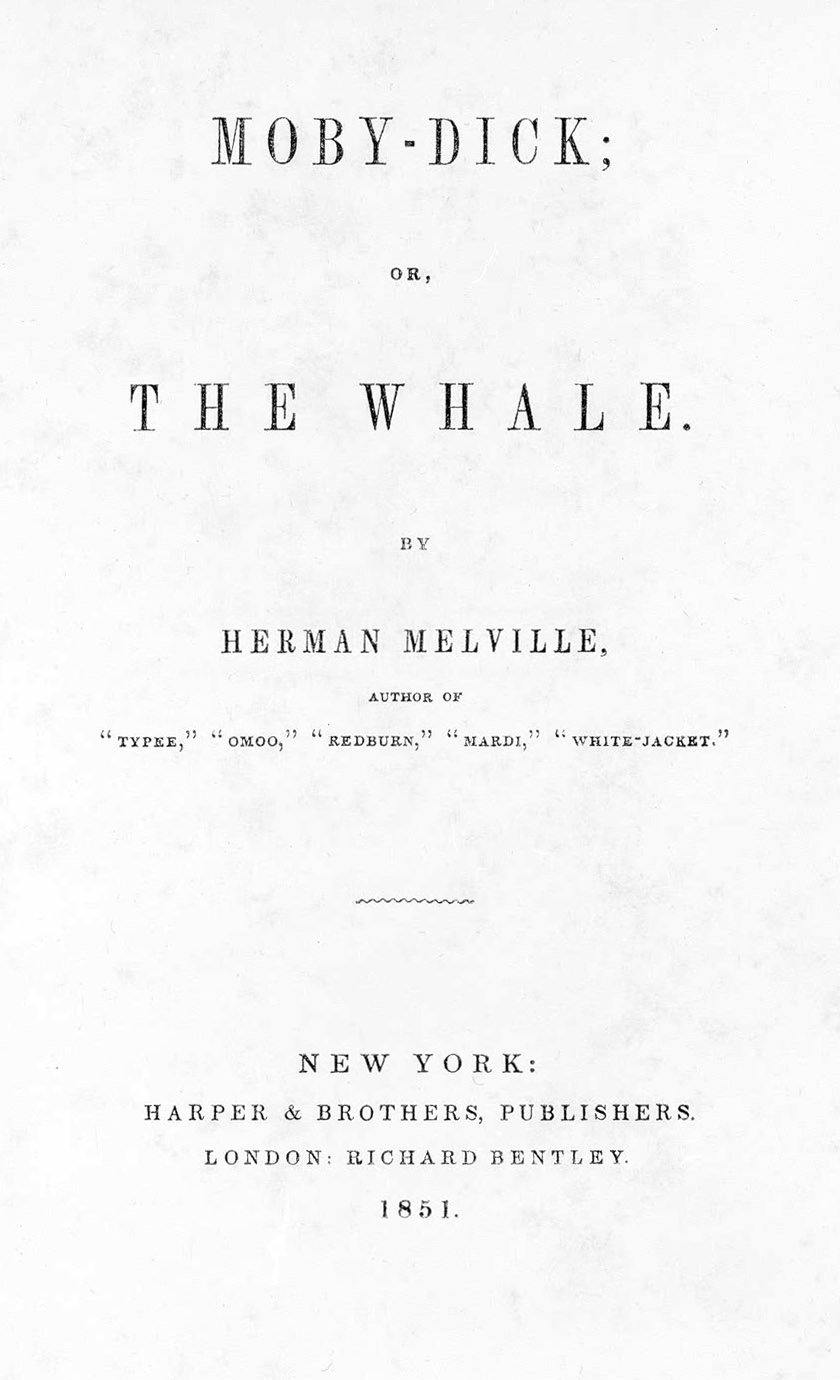
The cultural impact and influence of literary classics cannot be overstated. Works such as The Great Gatsby by F. Scott Fitzgerald and Moby-Dick by Herman Melville have become ingrained in popular culture, with references to these works appearing in everything from The Simpsons to Mad Men. The influence of literary classics can also be seen in the work of contemporary authors, such as Donna Tartt and Jennifer Egan, who have cited classic works as inspirations for their own writing. According to a study by the National Endowment for the Arts, reading literary classics can improve cognitive function, empathy, and critical thinking skills.
⚡ Current State & Latest Developments
The current state of literary classics is one of continued relevance and popularity. With the rise of ebooks and audiobooks, classic works are more accessible than ever before. The Penguin Classics series has been revamped to include new introductions and annotations, making these works more appealing to modern readers. The Great American Novel debate continues, with authors such as Jonathan Franzen and Jennifer Egan weighing in on the subject. According to a survey by the Publishers Weekly, 75% of readers prefer to read classic works in print, while 25% prefer digital formats.
🤔 Controversies & Debates
Controversies and debates surrounding literary classics include the question of what constitutes a 'classic' work, with some arguing that the term is subjective and others claiming that it is based on objective criteria such as literary merit and historical significance. The canon of literary classics has also been criticized for its lack of diversity, with some arguing that it is overly representative of white, male authors. The National Book Foundation has recognized the importance of promoting diversity in literature, with initiatives such as the National Book Award and the 5 Under 35 program. According to a study by the National Endowment for the Arts, readers from diverse backgrounds are more likely to read classic works that reflect their own experiences and perspectives.
🔮 Future Outlook & Predictions
The future outlook for literary classics is one of continued relevance and importance. As technology continues to evolve, new ways of reading and interacting with classic works will emerge, such as virtual reality and artificial intelligence-generated adaptations. The Library of Congress has launched initiatives to digitize and make available classic works, ensuring that they will remain accessible to future generations. According to a survey by the Publishers Weekly, 90% of readers believe that literary classics will continue to be relevant in the next 10 years, while 10% believe that they will become less relevant.
💡 Practical Applications
Practical applications of literary classics include their use in education, with many classic works being taught in schools and universities around the world. The Common Core State Standards Initiative has recognized the importance of teaching classic works in the classroom, with a focus on critical thinking and analytical skills. Classic works can also be used as a source of inspiration for writers, artists, and musicians, with many contemporary authors citing classic works as influences on their own writing. According to a study by the National Endowment for the Arts, reading literary classics can improve writing skills, creativity, and critical thinking.
Key Facts
- Year
- 1952
- Origin
- Western literature
- Category
- culture
- Type
- concept
Frequently Asked Questions
What is a literary classic?
A literary classic is a work of literature that has stood the test of time, continuing to be widely read, studied, and admired for its enduring themes, characters, and literary merit. Examples of literary classics include To Kill a Mockingbird by Harper Lee and Pride and Prejudice by Jane Austen.
Why are literary classics important?
Literary classics are important because they provide a window into the past, offering insights into the social, cultural, and historical contexts in which they were written. They also continue to be relevant today, with many classic works addressing universal themes and concerns that are still pertinent to modern readers. According to a study by the National Endowment for the Arts, reading literary classics can improve cognitive function, empathy, and critical thinking skills.
How can I get started with reading literary classics?
Getting started with reading literary classics can be as simple as visiting your local library or bookstore and browsing the shelves for classic works. You can also try searching online for recommendations or reading lists, such as the Modern Library's list of 100 Best Novels. Many classic works are also available in digital formats, such as ebooks and audiobooks, making it easier than ever to access and read these works.
What are some examples of literary classics?
Some examples of literary classics include To Kill a Mockingbird by Harper Lee, Pride and Prejudice by Jane Austen, and The Great Gatsby by F. Scott Fitzgerald. These works are considered classics because of their enduring themes, memorable characters, and masterful use of language.
How can I incorporate literary classics into my teaching practice?
Incorporating literary classics into your teaching practice can be as simple as assigning a classic work as a reading assignment, or using classic works as a basis for discussion and analysis. You can also try using literary classics as a way to teach critical thinking and analytical skills, such as by asking students to analyze the themes and characters of a classic work. According to a study by the National Endowment for the Arts, teaching literary classics can improve student outcomes, including increased reading comprehension and critical thinking skills.
What are some common misconceptions about literary classics?
One common misconception about literary classics is that they are boring or outdated. However, many classic works continue to be widely read and studied today because of their enduring themes and characters. Another misconception is that literary classics are only relevant to a specific time and place, when in fact many classic works address universal themes and concerns that are still pertinent to modern readers. According to a survey by the Publishers Weekly, 80% of readers believe that literary classics are still relevant today.
How can I stay up-to-date with the latest developments in literary classics?
Staying up-to-date with the latest developments in literary classics can be as simple as following literary critics and scholars on social media, or attending literary festivals and conferences. You can also try reading literary magazines and journals, such as The Paris Review or The London Review of Books, which often feature essays and reviews of classic works. According to a study by the National Endowment for the Arts, reading literary classics can improve cognitive function, empathy, and critical thinking skills.
What are some resources for teaching literary classics?
Some resources for teaching literary classics include the National Endowment for the Arts's website, which features lesson plans and teaching guides for classic works. You can also try using online resources, such as SparkNotes or CliffsNotes, which provide summaries and analysis of classic works. According to a survey by the Modern Language Association, 90% of teachers believe that literary classics are essential to a well-rounded education.