
Contents
Overview
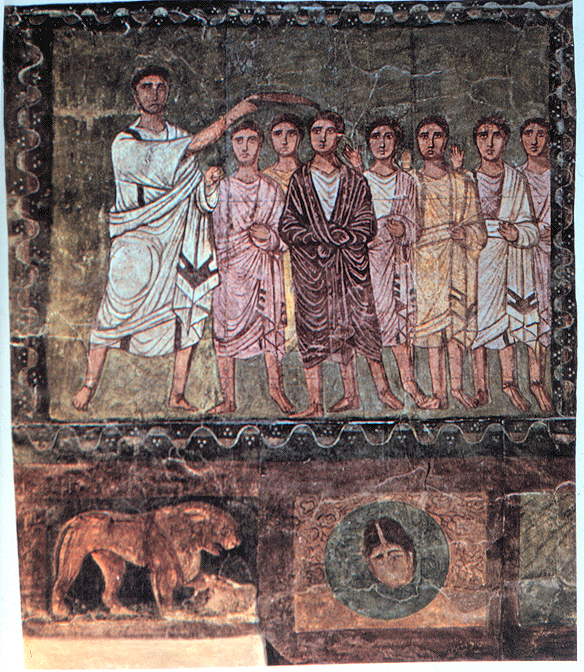
The term 'messiah' originates from the Hebrew word 'mashiach' (מָשִׁיחַ), meaning 'anointed one.' This anointing ritual, typically involving consecrated olive oil, was historically performed on kings and high priests in ancient Israel to signify their divine selection and consecration for their roles, as documented in texts like the Hebrew Bible. The concept of a messianic age, a utopian period of divine favor and global harmony, became intrinsically linked to the arrival of the messiah.
⚙️ Theological Frameworks
The Christ is from the Greek 'Christos,' a translation of 'mashiach.' Jesus will return alongside the Mahdi to combat evil.
📊 Key Figures & Prophecies
Islamic tradition describes Jesus's return and the Mahdi's appearance as signs of the end times, preparing the world for the final judgment. The specific characteristics and anticipated deeds of the messianic figure vary, but the core idea of a divinely appointed agent of salvation and redemption remains consistent across these traditions.
👥 Messianic Movements & Claims
Throughout history, numerous individuals have been proclaimed or have claimed to be the messiah, often leading to significant social and religious movements. The concept of a messiah has also inspired various millenarian movements and cults across different cultures, demonstrating the enduring human desire for a transformative leader and a promised future.
🌍 Cultural Impact & Influence
The messianic concept has profoundly shaped Western civilization and beyond, influencing art, literature, philosophy, and political thought. The figure of the messiah is central to Christian iconography and theology, inspiring countless works of art, music, and literature, from Michelangelo's David to Handel's Messiah. The idea of a redemptive figure has also permeated secular ideologies, influencing concepts of revolutionary leaders, political saviors, and societal transformation. The enduring power of the messianic narrative lies in its articulation of hope, justice, and the possibility of overcoming profound suffering and injustice, resonating across diverse cultural and historical contexts.
⚡ Modern Interpretations & Debates
In contemporary times, the concept of the messiah continues to be reinterpreted and debated. While traditional religious understandings persist, secular interpretations of messianism have emerged, applying the idea of a transformative savior to political leaders, technological innovators, or even artistic movements. The rise of figures like Elon Musk, often hailed with messianic fervor for their perceived ability to solve global problems through innovation, reflects a secularized yearning for a savior. The ongoing debate about the Second Coming of Christ in Christianity and the anticipation of the Mahdi in Islam highlight the continued vitality of these eschatological beliefs.
🤔 Controversies & Skepticism
The very notion of a messiah is not immune to controversy. Messianic claims have often led to conflict and disillusionment, as seen in the aftermath of movements that did not fulfill expectations. Skeptics question the historical basis of messianic prophecies and the literal interpretation of divine intervention, often attributing messianic phenomena to psychological needs, social unrest, or deliberate manipulation. The debate over whether a messiah is a literal divine being or a symbolic representation of humanity's highest aspirations remains a central point of contention.
🔮 Future Outlook
The future outlook for messianism is complex, marked by both enduring faith and evolving interpretations. Within religious traditions, the anticipation of a messianic arrival or the Messianic Age continues to be a source of hope and theological reflection, with ongoing scholarly and devotional engagement. In secular spheres, the archetype of the messiah may continue to be projected onto influential figures or transformative technologies, reflecting a persistent human desire for radical positive change. However, the increasing secularization in many parts of the world and the rise of critical thinking may also lead to a decline in literal messianic beliefs, favoring more metaphorical or symbolic understandings. The potential for new messianic movements to emerge, particularly in times of global crisis or rapid societal upheaval, remains a distinct possibility.
💡 Messianism in Secular Contexts
Beyond its religious context, the 'messiah' archetype finds resonance in secular thought, often applied metaphorically to individuals or forces perceived as capable of enacting profound positive change. Figures in politics, science, or business who promise radical solutions to pressing global issues—such as climate change, poverty, or disease—can inadvertently attract messianic followings. For instance, the widespread belief in artificial intelligence as a potential panacea for humanity's problems, or th
Key Facts
- Category
- culture
- Type
- topic