
Contents
- 🎵 Origins & History
- ⚙️ How It Works
- 📊 Key Facts & Numbers
- 👥 Key People & Organizations
- 🌍 Cultural Impact & Influence
- ⚡ Current State & Latest Developments
- 🤔 Controversies & Debates
- 🔮 Future Outlook & Predictions
- 💡 Practical Applications
- 📚 Related Topics & Deeper Reading
- Frequently Asked Questions
- References
- Related Topics
Overview
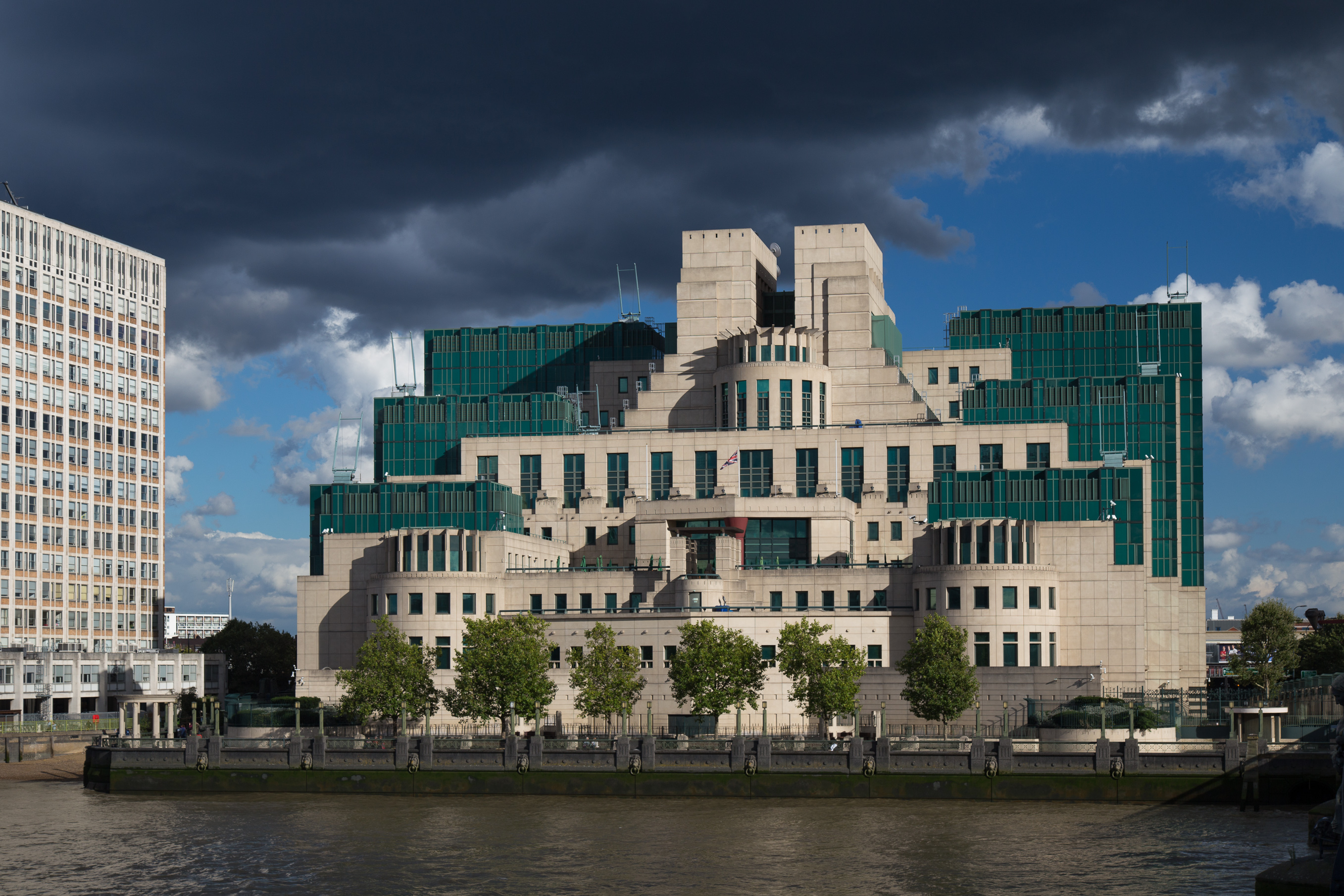
MI6, officially known as the Secret Intelligence Service (SIS), is the United Kingdom's primary foreign intelligence agency, responsible for covertly collecting and analyzing human intelligence on foreign nationals and organizations. Established in 1909 as part of the Secret Service Bureau, its operational mandate expanded significantly during World War I, and it was commonly referred to as MI6 during World War II. For decades, its existence was officially unacknowledged until the Intelligence Services Act 1994 formally recognized and legislated its role. Headquartered in the distinctive SIS Building at Vauxhall Cross, London, MI6 operates under the purview of the Foreign Secretary and is a crucial component of the Five Eyes intelligence-sharing alliance. Its operations focus on safeguarding British national security and foreign policy interests through clandestine means, often involving deep cover agents and complex international operations.
🎵 Origins & History
The genesis of MI6 can be traced back to 1909 with the formation of the Foreign Section of the Secret Service Bureau, a nascent organization aimed at countering German espionage. This early iteration was spearheaded by Mansfield Smith-Cumming, who would become its first Chief, adopting the codename 'C'. The outbreak of World War I dramatically accelerated the need for and scope of foreign intelligence, leading to a significant expansion of the Foreign Section's activities. By the time of World War II, the service was widely known by the military designation MI6 (Military Intelligence, Section 6), a label that stuck despite the organization's official name remaining the Secret Intelligence Service. The formal, statutory recognition of SIS did not occur until 1994 with the passage of the Intelligence Services Act 1994, bringing an end to decades of official ambiguity regarding its existence and operations.
⚙️ How It Works
MI6's operational methodology centers on the clandestine collection of human intelligence (HUMINT) from foreign territories. This involves recruiting and managing agents, often foreign nationals, who can provide access to sensitive information. The collected intelligence is then analyzed by skilled analysts to assess threats, opportunities, and inform British foreign policy and national security decisions. The agency works in close cooperation with domestic intelligence agencies like MI5 and international partners, most notably the Five Eyes network, which includes the United States, Canada, Australia, and New Zealand. Operations are conducted with extreme discretion, often employing advanced tradecraft and secure communication methods to maintain secrecy and agent safety. The agency's mandate extends to counter-terrorism, counter-proliferation, and cyber intelligence, often operating in politically volatile regions.
📊 Key Facts & Numbers
Since its inception in 1909, MI6 has grown into a formidable intelligence apparatus. The agency employs approximately 2,500 officers, a figure that has remained relatively stable since the early 2000s. Its annual budget, while not publicly disclosed, is estimated to be in the hundreds of millions of pounds, funded through parliamentary votes for the Foreign, Commonwealth and Development Office. MI6 operates in over 100 countries worldwide, a testament to its global reach and the pervasive nature of modern intelligence gathering. The agency's success is often measured by the quality and timeliness of the intelligence it provides, which has been credited with averting numerous terrorist attacks and informing critical foreign policy decisions, such as those related to the Iraq War and the Syrian Civil War.
👥 Key People & Organizations
The foundational figure for MI6 is Sir Mansfield Smith-Cumming, its first Chief of Secret Intelligence. More recently, Alex Younger served as Chief ('C') from 2014 to 2020, overseeing significant modernization efforts. The current Chief, Richard Moore, assumed the role in September 2020. MI6 operates under the political oversight of the Foreign, Commonwealth and Development Office (FCDO), with the Foreign Secretary holding ultimate accountability. Key partner organizations include MI5 (domestic security), the Government Communications Headquarters (GCHQ) for signals intelligence, and the Defence Intelligence agency. Internationally, its closest collaborators are within the Five Eyes intelligence-sharing consortium, particularly the CIA and the NSA of the United States.
🌍 Cultural Impact & Influence
MI6's clandestine nature has made it a potent, albeit often unseen, force in popular culture, most famously through the character of James Bond. Ian Fleming's iconic spy, a fictional MI6 agent, has shaped global perceptions of espionage, imbuing it with glamour, high-stakes action, and sophisticated gadgetry. While Bond is a work of fiction, his adventures often reflect, albeit exaggeratedly, the types of global threats and operational environments MI6 navigates. Beyond Bond, MI6 has been depicted in numerous films, books, and television series, contributing to a broader cultural fascination with intelligence work. The agency's official acknowledgment in 1994 also spurred increased public interest and academic study into its history and operations, moving it from pure speculation to a subject of documented historical inquiry.
⚡ Current State & Latest Developments
In recent years, MI6 has increasingly focused on emerging threats, including cyber warfare, disinformation campaigns, and the proliferation of weapons of mass destruction. The agency has publicly acknowledged the growing importance of cyber intelligence, working alongside GCHQ to counter state-sponsored cyber attacks and protect critical national infrastructure. Furthermore, MI6 is actively engaged in countering terrorism, particularly in regions experiencing instability, and is adapting its methods to address the challenges posed by non-state actors and sophisticated terrorist networks. The agency has also emphasized the need for greater diversity and inclusion within its ranks, seeking to recruit officers from a wider range of backgrounds to better reflect the global landscape it operates within. The ongoing war in Ukraine has undoubtedly placed significant demands on MI6's foreign intelligence capabilities, requiring close monitoring of Russian activities and support for allied intelligence efforts.
🤔 Controversies & Debates
MI6 has faced significant controversies throughout its history, often stemming from the inherent secrecy of its operations. Allegations of complicity in extraordinary rendition programs following the 9/11 attacks have drawn considerable criticism, particularly concerning the agency's alleged role in the detention and interrogation of suspects by partner nations. The agency's intelligence assessments regarding weapons of mass destruction in Iraq prior to the 2003 invasion also came under intense scrutiny and debate, with subsequent inquiries highlighting potential flaws in intelligence analysis. Furthermore, historical operations, such as those conducted during the Cold War, have been subject to declassification and critical review, revealing ethically complex actions and operational failures. The balance between operational secrecy and public accountability remains a persistent tension for MI6.
🔮 Future Outlook & Predictions
The future of MI6 will likely be defined by its ability to adapt to an increasingly complex and interconnected global threat landscape. Expect a continued emphasis on technological advancement, particularly in the realms of cyber intelligence, artificial intelligence, and data analysis, to process the vast amounts of information generated globally. The agency will also need to navigate the evolving geopolitical landscape, with rising tensions between major powers and the persistent threat of terrorism. Recruitment and retention of skilled personnel, especially those with expertise in emerging technologies and diverse linguistic capabilities, will be critical. MI6 may also see its role in countering foreign interference and disinformation campaigns grow, working more closely with domestic agencies and international partners to protect democratic processes. The agency's ability to maintain operational effectiveness while adhering to evolving legal and ethical standards will be paramount.
💡 Practical Applications
MI6's core function is the collection and analysis of foreign intelligence to support British government policy and national security. This translates into practical applications such as providing early warnings of terrorist plots, identifying and disrupting proliferation networks for weapons of mass destruction, and informing diplomatic negotiations by offering insights into the intentions and capabilities of foreign states. The intelligence gathered by MI6 is crucial for decision-making in areas ranging from international trade and sanctions to military deployments and crisis management. For instance, intelligence on hostile state activity can inform cyber security policies and defensive measures. The agency's work directly impacts the UK's ability to project influence and protect its interests on the global stage, often operating in the background to prevent crises before they erupt.
Key Facts
- Year
- 1909
- Origin
- United Kingdom
- Category
- organizations
- Type
- organization
Frequently Asked Questions
What is the primary mission of MI6?
MI6's primary mission is the clandestine collection and analysis of human intelligence on foreign nationals and organizations to support British national security and foreign policy objectives. This involves operating covertly overseas to gather information on threats such as terrorism, proliferation of weapons of mass destruction, and hostile state activities. The intelligence provided by MI6 informs high-level government decisions and helps protect the UK's interests globally. Their work is crucial for anticipating and mitigating international security challenges before they impact the United Kingdom.
How does MI6 maintain secrecy?
MI6 maintains secrecy through a combination of operational security, agent handling protocols, and a culture of discretion. Agents often operate under deep cover, using false identities and maintaining plausible deniability for extended periods. The agency employs sophisticated tradecraft, secure communication channels, and rigorous vetting processes for its personnel. Furthermore, the historical lack of official acknowledgment until 1994, and the continued classification of its specific operations, are key to its operational security. This secrecy is essential for protecting agents, sources, and the integrity of ongoing intelligence gathering efforts.
What is the relationship between MI6 and James Bond?
James Bond is a fictional character created by Ian Fleming, who served in British Naval Intelligence during World War II. While Bond is a celebrated fictional agent of MI6, his exploits are highly dramatized and do not reflect the day-to-day reality of intelligence work. However, the character has significantly shaped the public's perception of MI6, associating it with glamour, high-stakes action, and sophisticated espionage. Fleming's experiences and observations likely informed some aspects of the fictional portrayal, but Bond's adventures are primarily entertainment, not documentary.
How is MI6 accountable?
MI6 is accountable to the British Parliament and the public through the Foreign Secretary, who is the political head of the Foreign, Commonwealth and Development Office. The Intelligence Services Act 1994 provides a statutory basis for its operations and oversight. Parliamentary committees, such as the Intelligence and Security Committee of Parliament (ISC), review the activities of MI6 and other intelligence agencies. While specific operations remain classified, the agency's budget and general activities are subject to scrutiny, ensuring a degree of transparency and adherence to legal frameworks, despite the inherent secrecy of its work.
What are the main challenges facing MI6 today?
MI6 faces numerous challenges in the 21st century, including the rapid evolution of technology, the rise of sophisticated cyber threats, and the increasing complexity of geopolitical landscapes. Countering disinformation campaigns and foreign interference in democratic processes are growing priorities. The agency must also adapt to the changing nature of conflict, dealing with non-state actors and hybrid warfare tactics. Furthermore, recruiting and retaining a diverse and skilled workforce capable of navigating these complex challenges, while maintaining operational security and adhering to evolving ethical standards, remains a constant endeavor. The sheer volume of global data also presents a significant challenge in terms of analysis and actionable intelligence extraction.
Where does MI6 get its intelligence?
MI6 primarily gathers intelligence through human sources, a discipline known as HUMINT. This involves recruiting and managing agents, often foreign nationals with access to sensitive information, who provide insights into the intentions, capabilities, and plans of foreign governments, terrorist groups, and other entities. Beyond HUMINT, MI6 also collaborates closely with GCHQ for signals intelligence (SIGINT) and other intelligence agencies within the Five Eyes network to share and analyze information from various sources, including open-source intelligence (OSINT) and imagery intelligence (IMINT).
Has MI6 ever been involved in controversial operations?
Yes, MI6 has been involved in several controversial operations throughout its history. Notable examples include its alleged role in extraordinary rendition programs following the 9/11 attacks, which raised significant human rights concerns. The intelligence provided by MI6 regarding weapons of mass destruction in Iraq prior to the 2003 invasion was also a subject of intense debate and criticism. Historical operations during the Cold War have also come under scrutiny for their ethical implications and effectiveness. These controversies highlight the inherent difficulties in balancing national security imperatives with legal and ethical considerations in the realm of clandestine intelligence gathering.