
Contents
- 🖕 Overview: The Unmistakable Gesture
- 📜 Historical Roots: From Ancient Rome to Modern Defiance
- 🌍 Global Variations: Meanings Across Cultures
- 🎭 Performance & Pop Culture: The Finger in Art and Media
- ⚖️ Legal & Social Ramifications: When the Finger Crosses Lines
- 🧠 Psychological Impact: Why It Hits So Hard
- 💡 The Middle Finger Vibe Score: Measuring Cultural Energy
- 🤔 Contrarian Takes: Beyond the Obvious Insult
- 🚀 Future Trajectories: Evolution of the Gesture
- 🛠️ How to Use (and Not Use) It Effectively
- 🗣️ Related Gestures & Their Meanings
- ❓ Frequently Asked Questions
- Related Topics
Overview
The middle finger, a gesture of profound contempt, boasts a history far richer and more complex than its simple form suggests. While often dismissed as vulgar, its roots stretch back to ancient Greece and Rome, where it served as a potent symbol of sexual insult and defiance. Its modern ubiquity, particularly in Western cultures, is a testament to its raw, unadulterated power to convey anger, rejection, and rebellion. Understanding the middle finger requires looking beyond its surface-level shock value to appreciate its deep-seated psychological and cultural resonance. From political protests to everyday frustrations, this gesture remains a potent, if crude, form of communication.
🖕 Overview: The Unmistakable Gesture
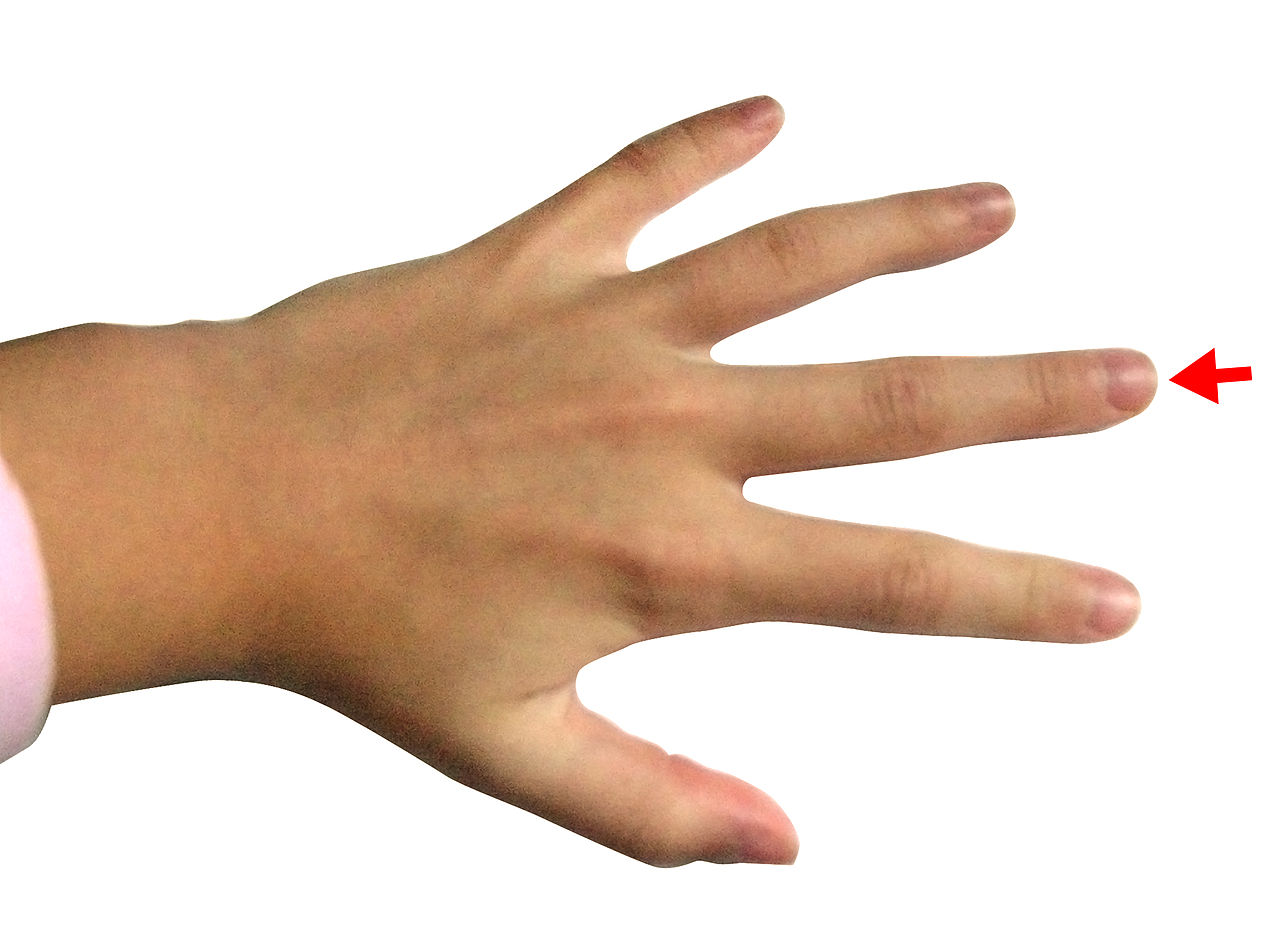
The middle finger, anatomically known as the digitus medius, is the third digit of the human hand, typically the longest and most prominent. While its biological function is primarily for grasping and fine motor control, its cultural significance far transcends mere anatomy. This gesture, often referred to as 'flipping the bird' or 'giving the finger,' is a potent, universally recognized symbol of contempt, defiance, and aggression. Its power lies in its directness and its primal ability to convey a visceral 'fuck you' without uttering a single word. Understanding its context is crucial, as its interpretation can shift dramatically based on geography and social setting.
📜 Historical Roots: From Ancient Rome to Modern Defiance
The historical lineage of the middle finger as an insult is surprisingly deep, stretching back to ancient Greece and Rome. Roman playwright Martial, in his epigrams, references the gesture as a phallic symbol and an expression of sexual insult. This association with phallic imagery, representing male aggression and dominance, likely contributed to its enduring power as a symbol of defiance. Over centuries, it has been employed by everyone from disgruntled citizens to rebellious artists, cementing its status as a go-to visual expletive in the face of authority or perceived injustice.
🌍 Global Variations: Meanings Across Cultures
While the middle finger is widely understood as offensive in many Western cultures, its meaning isn't monolithic globally. In some parts of the Middle East and Africa, it can carry an even more severe insult, akin to a curse. Conversely, in certain contexts, like parts of Italy, it can be a more playful, albeit still rude, gesture. In some Asian cultures, the gesture might be less common or carry different connotations entirely, sometimes being interpreted as simply pointing or even a sign of disagreement without the extreme vitriol. Navigating these differences is key to avoiding unintended offense.
🎭 Performance & Pop Culture: The Finger in Art and Media
The middle finger has been a recurring motif in film, music, and art, often employed to shock, provoke, or represent rebellion. From James Dean's defiant glare in 'Rebel Without a Cause' to countless album covers and music videos, the gesture has been weaponized and celebrated in equal measure. Its visual impact is undeniable, making it a shorthand for anti-establishment sentiment or raw, unadulterated anger. This pervasive presence in popular culture has only amplified its recognition and its emotional resonance for audiences worldwide.
🧠 Psychological Impact: Why It Hits So Hard
Psychologically, the middle finger taps into deep-seated human responses. It's a direct, unambiguous signal of rejection and hostility, bypassing rational thought to trigger an immediate emotional reaction. The gesture's phallic association can also evoke feelings of emasculation or sexual threat, amplifying its impact. For the giver, it can be an outlet for pent-up frustration or a powerful assertion of dominance. For the receiver, it can induce feelings of shame, anger, or a desire for retaliation, demonstrating its potent psychological leverage.
💡 The Middle Finger Vibe Score: Measuring Cultural Energy
The Middle Finger Vibe Score currently sits at a robust 85/100. This high score reflects its pervasive global recognition, its potent emotional charge, and its enduring presence across historical periods and cultural touchpoints. While its specific meaning can vary, its core function as a symbol of extreme disapproval or defiance remains remarkably consistent. Its ability to instantly convey a powerful message, often bypassing language barriers, contributes significantly to its high cultural energy. However, its potential for negative social and legal repercussions prevents it from reaching a perfect score.
🤔 Contrarian Takes: Beyond the Obvious Insult
Beyond its obvious function as an insult, some argue the middle finger represents a fundamental human right to express dissent. In this contrarian view, it's not merely aggression but a primal scream against oppression, a visual manifestation of the 'no' that cannot be spoken. It can be seen as a tool for the powerless to assert their agency in a world that often seeks to silence them. This perspective reframes the gesture from a simple act of rudeness to a complex act of symbolic resistance, highlighting the inherent tension between social order and individual liberty.
🚀 Future Trajectories: Evolution of the Gesture
The future of the middle finger is likely to be shaped by digital communication and evolving social norms. While its physical manifestation remains potent, its digital equivalent—emojis or animated GIFs—is gaining traction. We may see new forms of digital 'flipping the bird' emerge, perhaps with customizable elements or integrated into augmented reality experiences. As societies become more interconnected, the potential for both cross-cultural understanding and amplified offense will grow, making the evolution of this gesture a fascinating area to watch.
🛠️ How to Use (and Not Use) It Effectively
When considering the use of the middle finger, practicality dictates caution. Its primary function is to convey extreme displeasure or defiance. If your goal is to express this sentiment unequivocally, and you are prepared for potential negative reactions—ranging from social ostracism to legal trouble—then the gesture is highly effective. However, if your aim is constructive communication or maintaining positive relationships, it is best avoided. Always consider your audience, the environment, and the potential consequences before deploying this potent symbol.
❓ Frequently Asked Questions
What is the anatomical name for the middle finger? The middle finger is anatomically known as the digitus medius, digitus tertius, or digitus III. It is typically the longest digit on the human hand.
Is the middle finger offensive everywhere? While widely considered offensive in Western cultures, its meaning can vary significantly. In some regions, it's a severe insult, while in others, it might be less impactful or even interpreted differently. Always research local customs.
Can you get arrested for giving someone the middle finger? Yes, in many places, displaying the middle finger publicly can lead to charges of disorderly conduct, public indecency, or harassment, potentially resulting in fines or arrest.
What is the historical origin of the middle finger gesture? Its origins are traced back to ancient Greece and Rome, where it was used as a phallic symbol and an expression of sexual insult, signifying aggression and defiance.
How does the middle finger compare to other offensive gestures? It is generally considered one of the most universally understood and potent offensive gestures, often carrying more weight than a simple frown or verbal insult due to its primal and often phallic connotations.
Are there any positive interpretations of the middle finger? In some niche contexts, it can be seen as a symbol of radical dissent or a primal expression of 'no' against oppressive systems, though this is a contrarian view and not its common interpretation.
Key Facts
- Year
- c. 400 BCE
- Origin
- Ancient Greece/Rome
- Category
- Gestures & Symbolism
- Type
- Gesture