
Contents
Overview
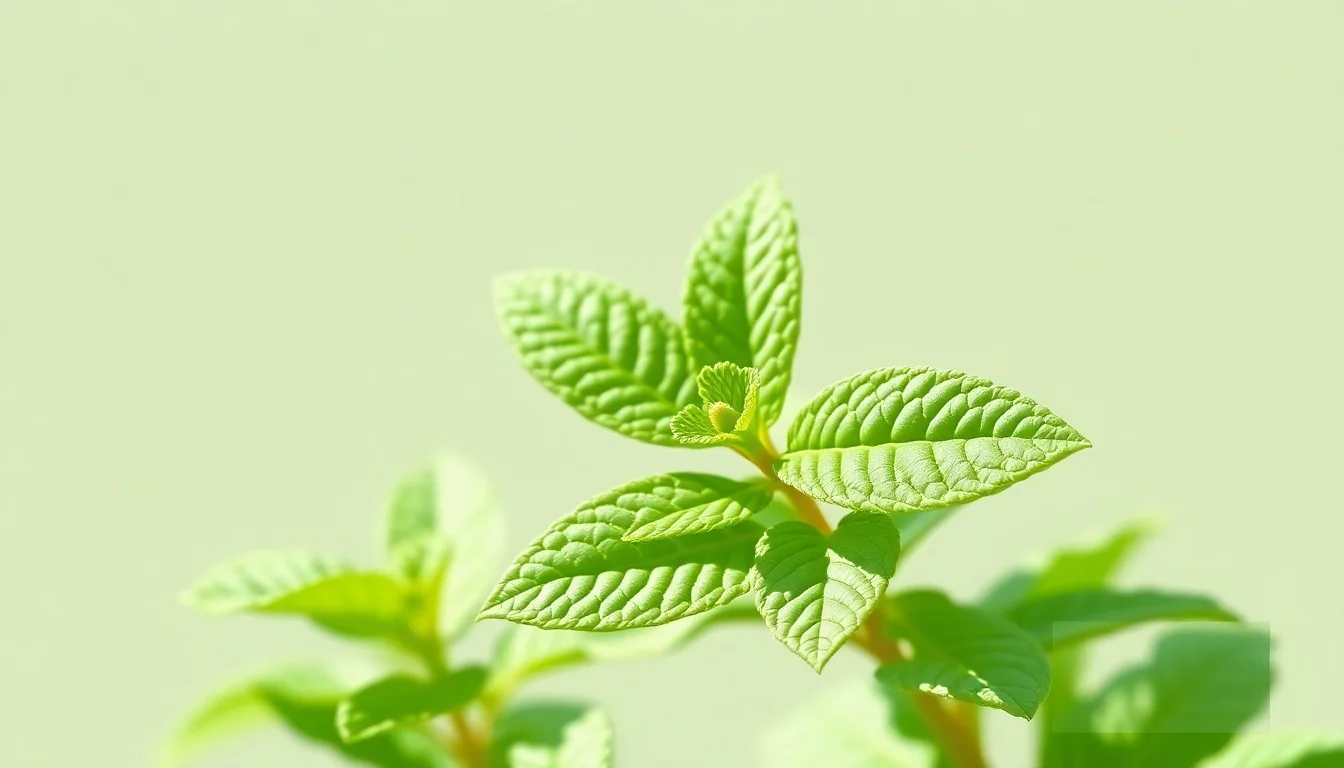
Mint, scientifically classified as the genus Mentha, is a group of aromatic perennial herbaceous plants belonging to the Lamiaceae family. Native to Europe, Asia, and Africa, these plants are renowned for their distinctive, refreshing scent and flavor. With over 20 recognized species and countless hybrids, mints like peppermint (Mentha piperita) and spearmint (Mentha spicata) are cultivated globally for their culinary, medicinal, and aromatic uses. Historically, mint has been employed for centuries in traditional remedies, valued for its digestive properties and ability to soothe ailments. Today, it remains a ubiquitous ingredient in everything from toothpaste and chewing gum to teas, desserts, and savory dishes, underscoring its enduring cultural and commercial significance.
🎵 Origins & History
The story of mint stretches back millennia. Ancient Greeks and Romans revered mint, using it not only for its flavor and aroma but also in medicinal practices and even as a perfume. The Roman naturalist Pliny the Elder documented its use for digestive issues in his Naturalis Historia. Over centuries, various species of mint were cultivated and spread across continents, with distinct varieties like peppermint emerging through natural hybridization. The widespread adoption of mint in both Western and Eastern pharmacopoeias and culinary traditions solidified its status as a globally recognized and valued plant.
⚙️ How It Works
The characteristic aroma and flavor of mint are primarily due to its essential oils. Different species and cultivars possess varying concentrations and ratios of these volatile compounds, leading to the diverse flavor profiles, from the sharp, invigorating taste of peppermint to the sweeter, milder notes of spearmint. The plant's rapid growth and ability to spread via rhizomes also contribute to its widespread availability and ease of cultivation.
📊 Key Facts & Numbers
China is the world's largest producer of peppermint oil. The United States is another major producer and consumer, with significant cultivation in states like Washington and Oregon. The demand for natural flavorings and fragrances continues to drive the market.
👥 Key People & Organizations
While no single individual can be credited with 'inventing' mint, its cultivation and understanding have been shaped by numerous figures. Ancient herbalists like Galen and Hippocrates contributed to its medicinal reputation. In modern times, agricultural scientists and botanists at institutions like the U.S. Department of Agriculture have played roles in developing improved cultivars and understanding its cultivation. The ISO has established standards for mint oil quality, ensuring consistency for industrial use. Major global suppliers of mint products include companies like Symrise AG and Firmenich SA, which process and distribute mint-derived ingredients worldwide.
🌍 Cultural Impact & Influence
Mint's influence permeates global culture, from its ubiquitous presence in toothpaste and mouthwash to its role in iconic dishes and beverages. In the Middle East, mint tea is a staple, often served with baklava or as a refreshing drink. British cuisine famously pairs mint sauce with lamb. The refreshing quality of mint has made it a key ingredient in cocktails like the mojito and mint julep. Its scent is also widely used in aromatherapy and personal care products, contributing to a sense of freshness and cleanliness. The visual representation of mint, often depicted as vibrant green leaves, has become synonymous with natural freshness and vitality in branding and design.
⚡ Current State & Latest Developments
The cultivation and processing of mint are continuously evolving. Innovations in agricultural technology, such as precision farming and hydroponics, are being explored to enhance yield and sustainability. Research into new applications for mint compounds, particularly in the pharmaceutical and cosmetic industries, is ongoing. For instance, studies are investigating the potential of menthol and other mint derivatives for pain relief and as antimicrobial agents. The market is also seeing a rise in demand for organic and sustainably sourced mint products, with certifications like USDA Organic becoming increasingly important for consumers and producers alike. The development of novel hybrid varieties with enhanced pest resistance and specific flavor profiles is also a key focus for breeders.
🤔 Controversies & Debates
One persistent debate surrounding mint revolves around its classification and the distinction between various species and hybrids, particularly peppermint and spearmint. While commonly understood as distinct, their genetic overlap and ease of hybridization can lead to confusion. Another area of contention is the environmental impact of large-scale mint cultivation, especially concerning water usage and potential monoculture effects. Furthermore, the extraction and use of essential oils raise questions about sustainability and ethical sourcing, particularly when dealing with wild or semi-wild populations. The efficacy and potential side effects of high-dose mint oil consumption for medicinal purposes also remain subjects of ongoing scientific scrutiny and debate.
🔮 Future Outlook & Predictions
The future of mint appears robust, driven by increasing consumer demand for natural products and its versatile applications. We can anticipate further development in mint-based pharmaceuticals, particularly for gastrointestinal issues and pain management, potentially leading to new drug discovery pathways. Advances in genetic engineering and breeding may yield mint varieties with enhanced medicinal properties or novel flavor profiles tailored for specific culinary or industrial uses. The trend towards natural and organic products will likely spur growth in sustainable mint farming practices and certifications. Furthermore, the exploration of mint's potential in areas like biodegradable plastics or as a natural pesticide could open entirely new markets, projecting continued expansion and innovation in the mint industry for decades to come.
💡 Practical Applications
Mint's practical applications are vast and varied. In the culinary world, it's used fresh or dried to flavor everything from salads and sauces to desserts and beverages. As a source of essential oils, it's a key ingredient in the production of toothpaste, mouthwash, chewing gum, candies, and liqueurs like Crème de Menthe. Medicinally, mint tea is a popular remedy for indigestion and nausea, while peppermint oil capsules are used to treat Irritable Bowel Syndrome (IBS) symptoms. Its aromatic properties also make it valuable in aromatherapy and as a natural insect repellent. The plant's ability to grow vigorously also makes it a popular choice for home gardens and as a ground cover.
Key Facts
- Category
- nature
- Type
- concept