
Contents
Overview
Mixed Martial Arts (MMA) is a full-contact combat sport that allows a wide range of fighting techniques, including striking and grappling, both standing and on the ground. Originating from a desire to find the most effective martial art, MMA has evolved from bare-knuckle contests to highly regulated professional sports with global appeal. Its rulesets, developed over decades by organizations like the Ultimate Fighting Championship and PRIDE FC, aim to balance spectacle with fighter safety, though controversies persist. The sport's popularity surged in the early 2000s, transforming it into a multi-billion dollar industry with household names like Conor McGregor and Jon Jones. MMA's influence extends beyond the cage, impacting fitness trends, popular culture, and even influencing other combat sports.
🎵 Origins & History
Early precursors to modern MMA include the Vale Tudo tournaments in Brazil during the early 20th century, where practitioners of Jiu-Jitsu, boxing, and wrestling would face off. The Gracie family played a pivotal role in popularizing no-holds-barred contests through the Ultimate Fighting Championship's inception in 1993. This event, initially conceived as a single-elimination tournament to determine the most effective martial art, quickly evolved, leading to the establishment of standardized rules and the sport's explosive growth under figures like Dana White.
⚙️ How It Works
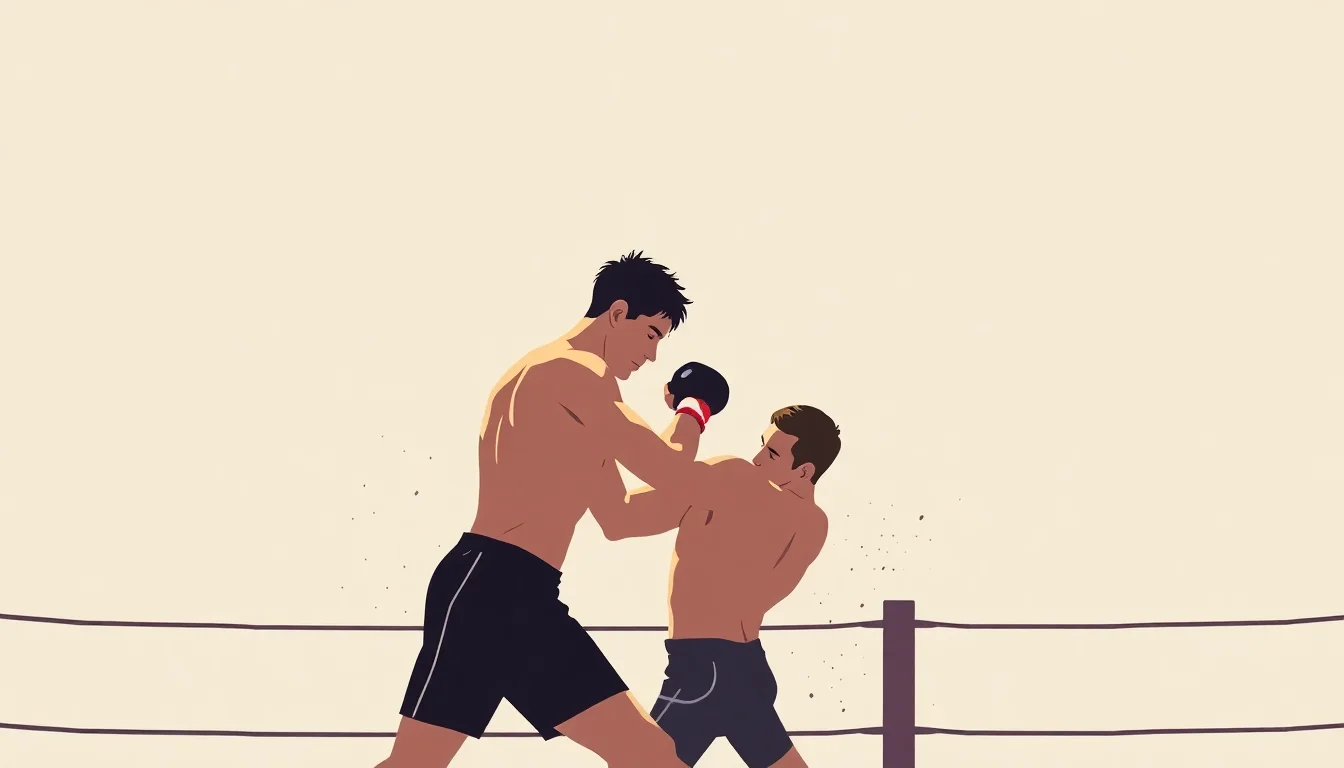
MMA fights are contested in rounds, typically three 5-minute rounds, with championship bouts often extending to five 5-minute rounds. The core of MMA lies in its permissive ruleset, allowing strikes such as punches, kicks, knees, and elbows, alongside grappling techniques like takedowns, throws, joint locks, and chokeholds. Fighters must adhere to weight classes to ensure fair competition, ranging from flyweight (125 lbs) to heavyweight (265 lbs). The Unified Rules of MMA, largely adopted by major promotions like the Ultimate Fighting Championship and Bellator MMA, prohibit certain dangerous techniques, such as striking to the back of the head or spine, and eye gouging, to mitigate severe injury. Fights can end via knockout (KO), technical knockout (TKO), submission, or decision if they go the distance.
📊 Key Facts & Numbers
The global MMA market is valued at over $10 billion. The Ultimate Fighting Championship alone generates over $1 billion in annual revenue. Over 600 professional MMA fighters compete under the UFC banner, with more than 100 active fighters in Bellator MMA and ONE Championship. Pay-per-view events can draw millions of buys. UFC 229 in 2018, featuring Conor McGregor vs. Khabib Nurmagomedov, reportedly sold over 2.4 million PPV buys. Fighter salaries vary wildly, from a few thousand dollars for preliminary card fighters to upwards of $50 million for top stars like Conor McGregor for a single fight. The sport has seen a 15% year-over-year growth in viewership over the past five years.
👥 Key People & Organizations
The Ultimate Fighting Championship, founded in 1993 by Art Davie, John McCain (who initially opposed it), and the Gracie family, is the dominant force in professional MMA. Dana White has served as its president since 2001, overseeing its transformation into a global entertainment giant. Other significant organizations include Bellator MMA, founded by BJ Penn and Chuck Liddell (though later acquired by Paramount Global), and ONE Championship, a Singapore-based promotion with a strong presence in Asia. Legendary fighters like Royce Gracie, Anderson Silva, Georges St-Pierre, and Ronda Rousey have become global icons, transcending the sport itself.
🌍 Cultural Impact & Influence
MMA's cultural footprint is undeniable. It has popularized a new breed of athlete, celebrated for their discipline, resilience, and diverse skill sets. The sport's aesthetic has permeated fashion, with athletic wear and fight-inspired apparel becoming mainstream. Fitness trends have also been heavily influenced, with MMA-style workouts, including Muay Thai and kickboxing drills, becoming common in gyms worldwide. Furthermore, MMA narratives – tales of underdogs, rivalries, and redemption – have provided rich material for documentaries, films, and video games, further embedding the sport into popular consciousness. The term 'MMA fighter' itself has become synonymous with peak physical conditioning and mental fortitude.
⚡ Current State & Latest Developments
The landscape of MMA in 2024 is characterized by the continued dominance of the Ultimate Fighting Championship, which recently signed a lucrative broadcast deal with Amazon Prime Video worth an estimated $1.5 billion over five years. Bellator MMA has undergone significant changes following its acquisition by Paramount Global, aiming to integrate more closely with Showtime Sports' boxing offerings. ONE Championship continues its expansion in Asia, focusing on a blend of MMA, Muay Thai, and grappling. Emerging promotions like PFL MMA are experimenting with league formats and prize money structures to challenge the established order. Fighter activism and unionization efforts, particularly concerning fighter pay and healthcare, remain a significant ongoing development.
🤔 Controversies & Debates
The most persistent controversy surrounding MMA revolves around fighter pay and healthcare. Many preliminary and mid-tier fighters earn modest salaries, often struggling to make a living wage, especially when factoring in training costs, travel, and medical expenses. The perceived lack of robust healthcare and retirement benefits for fighters, particularly in promotions like the Ultimate Fighting Championship, has drawn criticism from athletes, fans, and politicians, including former critic John McCain who has since softened his stance. Another ongoing debate concerns the sport's inherent violence and its potential impact on participants' long-term health, with concerns about traumatic brain injury and chronic encephalopathy being frequently raised. The regulation of judging and refereeing also remains a point of contention, with controversial decisions sparking fan outrage.
🔮 Future Outlook & Predictions
The future of MMA appears poised for continued global expansion, particularly in emerging markets like the Middle East and Africa. Advancements in sports science and athlete recovery technologies will likely lead to longer and healthier fighter careers. We may see increased integration of esports with MMA, potentially through virtual reality simulations or digital collectibles. The ongoing debate around fighter unions and collective bargaining could lead to significant shifts in fighter compensation and benefits, potentially reshaping the economic model of the sport. Furthermore, the increasing popularity of submission grappling tournaments like ADCC could see a greater crossover of talent and fan interest into the MMA realm.
💡 Practical Applications
Beyond the professional sport, MMA techniques and training methodologies have found widespread application. UFC Gyms and similar facilities offer fitness classes that incorporate striking, grappling, and conditioning drills, providing a high-intensity workout for the general public. Many martial arts schools now offer dedicated MMA programs, teaching a blend of disciplines for self-defense or sport. The principles of MMA training – discipline, strategic thinking, physical conditioning, and mental toughness – are also applied in corporate training programs and leadership development to foster resilience and problem-solving skills. The sport's emphasis on continuous learning and adaptation also makes it a model for personal development.
Key Facts
- Category
- culture
- Type
- topic