
Contents
- 🎵 Introduction to Music Notation
- 📝 History of Music Notation
- 🎶 Elements of Music Notation
- 📊 Types of Music Notation
- 👂 Reading Music: A Complex Process
- 🤔 Challenges in Music Notation
- 📈 Evolution of Music Notation
- 🎯 Future of Music Notation
- 📚 Resources for Learning Music Notation
- 👥 Community and Music Notation
- 📊 Music Notation Software
- 🎧 Music Notation and Technology
- Frequently Asked Questions
- Related Topics
Overview
Music notation has been a cornerstone of music composition and performance for centuries, with its roots dating back to ancient Greece and Rome. The modern system of notation, developed in the 17th and 18th centuries, has undergone significant changes and controversies, including the introduction of new notation systems such as tablature and graphic notation. Today, music notation continues to evolve with the advent of digital tools and software, such as Finale and Sibelius, which have democratized access to music composition and notation. However, debates surrounding the limitations and biases of traditional notation systems persist, with some arguing that they prioritize Western classical music over other genres and styles. The Vibe score for music notation is 8, reflecting its enduring influence and cultural significance. Notable figures in the history of music notation include Guido d'Arezzo, who introduced the concept of solfege, and Johannes Gutenberg, who developed the movable-type printing press, facilitating the mass production of sheet music. The controversy spectrum for music notation is moderate, with ongoing discussions about its relevance and effectiveness in the digital age.
🎵 Introduction to Music Notation
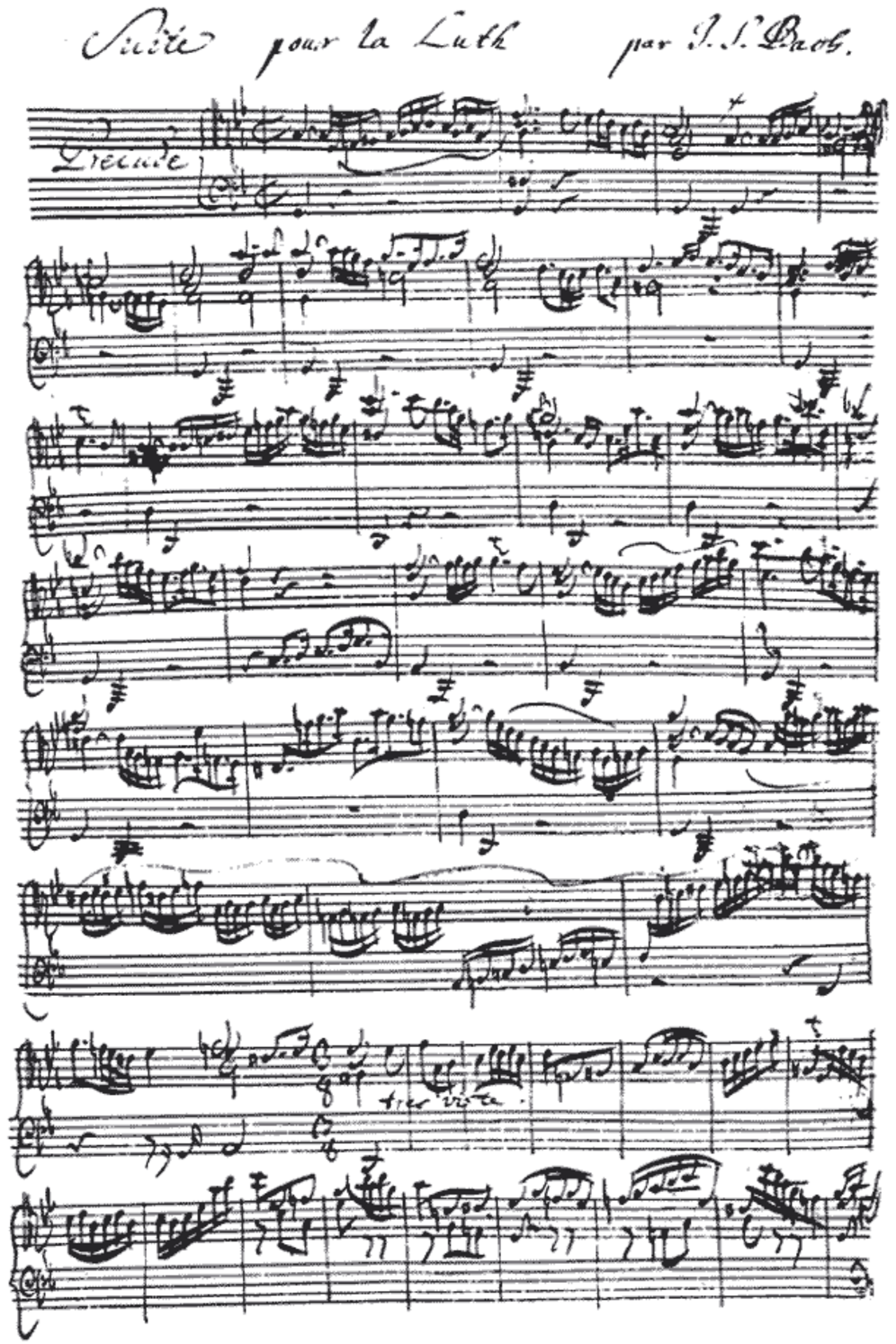
Music notation is a complex system used to visually represent music, allowing us to convey the elements of a piece that are essential for its performance. The process of interpreting musical notation is often referred to as reading music, and it requires a deep understanding of the various symbols, marks, and signs used to represent different musical elements. For example, musical symbols such as notes, rests, and clefs are used to represent pitch, duration, and other aspects of music. The history of music notation is closely tied to the development of Western music, with early systems of notation emerging in ancient Greece and Rome.
📝 History of Music Notation
The history of music notation dates back thousands of years, with early systems of notation used by ancient civilizations such as the Ancient Greeks and Ancient Romans. These early systems of notation were often simple and limited, but they laid the foundation for the development of more complex systems of notation in later centuries. For example, the Gregorian chant tradition developed a system of notation that used neumes to represent the pitch and rhythm of chants. The development of staff notation in the Middle Ages revolutionized music notation, allowing for greater precision and complexity in musical composition.
🎶 Elements of Music Notation
The elements of music notation include a range of symbols, marks, and signs used to represent different musical elements. For example, pitch is represented by notes on a staff, while rhythm is represented by the duration and spacing of these notes. Dynamics and articulation are also important elements of music notation, and are represented by a range of symbols and marks. Understanding these elements is essential for reading music and performing musical compositions. The use of musical symbols such as clefs and key signatures also helps to convey important information about the music.
📊 Types of Music Notation
There are several types of music notation, each with its own unique characteristics and uses. For example, common music notation is the most widely used system of notation, and is used to notate a wide range of musical styles and genres. Tablature is a type of notation used for stringed instruments, and represents the fingering and placement of notes on the instrument. Chord notation is used to represent chords and harmony in music, and is often used in jazz music and other popular styles.
👂 Reading Music: A Complex Process
Reading music is a complex process that requires a deep understanding of the various symbols, marks, and signs used to represent different musical elements. It involves the ability to recognize and interpret musical symbols, as well as an understanding of the underlying musical structure and composition. Music theory plays a critical role in reading music, as it provides a framework for understanding the relationships between different musical elements. The use of musical notation software can also help to facilitate the process of reading music, by providing a range of tools and features for creating, editing, and performing musical compositions.
🤔 Challenges in Music Notation
Despite its importance, music notation is not without its challenges. One of the main challenges is the difficulty of representing the complexities of music using a visual system. For example, microtonality and polyrhythms can be difficult to notate using traditional systems of notation. Additionally, the use of music notation software can sometimes limit the creativity and expressiveness of musical composition. The development of new systems of notation, such as just intonation and microtonal music, is helping to address these challenges and provide new possibilities for musical expression.
📈 Evolution of Music Notation
The evolution of music notation has been shaped by a range of historical, cultural, and technological factors. For example, the development of printing technology in the Renaissance allowed for the widespread dissemination of musical compositions, and helped to establish common music notation as the dominant system of notation. The development of music notation software in the 20th century has also had a major impact on music notation, allowing for greater precision and efficiency in the creation and editing of musical compositions. The use of digital audio workstations is also changing the way music is composed and performed.
🎯 Future of Music Notation
The future of music notation is likely to be shaped by a range of technological and cultural factors. For example, the development of artificial intelligence and machine learning is likely to have a major impact on music notation, allowing for the creation of new systems of notation and the automation of certain tasks. The use of virtual reality and augmented reality is also likely to change the way music is composed and performed. The development of new systems of notation, such as graphical notation and gestural notation, is also helping to push the boundaries of musical expression.
📚 Resources for Learning Music Notation
There are a range of resources available for learning music notation, including music notation software and online tutorials. The use of music theory textbooks and workbooks can also help to provide a deeper understanding of the underlying principles of music notation. Additionally, online communities and forums can provide a range of resources and support for learning music notation. The use of private lessons with a qualified teacher can also help to provide personalized instruction and feedback.
👥 Community and Music Notation
The community of music notation is diverse and global, with a range of individuals and organizations working to promote and develop music notation. For example, the Music Notation Project is a community-driven initiative that aims to develop new systems of notation and provide resources for learning music notation. The use of social media and online communities is also helping to connect musicians and composers from around the world, and provide a range of resources and support for music notation. The development of music notation standards is also helping to ensure consistency and compatibility across different systems of notation.
📊 Music Notation Software
Music notation software is a powerful tool for creating, editing, and performing musical compositions. There are a range of different software programs available, each with its own unique features and capabilities. For example, Finale and Sibelius are two popular music notation software programs that offer a range of tools and features for creating and editing musical compositions. The use of midi and audio files can also help to facilitate the process of music notation, by allowing for the import and export of musical data. The development of cloud-based music notation software is also changing the way music is composed and performed.
🎧 Music Notation and Technology
The relationship between music notation and technology is complex and multifaceted. On the one hand, technology has provided a range of new tools and resources for music notation, such as music notation software and digital audio workstations. On the other hand, the use of technology has also raised important questions about the nature and purpose of music notation, and the role of the musician and composer in the creative process. The development of artificial intelligence and machine learning is likely to have a major impact on music notation, allowing for the creation of new systems of notation and the automation of certain tasks.
Key Facts
- Year
- 1000
- Origin
- Ancient Greece and Rome
- Category
- Music Theory
- Type
- Concept
Frequently Asked Questions
What is music notation?
Music notation is a system used to visually represent music, allowing us to convey the elements of a piece that are essential for its performance. It involves the use of a range of symbols, marks, and signs to represent different musical elements, such as pitch, rhythm, and dynamics. The process of interpreting musical notation is often referred to as reading music, and it requires a deep understanding of the various symbols and signs used to represent different musical elements. For example, musical symbols such as notes, rests, and clefs are used to represent pitch, duration, and other aspects of music.
What are the different types of music notation?
There are several types of music notation, each with its own unique characteristics and uses. For example, common music notation is the most widely used system of notation, and is used to notate a wide range of musical styles and genres. Tablature is a type of notation used for stringed instruments, and represents the fingering and placement of notes on the instrument. Chord notation is used to represent chords and harmony in music, and is often used in jazz music and other popular styles. The use of musical notation software can also help to facilitate the process of music notation, by providing a range of tools and features for creating, editing, and performing musical compositions.
How do I learn music notation?
There are a range of resources available for learning music notation, including music notation software and online tutorials. The use of music theory textbooks and workbooks can also help to provide a deeper understanding of the underlying principles of music notation. Additionally, online communities and forums can provide a range of resources and support for learning music notation. The use of private lessons with a qualified teacher can also help to provide personalized instruction and feedback. For example, reading music and musical symbols are essential skills for any musician, and can be developed through practice and dedication.
What is the future of music notation?
The future of music notation is likely to be shaped by a range of technological and cultural factors. For example, the development of artificial intelligence and machine learning is likely to have a major impact on music notation, allowing for the creation of new systems of notation and the automation of certain tasks. The use of virtual reality and augmented reality is also likely to change the way music is composed and performed. The development of new systems of notation, such as graphical notation and gestural notation, is also helping to push the boundaries of musical expression. For example, music notation software is already being used to create and perform musical compositions, and is likely to play an increasingly important role in the future of music notation.
What are the benefits of using music notation software?
Music notation software provides a range of benefits for musicians and composers, including increased precision and efficiency in the creation and editing of musical compositions. The use of midi and audio files can also help to facilitate the process of music notation, by allowing for the import and export of musical data. Additionally, music notation software can help to provide a range of tools and features for creating and editing musical compositions, such as transposition and arrangement. The development of cloud-based music notation software is also changing the way music is composed and performed, by providing access to a range of tools and resources from anywhere in the world. For example, Finale and Sibelius are two popular music notation software programs that offer a range of tools and features for creating and editing musical compositions.
How does music notation relate to music theory?
Music notation is closely related to music theory, as it provides a visual representation of the underlying principles and structures of music. The use of musical symbols and marks to represent different musical elements, such as pitch, rhythm, and dynamics, is essential for conveying the musical ideas and intentions of the composer. The study of music theory can help to provide a deeper understanding of the underlying principles of music notation, and can help to inform the process of creating and editing musical compositions. For example, chord progressions and harmony are essential elements of music theory, and are often represented using chord notation and other systems of notation.
What are the challenges of music notation?
Despite its importance, music notation is not without its challenges. One of the main challenges is the difficulty of representing the complexities of music using a visual system. For example, microtonality and polyrhythms can be difficult to notate using traditional systems of notation. Additionally, the use of music notation software can sometimes limit the creativity and expressiveness of musical composition. The development of new systems of notation, such as just intonation and microtonal music, is helping to address these challenges and provide new possibilities for musical expression. For example, experimental music and avant-garde music often push the boundaries of traditional music notation, and require the development of new systems and techniques for representation and performance.