
Contents
- 🔊 What is Noise Rock?
- 🗺️ Origins and Key Scenes
- 🎸 Sonic Characteristics
- ⭐ Essential Artists & Albums
- 🤔 Who is Noise Rock For?
- 🎶 Related Genres & Influences
- 💥 The Controversy Spectrum
- 📈 Vibe Score & Cultural Energy
- 💡 Vibepedia's Take: The Future of Noise
- 📚 Further Exploration
- Frequently Asked Questions
- Related Topics
Overview
Noise rock is a visceral, often abrasive subgenre of rock music that emerged from the punk and post-punk scenes of the late 1970s and early 1980s. At its core, it’s about pushing the boundaries of conventional rock instrumentation, particularly the electric guitar, through extreme distortion, feedback, and unconventional sonic textures. Think less about melody and more about raw, unadulterated sound as a primary expressive tool. It’s a genre that prioritizes texture, intensity, and sonic assault over traditional song structures, often creating a disorienting yet exhilarating listening experience. For those seeking music that challenges the ear and ignites the senses, noise rock offers a potent, unfiltered blast.
🗺️ Origins and Key Scenes
While its roots are often traced to the experimental fringes of New York City's post-punk scene in the late 70s and early 80s, noise rock quickly metastasized globally. Key early incubators included bands like Suicide and Mars in NYC, who were already exploring industrial soundscapes and sonic deconstruction. The Amphetamine Reptile Records label, founded by Tom Hazelhurst in 1986, became a crucial hub for the genre, particularly in Minneapolis, fostering a distinct, aggressive sound that influenced countless bands. Other significant scenes developed in the UK and Japan, each adding their own unique flavor to the burgeoning noise rock lexicon. Understanding these geographical nodes is key to grasping the genre's diverse evolution.
🎸 Sonic Characteristics
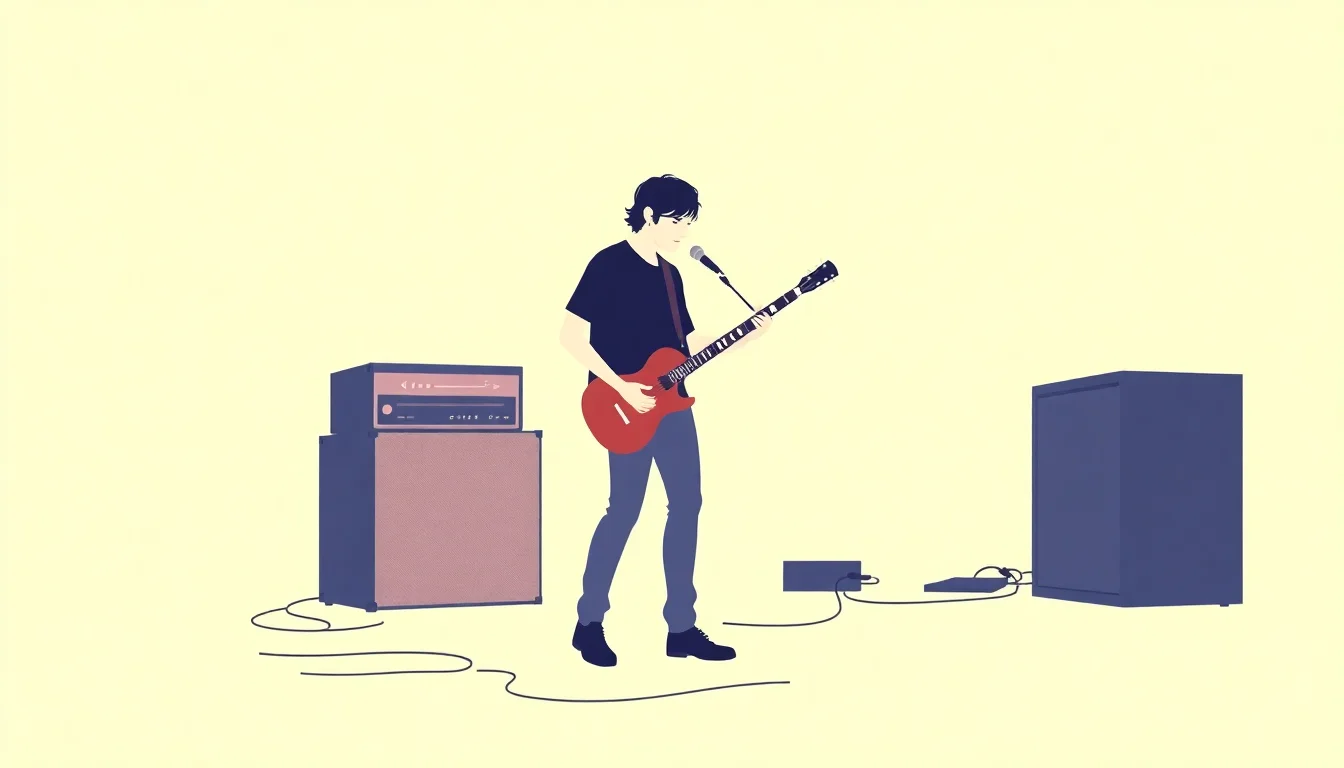
The sonic signature of noise rock is unmistakable, characterized by a deliberate embrace of harshness and dissonance. Extreme guitar distortion, often pushed to the point of feedback saturation, is paramount. Basslines can be thick and rumbling or sharp and angular, often mirroring the guitar's chaotic energy. Drumming tends to be powerful and percussive, driving the intensity without necessarily adhering to traditional rock rhythms. Vocals can range from shouted, guttural pronouncements to detached, almost spoken-word delivery, often buried in the mix or treated as another textural element. The overall effect is a dense, often overwhelming sonic tapestry designed to provoke a visceral reaction.
⭐ Essential Artists & Albums
When discussing essential noise rock, certain names inevitably surface. Sonic Youth is arguably the genre's most enduring and influential act, with albums like 'Daydream Nation' (1988) serving as a masterclass in experimental guitar work and sonic exploration. The Jesus Lizard brought a more menacing, blues-inflected aggression to the sound with 'Goat' (1991). Melvins, though often categorized as sludge metal, have consistently incorporated noise rock's textural chaos into their monolithic sound, particularly on 'Houdini' (1993). For a more abrasive, industrial-tinged take, look to Godflesh's 'Streetcleaner' (1988). These acts represent different facets of the genre's expansive sonic palette.
🤔 Who is Noise Rock For?
Noise rock isn't for the faint of heart or those seeking easy listening. It's for the adventurous listener who finds beauty in dissonance and power in sonic abrasion. If you appreciate music that challenges conventions, pushes sonic limits, and evokes raw emotion through texture and intensity, this genre will resonate. It appeals to those who are drawn to the cathartic release found in overwhelming sound, the kind that can feel both unsettling and profoundly liberating. Fans of experimental music, industrial, and avant-garde rock will likely find much to explore and appreciate within noise rock's often-unforgiving embrace.
💥 The Controversy Spectrum
The Controversy Spectrum for noise rock is generally moderate to high, primarily due to its inherent abrasiveness and departure from mainstream musical conventions. While not typically associated with overt political or social controversy, its sonic qualities can be polarizing. Some listeners find it challenging, even unpleasant, while others champion its artistic merit and emotional intensity. Debates often arise regarding its classification, with lines blurring between noise rock, Noise Music, industrial, and certain forms of metal. The genre's deliberate rejection of accessibility is itself a point of contention for those accustomed to more conventional song structures and melodic frameworks.
📈 Vibe Score & Cultural Energy
Noise rock's Vibe Score hovers around a potent 75/100, reflecting its significant cultural energy within niche communities and its undeniable impact on experimental music. This score is driven by its raw, unadulterated intensity and its role as a vital outlet for sonic experimentation. While its mainstream reach is limited, its influence on underground music and its ability to provoke strong emotional responses solidify its energetic presence. The genre consistently attracts dedicated fans and artists who are passionate about its unique sonic language, ensuring its continued relevance and vibrant cultural pulse within its dedicated sphere.
💡 Vibepedia's Take: The Future of Noise
The future of noise rock appears to be one of continued sonic exploration and cross-pollination. As technology advances, artists will undoubtedly find new ways to manipulate sound, pushing the boundaries of distortion and feedback even further. We might see a greater integration with electronic music, creating hybrid forms that blend the organic chaos of noise rock with the precise textures of digital sound design. The genre's inherent adaptability suggests it will continue to serve as a fertile ground for artists seeking to express raw emotion and challenge auditory norms. The question remains: will these explorations lead to new mainstream curiosities, or will noise rock remain a potent, underground force?
📚 Further Exploration
To truly grasp noise rock, direct immersion is key. Start with the foundational albums mentioned and then explore the extensive discographies of labels like Amphetamine Reptile Records and Dischord Records for a broader understanding of its evolution. Websites like Rate Your Music and Discogs offer vast databases for discovering artists and tracking down releases. Engaging with online forums and communities dedicated to experimental and underground music can also provide valuable insights and recommendations from fellow enthusiasts. The journey into noise rock is one of active discovery, rewarding those who are willing to listen intently.
Key Facts
- Year
- 1977
- Origin
- New York City, USA
- Category
- Music Genres
- Type
- Music Genre
Frequently Asked Questions
Is noise rock just random noise?
While noise rock heavily utilizes elements like distortion and feedback, it's far from random. It's a deliberate manipulation of sound, employing these harsh textures to create specific emotional and sonic effects. Artists carefully construct their soundscapes, even if they deviate significantly from traditional melodic or harmonic structures. The 'noise' is an intentional component of the musical language, not an accidental byproduct.
What's the difference between noise rock and noise music?
Noise rock integrates noise elements into a rock music framework, often retaining some semblance of rhythm, structure, or vocal presence, however distorted. Pure Noise Music, on the other hand, often dispenses with traditional musical elements entirely, focusing solely on sonic textures, often without discernible rhythm or melody. Noise rock uses noise as a tool within a rock context, whereas noise music is the sound itself.
Are there any 'easy' entry points into noise rock?
While 'easy' is subjective in this genre, bands like Sonic Youth (especially their earlier, more accessible work) or Pixies (who incorporated noisy elements into their alternative rock sound) can serve as gateways. Albums like Sonic Youth's 'Goo' (1990) or Pixies' 'Surfer Rosa' (1988) offer a blend of noise and more conventional rock structures that might appeal to listeners new to the genre's extremes.
Where can I find live noise rock shows?
Live noise rock is often found in smaller, independent venues, DIY spaces, and underground clubs rather than large concert halls. Check local listings for venues known for hosting experimental, punk, or avant-garde music. Many cities have dedicated scenes, and following labels like Amphetamine Reptile Records or specific artists on social media can alert you to upcoming tours and performances.
How do noise rock musicians achieve their sound?
A key element is the extensive use of effects pedals, particularly distortion, overdrive, fuzz, and delay, often chained together in complex configurations. Guitarists frequently experiment with alternate tunings, prepared guitars (e.g., using screwdrivers or other objects on the strings), and manipulating feedback. Amplifiers are often pushed to their limits, and unconventional microphone techniques might be employed to capture the raw sonic output. It's a highly experimental approach to instrument and sound manipulation.