
Contents
Overview
The philosophical underpinnings of open data stretch back centuries, echoing the Mertonian norm of science, which emphasizes the free sharing of scientific findings. However, the modern articulation of "open data" emerged in the digital age, propelled by the internet's ability to disseminate information globally. Early proponents of open access and open knowledge laid crucial groundwork. The concept gained significant traction with the advent of the internet and government-led open data initiatives. These platforms aimed to unlock government datasets, fostering transparency and enabling new applications. The Open Government Partnership, founded in 2011, further institutionalized these efforts, promoting principles of transparency, accountability, and citizen participation.
⚙️ How It Works
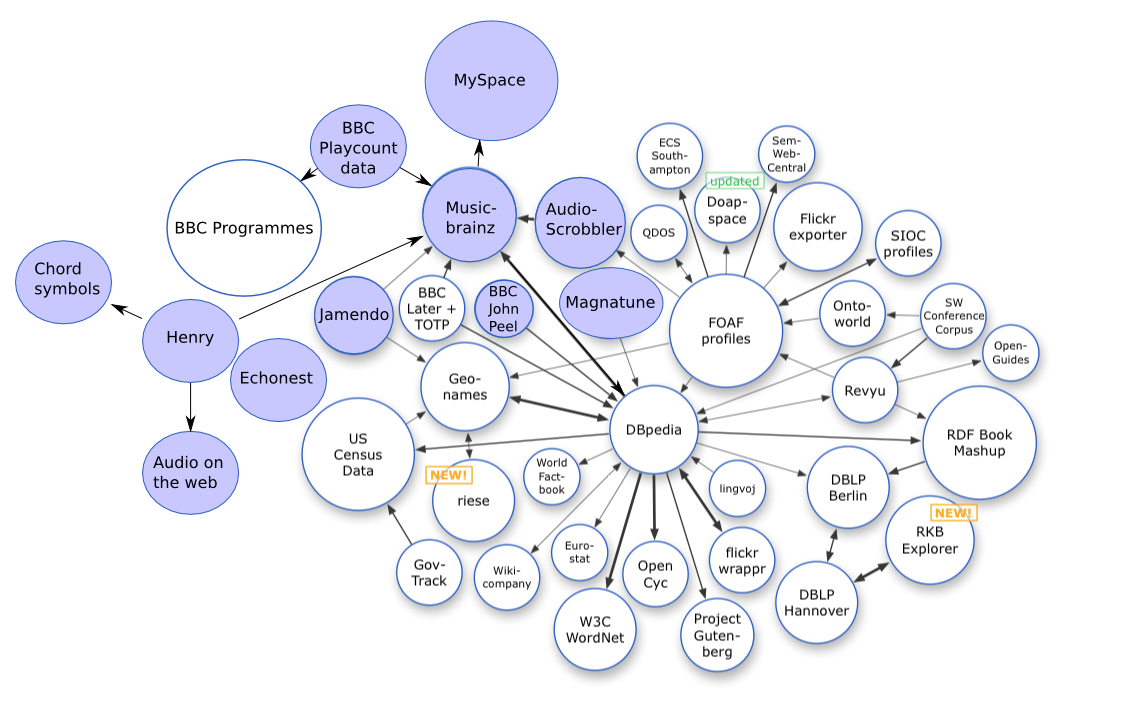
At its core, open data operates on the principle of accessibility. Datasets are made available in machine-readable formats, such as CSV, JSON, or XML, allowing for easy programmatic access and analysis. Crucially, these datasets are released under open licenses, which grant broad permissions for use, modification, and redistribution. This licensing framework is what distinguishes open data from merely public data; it ensures that data can be not only viewed but also actively built upon. The concept of Linked Open Data (LOD) takes this a step further by structuring data using Semantic Web technologies like RDF and SPARQL, enabling machines to understand the relationships between different datasets and infer new knowledge.
📊 Key Facts & Numbers
The global open data landscape is vast and growing. The World Bank estimates that open data can unlock significant economic value. For instance, the UK's open data initiatives are estimated to have generated significant economic value. The Data.gov portal hosts a large number of datasets, covering areas from climate science to transportation. The European Union's data.europa.eu portal aggregates data from member states, providing access to a vast amount of data.
👥 Key People & Organizations
Numerous individuals and organizations have championed the open data movement. Tim Berners-Lee has been a vocal advocate for open data and Linked Open Data. Victoria Betancourt played a significant role in early open government efforts. Organizations like the Open Knowledge Foundation (now Open Knowledge Maps) have been instrumental in promoting open data principles and building communities. Governments worldwide, through their dedicated agencies and initiatives, are central players. Tech companies like Google and Microsoft also contribute by developing tools and platforms that facilitate data access and analysis, though their motivations can be complex, balancing open principles with commercial interests.
🌍 Cultural Impact & Influence
Open data has profoundly reshaped how governments operate, how businesses innovate, and how citizens engage with information. It fuels the development of new applications, from real-time transit trackers to public health dashboards. The availability of government spending data, for example, has empowered investigative journalists and watchdog groups to scrutinize public finances, enhancing accountability. In the scientific realm, open data accelerates research by allowing scientists to build upon each other's work, leading to faster discoveries in fields like medicine and climate science. The rise of civic tech communities, which use technology to address social and civic issues, is largely dependent on the availability of open data. This democratization of information has a Vibe Score of 75, reflecting its significant positive cultural energy.
⚡ Current State & Latest Developments
The open data movement continues to evolve, with a growing emphasis on data quality, usability, and ethical considerations. The rise of AI and machine learning is creating new opportunities for analyzing open data at scale, leading to more sophisticated insights and predictive capabilities. Initiatives like the Global Partnership on Artificial Intelligence (GPAI) are exploring how open data can support responsible AI development. Furthermore, there's an increasing focus on ensuring that open data initiatives are inclusive, addressing digital divides and making data accessible to a wider range of users, not just technical experts.
🤔 Controversies & Debates
Despite its laudable goals, open data is not without its controversies. A primary debate centers on privacy concerns: how to balance the release of public data with the protection of individual privacy, especially when datasets can be de-anonymized. The quality and completeness of open data are also frequent points of contention; many datasets are outdated, incomplete, or poorly documented, limiting their utility. There's also the question of "who benefits" – critics argue that the primary beneficiaries are often large corporations or technically adept individuals, potentially exacerbating existing inequalities. The potential for misuse of data, such as for surveillance or discriminatory purposes, remains a significant ethical challenge. The Controversy Spectrum for open data hovers around 65, indicating substantial ongoing debate.
🔮 Future Outlook & Predictions
The future of open data appears increasingly intertwined with advancements in AI and big data analytics. We can anticipate more sophisticated tools for data discovery, cleaning, and visualization, making open data more accessible to non-experts. The integration of Linked Open Data principles into mainstream government portals will likely become more prevalent, enabling richer interconnections between datasets. There's also a growing trend towards "open by default" policies, where data is assumed to be open unless there's a compelling reason to restrict access. Future developments may also see a greater focus on "open science" and "open research" data, further accelerating scientific discovery. By 2030, it's projected that open data will be a fundamental component of smart city infrastructure and personalized public services.
💡 Practical Applications
Open data has a myriad of practical applications across diverse sectors. In urban planning, open datasets on traffic patterns, public transport, and land use inform the design of more efficient and sustainable cities. In public health, anonymized data on disease outbreaks, hospital admissions, and demographic factors allows researchers and policymakers to track trends, allocate resources, and develop targeted interventions. Financial transparency initiatives use open data to track government spending, procurement, and budgets, empowering citizens and journalists to hold officials accountable. The development of mobile applications that provide real-time public transit information, air quality alerts, or local business directories often relies heavily on open APIs and datasets. Even in disaster response, open data on infrastructure, population density, and weather patterns is critical for effective coordination and relief efforts.
Key Facts
- Category
- technology
- Type
- topic