
Contents
- 🌳 What is Outdoor Landscaping?
- 📍 Who Needs Outdoor Landscaping?
- 📐 Design & Planning Essentials
- 🌿 Key Elements of a Landscape Design
- 🛠️ DIY vs. Professional Landscaping
- 💰 Pricing & Budgeting
- ⭐ What People Say (Vibe Score: 78/100)
- 💡 Practical Tips for Success
- 📞 Getting Started
- Frequently Asked Questions
- Related Topics
Overview
Outdoor landscaping is the art and science of shaping and modifying the visible features of an area of land, including living elements like flora or fauna; or what is commonly referred to as gardening, the building of structures like retaining walls, pergolas, or water features, and the arrangement of landforms. It's about creating functional, aesthetically pleasing, and environmentally sustainable outdoor spaces. Think beyond just planting a few flowers; it encompasses the entire outdoor living experience, from the curb appeal of your home to the usability of your backyard. A well-executed landscape can significantly increase property value and enhance your quality of life, transforming mundane yards into vibrant extensions of your home.
📍 Who Needs Outdoor Landscaping?
Anyone looking to enhance their property's exterior can benefit from landscaping. Homeowners aiming to boost curb appeal, create functional outdoor living areas like patios or kitchens, or improve drainage and reduce erosion will find it invaluable. Businesses seeking to create inviting entrances or attractive grounds for clients also rely heavily on professional landscaping. Even renters might engage in container gardening or small-scale planting to personalize their temporary spaces. Essentially, if you have an outdoor area that you want to look better, feel better, or work better, landscaping is for you.
📐 Design & Planning Essentials
The foundation of any successful landscape project lies in meticulous design and planning. This involves understanding your site's specific conditions – sun exposure, soil type, drainage patterns, and existing vegetation. A professional designer will often conduct a thorough site analysis, which can inform the entire process. Consider your personal style, how you intend to use the space (e.g., entertaining, relaxation, play), and your budget. Creating a detailed plan, often including scaled drawings and plant lists, prevents costly mistakes and ensures a cohesive final result, aligning with principles of sustainable landscaping and xeriscaping.
🌿 Key Elements of a Landscape Design
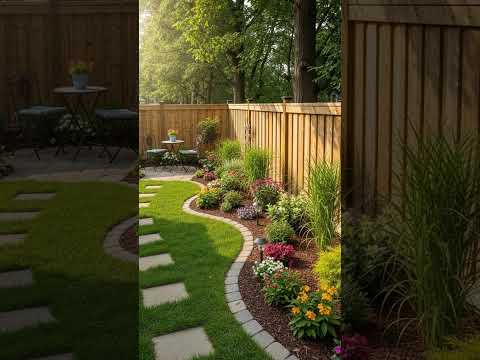
A compelling landscape design integrates several key elements. Hardscaping, such as pathways, patios, decks, and walls, provides structure and defines spaces. Softscaping, encompassing plants like trees, shrubs, flowers, and groundcovers, adds color, texture, and life. Water features, lighting, and outdoor furniture further enhance functionality and ambiance. The careful selection and placement of these elements, considering factors like mature plant size and seasonal interest, are crucial for a dynamic and enduring design, drawing inspiration from Japanese garden design and English cottage gardens.
🛠️ DIY vs. Professional Landscaping
The decision between DIY and professional landscaping depends on your budget, time, and skill level. For smaller projects or those with a green thumb and ample free time, DIY can be rewarding and cost-effective. However, complex designs, significant earthmoving, or specialized installations like irrigation systems often necessitate professional expertise. Landscape architects and designers bring technical knowledge, access to materials, and an understanding of local regulations and best practices, ensuring a higher quality and more durable outcome, especially for large-scale landscaping projects.
💰 Pricing & Budgeting
The cost of landscaping varies dramatically based on the scope of work, materials used, and labor involved. Simple planting projects might cost a few hundred dollars, while a complete backyard overhaul with hardscaping, water features, and extensive planting can run into tens of thousands. Professional design fees typically range from 5-15% of the total project cost. It's crucial to get detailed quotes from multiple contractors and to understand what is included. Budgeting for ongoing maintenance, such as watering, pruning, and seasonal cleanups, is also essential for long-term success, often overlooked in initial landscape cost estimation.
⭐ What People Say (Vibe Score: 78/100)
Outdoor landscaping generally receives high marks for its transformative potential, with a Vibepedia Vibe Score of 78/100. Users frequently praise the enhanced aesthetic appeal and increased property value. Many highlight the creation of functional outdoor living spaces as a major benefit, turning underutilized yards into extensions of their homes. However, some express frustration with the ongoing maintenance demands and the initial investment required. The complexity of plant selection and the potential for unexpected issues like pest infestations or drainage problems are also common points of discussion, underscoring the importance of thorough planning and expert advice, particularly for native plant landscaping.
💡 Practical Tips for Success
When embarking on your landscaping journey, start with a clear vision of how you want to use your outdoor space. Research plants that are well-suited to your climate and soil conditions to minimize maintenance and ensure their survival; consider drought-tolerant plants for arid regions. Prioritize functionality – ensure pathways are wide enough, seating areas are comfortable, and lighting is adequate for evening use. Don't underestimate the power of soil health; amending your soil with compost will provide a strong foundation for plant growth. Finally, phased implementation can make a large project more manageable and budget-friendly, allowing you to enjoy improvements as they are completed.
📞 Getting Started
To begin your landscaping project, start by defining your goals and budget. If you're considering professional help, research local landscape designers or contractors. Look for portfolios that align with your aesthetic preferences and request consultations. For DIYers, begin by sketching out your ideas and researching plant species suitable for your region. Many local nurseries offer design advice, and online resources provide extensive information on plant care and design principles. Don't hesitate to start small; even a few well-chosen plants and a tidy garden bed can make a significant difference. Contacting a local garden center or a landscape architect is often the first step.
Key Facts
- Year
- 2023
- Origin
- Vibepedia
- Category
- Home & Garden
- Type
- Topic
Frequently Asked Questions
What's the difference between landscaping and gardening?
While often used interchangeably, landscaping is a broader term encompassing the design, planning, and installation of all outdoor features, including hardscaping (patios, paths) and softscaping (plants). Gardening specifically refers to the cultivation of plants, focusing on planting, nurturing, and arranging flora. You can garden without extensive landscaping, but landscaping almost always involves some form of gardening.
How much does professional landscaping typically cost?
Costs vary wildly, from a few hundred dollars for minor planting to tens of thousands for full-scale renovations. A general rule of thumb for a significant overhaul might be 10-20% of your home's value. Professional design fees can add another 5-15%. Always get detailed, itemized quotes from at least three different reputable companies to compare services and pricing accurately.
What are the benefits of native plant landscaping?
Using native plants offers numerous advantages. They are adapted to local climate and soil conditions, requiring less water, fertilizer, and pest control. This reduces maintenance and environmental impact. Native plants also provide crucial habitat and food sources for local wildlife, supporting biodiversity. They contribute to a landscape that feels authentic to the region and can be more resilient.
How can I make my landscape more water-efficient?
Implementing xeriscaping principles is key. This involves selecting drought-tolerant plants, grouping plants with similar water needs, reducing lawn areas, using mulch to retain soil moisture, and installing efficient irrigation systems like drip lines or smart controllers. Proper soil preparation with compost also improves water retention.
What is hardscaping?
Hardscaping refers to the non-living elements of a landscape. This includes structures and surfaces such as patios, walkways, driveways, retaining walls, decks, fences, and pergolas. It provides the structural framework and defines the functional areas of your outdoor space, complementing the softer, living elements of the garden.
How often should I get my landscape professionally maintained?
The frequency of professional maintenance depends on the complexity of your landscape and your personal preferences. Basic lawn mowing and seasonal cleanups might be needed monthly or quarterly. More elaborate gardens with intricate planting, water features, or specialized lighting may require weekly or bi-weekly visits. Discuss a maintenance plan with your landscaper based on your specific needs.