
Contents
Overview
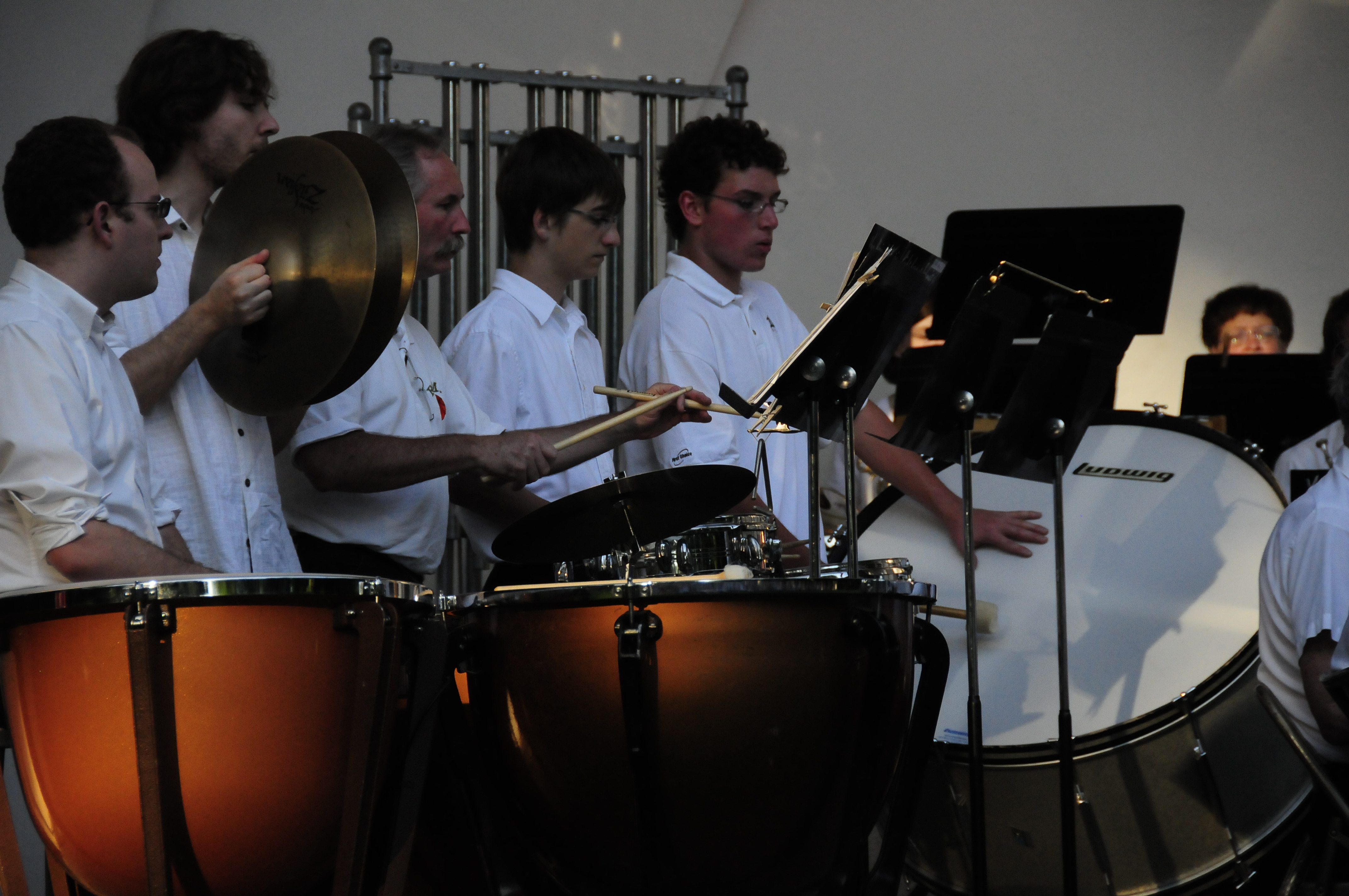
Percussion instruments form the rhythmic backbone of music worldwide, defined by the act of striking, scraping, or shaking to produce sound. This vast category encompasses everything from ancient bone flutes and hand drums to complex orchestral timpani and modern electronic drum machines. Historically, percussion instruments are among the oldest, with evidence of their use dating back tens of thousands of years, predating even the earliest string and wind instruments. Organologically, they are not a single class but rather a functional grouping, drawing members from idiophones (self-vibrating, like cymbals), membranophones (vibrating membranes, like drums), aerophones (vibrating air columns, like some whistles), and even chordophones (vibrating strings, like a hammered dulcimer). The global reach of percussion is immense, with distinct traditions and instruments found in virtually every culture, from the djembe of West Africa to the tabla of India and the gamelan ensembles of Indonesia. Today, percussion continues to evolve, integrating digital technology and expanding its sonic palette beyond traditional boundaries.
🎵 Origins & History
The lineage of percussion instruments stretches back to the dawn of humanity. Mesopotamian cultures used frame drums and sistra, while ancient Egyptians employed various drums and clappers. The Greeks and Romans utilized cymbals, tambourines, and various frame drums in religious ceremonies and military contexts. By the medieval period, instruments like the tabor drum and nakers (small kettle drums) became common.
⚙️ How It Works
At its core, a percussion instrument produces sound through vibration initiated by direct physical impact or friction. This can involve striking the instrument with a beater (mallet, stick, hand), rubbing its surface, or shaking it to agitate internal elements like beads or pebbles. Organologically, percussion instruments are classified by how they produce sound: idiophones vibrate themselves (e.g., xylophones, cymbals, triangles), membranophones use a stretched membrane (e.g., snare drums, timpani, congas), aerophones produce sound from vibrating air (e.g., some whistles or reed instruments played percussively), and chordophones can be struck (e.g., dulcimers). The material, shape, size, and tension of the vibrating element, along with the type of beater used, all profoundly influence the instrument's timbre, pitch, and dynamic range.
📊 Key Facts & Numbers
The drum kit, a staple of rock and jazz music, typically includes at least a bass drum, snare drum, hi-hat, and one or two cymbals, with many drummers utilizing 5-10 or more pieces.
👥 Key People & Organizations
Key figures in the evolution and popularization of percussion include composers like Edgard Varèse, whose works such as 'Ionisation' (1931) were groundbreaking in their use of percussion. In jazz, drummers like Buddy Rich and Max Roach redefined rhythmic possibilities. Organizations like the Percussive Arts Society (PAS), founded in 1961, play a crucial role in promoting percussion education, performance, and research worldwide, supporting thousands of members and publishing influential journals like 'Percussive Notes'.
🌍 Cultural Impact & Influence
Percussion instruments are fundamental to the sonic identity of countless musical genres, from the driving rhythms of rock and EDM to the intricate polyrhythms of jazz and the ceremonial beats of indigenous cultures. They provide the pulse, the accent, and often the melodic framework in many musical traditions. The visual and physical performance of percussion, particularly drumming, is often a spectacle in itself, contributing to the overall energy and engagement of a performance. The influence extends beyond music; the rhythmic patterns found in percussion have inspired dance forms, spoken-word performances, and even the design of kinetic sculptures. The ubiquity of the drum kit in popular music since the mid-20th century has cemented percussion's central role in modern soundscapes.
⚡ Current State & Latest Developments
The current landscape of percussion is characterized by a dynamic interplay between tradition and innovation. Orchestral percussionists are increasingly exploring extended techniques and new compositions that challenge conventional approaches. In popular music, electronic percussion pads and samplers, such as those from Roland and Yamaha, have become integral, allowing for a near-infinite range of sounds and rhythmic patterns. The rise of hybrid kits, blending acoustic drums with electronic triggers, offers performers unprecedented sonic flexibility. Furthermore, there's a growing global interest in exploring and reviving less common or endangered traditional percussion instruments and techniques, often facilitated by online communities and digital archives.
🤔 Controversies & Debates
One persistent debate revolves around the classification of percussion instruments. While organology, the scientific study of musical instruments, attempts to categorize instruments by their sound production mechanism (idiophone, membranophone, etc.), the term 'percussion' is often used functionally, encompassing instruments from multiple categories. This can lead to confusion, as an instrument like a marimba (an idiophone) is often grouped with drums (membranophones) under the 'percussion' umbrella. Another area of contention is the perceived hierarchy of instruments, with percussion sometimes historically relegated to a supporting rhythmic role rather than a primary melodic or harmonic one, a notion challenged by contemporary composers and performers who utilize percussion for its full expressive potential. The integration of electronic elements also sparks debate regarding authenticity and the definition of 'acoustic' versus 'electronic' percussion.
🔮 Future Outlook & Predictions
The future of percussion appears to be a fusion of hyper-realistic digital emulation and the continued exploration of acoustic possibilities. Expect further integration of artificial intelligence in drum machines and sequencers, enabling more complex and adaptive rhythmic generation. Virtual reality and augmented reality may offer new immersive performance and learning environments for percussionists. Acoustic instrument design will likely see advancements in material science, leading to novel timbres and enhanced playability. There's also a strong possibility of increased cross-pollination between traditional percussion practices from diverse cultures, leading to entirely new hybrid instrumental forms and musical styles, potentially driven by global online collaboration platforms like Soundtrap and BandLab.
💡 Practical Applications
Percussion instruments find applications across an astonishing spectrum of human activity. In music, they are indispensable for rhythm, tempo, and accentuation in virtually every genre, from classical orchestras and marching bands to rock concerts and electronic music festivals. Beyond performance, they are vital in music education, teaching fundamental concepts of rhythm, timing, and coordination. In therapeutic settings, drumming circles and rhythmic exercises are used for stress reduction, emotional expression, and cognitive rehabilitation. Percussive elements are also employed in sound design for film and video games to create atmosphere and impact. Even in non-musical contexts, rhythmic patterns are used in physical training, dance, and certain forms of communication or signaling.
Key Facts
- Category
- culture
- Type
- topic