
Contents
Overview
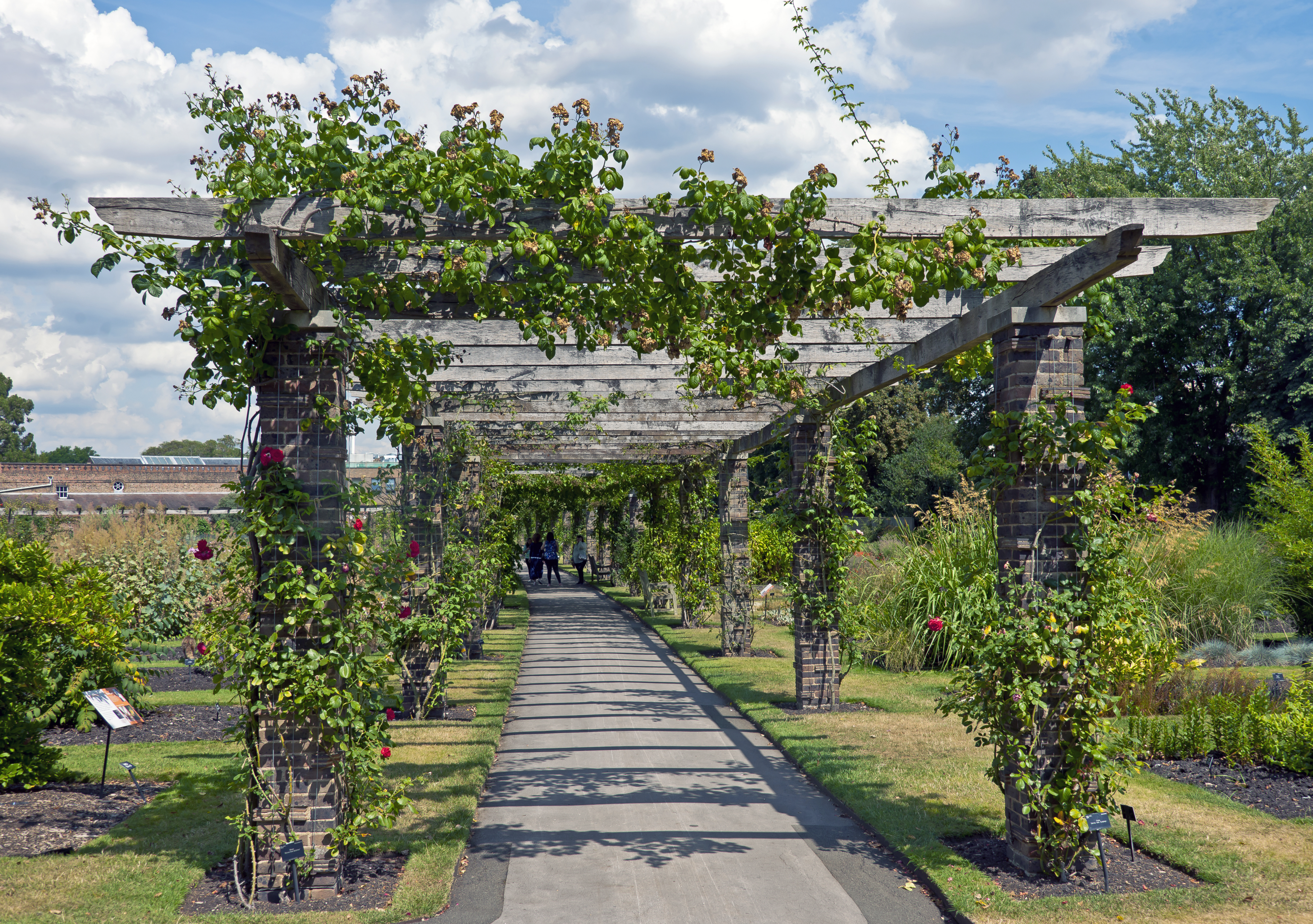
A pergola is an outdoor architectural element characterized by a framework of vertical posts supporting horizontal beams and an open lattice roof. Originating from the Latin 'pergula' meaning 'projecting eave,' these structures have evolved from simple garden features to sophisticated extensions of homes and public spaces. While often associated with supporting climbing plants, modern pergolas also serve as standalone architectural statements, providing shade, defining zones, and enhancing the aesthetic appeal of outdoor environments. Their versatility allows for integration with various architectural styles, from traditional gardens to contemporary patios, making them a popular choice for homeowners and designers alike. The distinction between pergolas, arbors, and gazebos lies primarily in their size, structure, and intended use, with pergolas typically being larger and more open-ended.
🎵 Origins & History
The concept of the pergola traces its lineage back to ancient Roman and Greek gardens, where similar structures were used to create shaded walkways and support grapevines. The term itself is derived from the Late Latin word 'pergula,' meaning 'projecting eave.' By the Renaissance, pergolas became more elaborate, often constructed from stone or brick, serving as elegant colonnades that framed views and provided cool retreats. The Victorian era saw a resurgence in their popularity, with ornate designs featuring intricate latticework and often incorporating built-in seating, blurring the lines with what we now distinguish as an arbor. The evolution from a purely functional garden support to a significant architectural element underscores a long-standing human desire to define and enhance outdoor living spaces.
⚙️ How It Works
At its core, a pergola is defined by its structural components: vertical posts or pillars and horizontal beams that create an open roof structure. These posts, typically anchored in concrete footings or attached to existing foundations, bear the load of the crossbeams and rafters. The roof is usually an open lattice, allowing dappled sunlight to filter through while offering a degree of shade. This open design distinguishes it from a solid-roofed patio cover or a fully enclosed gazebo. Modern pergolas can be constructed from a variety of materials, including wood (like cedar or redwood), aluminum, vinyl, or composite materials, each offering different aesthetic and maintenance profiles. Some designs incorporate retractable canopies or louvers, allowing for adjustable shade and weather protection, thereby enhancing their functionality beyond a static garden feature.
📊 Key Facts & Numbers
Globally, the market for pergolas and related outdoor structures is substantial. The demand for pergolas surged following the COVID-19 pandemic. Innovations in materials science have led to more durable, low-maintenance options, such as advanced composite woods and weather-resistant aluminum. Smart pergola systems, featuring integrated lighting, heating, and automated louvered roofs controlled via smartphone apps, are gaining traction. Furthermore, there's a growing trend towards sustainable design, with manufacturers exploring recycled materials and energy-efficient construction methods. The rise of prefabricated and modular pergola kits also signifies a shift towards more accessible and customizable outdoor solutions for homeowners.
👥 Key People & Organizations
While no single individual is credited with 'inventing' the pergola, its architectural development has been influenced by numerous designers and architects throughout history. Figures like Andrea Palladio, whose Renaissance architectural treatises documented classical forms, indirectly influenced the enduring appeal of such structures. In contemporary design, companies like Kestrel Louvers and Shade Structures LLC are at the forefront of innovative pergola design, integrating advanced materials and motorized systems. Landscape architects such as Robert Irwin have utilized pergolas to sculpt outdoor environments, emphasizing their role in defining space and guiding visual pathways. The ASLA frequently features pergola designs in their awards, highlighting their continued relevance in modern landscape architecture.
🌍 Cultural Impact & Influence
Pergolas have profoundly shaped the way we perceive and utilize outdoor spaces, transforming them from mere transitional areas into integral parts of a home or public venue. They are central to the concept of 'outdoor living,' providing a defined, comfortable, and aesthetically pleasing environment for relaxation, dining, and entertaining. Their presence in literature and art, from classical depictions of Roman gardens to modern landscape photography, underscores their enduring cultural significance. The pergola's ability to support climbing plants, such as wisteria and roses, further integrates them into natural settings, creating a romantic and organic ambiance. This integration has influenced garden design trends globally, promoting a more harmonious relationship between built structures and the natural world, as seen in the popularity of Japanese gardens and English landscape gardens.
⚡ Current State & Latest Developments
The pergola market is currently experiencing a surge in demand, driven by increased consumer interest in home improvement and outdoor living spaces, particularly following the COVID-19 pandemic. Innovations in materials science have led to more durable, low-maintenance options, such as advanced composite woods and weather-resistant aluminum. Smart pergola systems, featuring integrated lighting, heating, and automated louvered roofs controlled via smartphone apps, are gaining traction. Furthermore, there's a growing trend towards sustainable design, with manufacturers exploring recycled materials and energy-efficient construction methods. The rise of prefabricated and modular pergola kits also signifies a shift towards more accessible and customizable outdoor solutions for homeowners.
🤔 Controversies & Debates
One persistent debate surrounding pergolas centers on their classification and function. Are they purely decorative garden elements, or are they legitimate architectural extensions? This ambiguity can lead to differing building code interpretations and permit requirements. Another point of contention involves the environmental impact of materials used, particularly with the rise of vinyl and composite options, raising questions about their long-term recyclability and manufacturing footprint compared to traditional wood. The aesthetic debate also continues, with purists arguing for minimalist, nature-integrated designs versus those who favor elaborate, modern structures with integrated technology. The question of whether a pergola truly provides adequate shade or merely dappled light also sparks discussion among homeowners seeking practical outdoor comfort.
🔮 Future Outlook & Predictions
The future of pergolas points towards increased integration with smart home technology and a greater emphasis on sustainability. Expect to see more pergolas equipped with advanced climate control systems, solar power integration, and even built-in sound systems. The modularity and customization options will likely expand, allowing for highly personalized designs that adapt to specific site conditions and user needs. Biophilic design principles will also play a larger role, with pergolas increasingly incorporating living walls, integrated planters, and features that promote biodiversity. Furthermore, as urban density increases, pergolas may evolve into multi-functional urban furniture, providing shaded public spaces and vertical greening solutions in city centers, potentially blurring the lines with vertical gardening and urban planning initiatives.
💡 Practical Applications
Pergolas serve a multitude of practical functions across residential, commercial, and public spaces. In homes, they are commonly used to define patio areas, create shaded outdoor dining rooms, or provide a decorative transition between different garden zones. Commercially, they are employed to enhance restaurant patios, create inviting outdoor seating for cafes, and add architectural interest to public parks and plazas. They can also be used to support climbing plants that provide natural cooling and aesthetic appeal, or to house outdoor lighting and heating elements for extended usability. In some instances, pergolas are integrated with water features or serve as frameworks for decorative screens, adding layers of visual and sensory interest to an outdoor environment. Their adaptability makes them a versatile tool for landscape architects and designers seeking to maximize the utility and beauty of exterior spaces.
Key Facts
- Category
- aesthetics
- Type
- topic