
Contents
- 🎵 Origins & History
- ⚙️ How It Works
- 📊 Key Facts & Numbers
- 👥 Key People & Organizations
- 🌍 Cultural Impact & Influence
- ⚡ Current State & Latest Developments
- 🤔 Controversies & Debates
- 🔮 Future Outlook & Predictions
- 💡 Practical Applications
- 📚 Related Topics & Deeper Reading
- Frequently Asked Questions
- References
- Related Topics
Overview
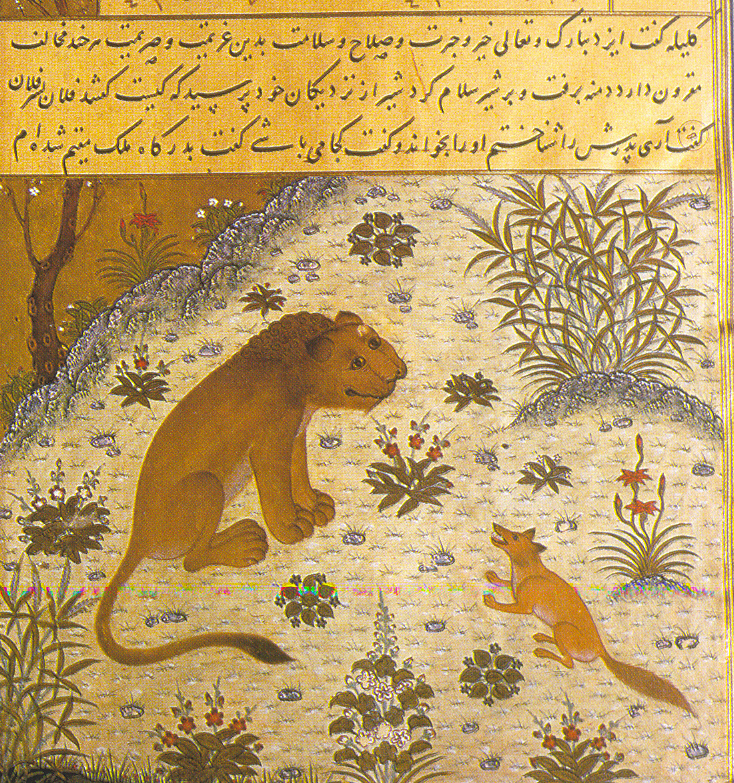
The origins of Persian literature are deeply entwined with the history of the Persian language itself, tracing back to the Achaemenid Empire (550–330 BCE) with early inscriptions and religious texts. However, the true flowering of classical Persian literature began in the post-Islamic era, particularly from the 9th century CE onwards, with the rise of dynasties like the Samanids who actively patronized Persian poets and scholars. This period saw the codification of the Persian literary canon, with monumental works like Ferdowsi's Shahnameh (completed around 1010 CE) solidifying a shared cultural identity across a vast geographical expanse. Subsequent centuries witnessed the golden age of Persian mystical poetry, with figures like Rumi (1207–1273) and Hafez (c. 1315–1390) producing verses that continue to resonate globally, influencing Sufism and philosophical thought far beyond Persia's borders. The Safavid dynasty (1501–1736) and later periods saw continued literary production, though often with shifts in patronage and regional focus, demonstrating the literature's adaptability across changing political landscapes.
⚙️ How It Works
Persian literature operates through a rich array of genres, with poetry forming its most celebrated pillar. Forms like the ghazal, qasida, masnavi, and rubai have been masterfully employed by poets to explore themes of love, mysticism, philosophy, and social commentary. Prose genres, including epic narratives, historical chronicles, didactic tales, and philosophical treatises, also form a significant part of the corpus. The transmission of these works historically relied on scribal copying and oral recitation, with the advent of printing in the 19th century revolutionizing dissemination. Modern Persian literature, particularly in the 20th and 21st centuries, has embraced novelistic and short story forms, engaging with contemporary issues and global literary trends, often through the lens of writers like Sadegh Hedayat and Forough Farrokhzad. The intricate use of metaphor, allegory, and sophisticated linguistic devices is a hallmark across its diverse forms.
📊 Key Facts & Numbers
The sheer scale of Persian literature is staggering: over 2,500 years of continuous literary production. It is estimated that the Shahnameh alone contains approximately 50,000 to 60,000 couplets. The collected works of Rumi, primarily the Masnavi-i Ma'navi, comprise over 25,000 verses. By the 15th century, the corpus of Persian poetry was so vast that anthologies were being compiled, with some containing works from hundreds of poets. Modern Iranian publishing sees thousands of new titles released annually, with fiction and poetry remaining dominant genres. Translations of Persian classics into over 50 languages have reached millions of readers worldwide, with Rumi's works consistently appearing on bestseller lists in countries like the United States, often outselling contemporary poets by significant margins.
👥 Key People & Organizations
The pantheon of Persian literature is vast, featuring luminaries like Ferdowsi (c. 940–1020), the epic poet credited with preserving the Persian language and national identity through the Shahnameh. Omar Khayyam (1048–1131) is celebrated for his philosophical quatrains, while Attar of Nishapur (c. 1145–1221) penned the influential mystical allegory The Conference of the Birds. Saadi of Shiraz (c. 1210–1291/1292) is revered for his ethical and lyrical poetry, notably in the Gulistan and Bustan. Beyond these giants, countless scholars, historians, and poets have contributed, including figures like Nizami Ganjavi (1141–1209), author of the Khamsa, and later modernists like Simin Daneshvar (1921–2012), author of the groundbreaking novel Savushun. Organizations like the Persian Academy of Language and Literature continue to play a role in standardizing and promoting the language and its literary heritage.
🌍 Cultural Impact & Influence
Persian literature's influence extends far beyond its linguistic borders, shaping intellectual and cultural landscapes across Asia and Europe. Its mystical poetry, particularly the works of Rumi, has profoundly impacted Sufi traditions and inspired Western poets and thinkers, including Coleman Barks, who popularized Rumi's work in English. The epic Shahnameh served as a foundational text for Persian identity and influenced epic traditions in neighboring cultures. Persian literary forms, such as the ghazal, were adopted and adapted by Urdu and Turkish poets, contributing to the rich literary heritage of the Indian subcontinent and the Ottoman Empire. Furthermore, Persian philosophical and scientific texts, translated into Latin and other European languages during the Middle Ages, played a crucial role in the transmission of knowledge and the development of Western thought, particularly in fields like astronomy and mathematics.
⚡ Current State & Latest Developments
In the 21st century, Persian literature continues to evolve, with contemporary Iranian authors and poets gaining international recognition. The diaspora has also become a significant hub for literary production, with writers in Europe and North America contributing to the ongoing narrative. Digital platforms and online literary journals have expanded access and fostered new forms of engagement, allowing for wider dissemination of both classical and contemporary works. There's a growing trend in translating modern Persian fiction into English and other languages, introducing a new generation of readers to the complexities of Iranian society and its rich cultural heritage. Initiatives like the Iran House of Art and Literature and various university programs globally are dedicated to preserving and promoting this living tradition.
🤔 Controversies & Debates
One of the most persistent debates surrounding Persian literature concerns its definition and geographical scope. While traditionally centered in Iran, its historical reach extended across Greater Iran, leading to discussions about whether literature produced in regions like Afghanistan or Tajikistan, even if in Persian, should be considered distinct. Another point of contention is the interpretation of mystical poetry: is it purely spiritual, or does it contain veiled political or social critique? The role of religion in Persian literature, particularly the influence of Islam and Sufism, is also a subject of ongoing scholarly analysis, with some arguing for its centrality and others highlighting secular or pre-Islamic influences. The translation of Persian poetry, especially Rumi's work, into English has also sparked debate regarding fidelity to the original meaning and the impact of Western interpretations on its reception.
🔮 Future Outlook & Predictions
The future of Persian literature appears robust, driven by a dynamic interplay between its classical foundations and contemporary global influences. We can anticipate a continued surge in translations of modern Persian novels and poetry, further integrating these voices into the global literary conversation. The digital realm will undoubtedly play an even larger role, facilitating new forms of authorship, collaboration, and readership engagement through online platforms and interactive media. There's also potential for increased cross-pollination with other art forms, such as film and visual arts, leading to innovative multimedia expressions of Persian narratives. The enduring appeal of its philosophical and mystical traditions suggests that Persian literature will continue to offer profound insights into the human condition, adapting to new challenges and inspiring future generations of writers and readers alike.
💡 Practical Applications
Persian literature's practical applications are primarily cultural and intellectual, serving as a cornerstone for identity, education, and cross-cultural understanding. Its classical poetry is widely used in Iranian traditional music and calligraphy, enriching artistic expression. The ethical teachings embedded in works like Gulistan by Saadi of Shiraz continue to be studied for moral guidance. In academia, Persian literature is a vital field of study for understanding Iranian history, philosophy, and religious thought. Furthermore, its translations offer profound insights into different worldviews, fostering empathy and dialogue between cultures, making it a tool for diplomacy and global understanding. The metaphorical richness of Persian poetry also finds application in therapeutic contexts, offering solace and introspection.
Key Facts
- Year
- c. 550 BCE - Present
- Origin
- Greater Iran
- Category
- culture
- Type
- concept
Frequently Asked Questions
What is the oldest known work of Persian literature?
While early inscriptions from the Achaemenid Empire (c. 550–330 BCE) exist, the earliest substantial literary works in what is recognized as classical Persian literature emerged in the post-Islamic era. The Shahnameh by Ferdowsi, completed around 1010 CE, is often considered a foundational text for its preservation of Persian language and mythology, though earlier poets like Rudaki (858–941 CE) also contributed significantly to the development of Persian poetry.
Who are the most influential Persian poets?
The pantheon of Persian poets is vast, but several stand out for their enduring influence. Ferdowsi is revered for his epic Shahnameh. Rumi is globally celebrated for his mystical and passionate poetry, particularly the Masnavi-i Ma'navi. Hafez is a master of the ghazal, known for his lyrical genius and philosophical depth. Saadi of Shiraz is celebrated for his ethical and didactic works like the Gulistan, and Omar Khayyam for his philosophical quatrains.
How has Persian literature influenced other cultures?
Persian literature has exerted a profound influence across Asia and beyond. Its mystical traditions, especially Rumi's poetry, have shaped Sufism and inspired countless spiritual seekers and writers globally. Persian literary forms, such as the ghazal, were adopted and adapted by poets in Urdu and Turkish, enriching the literary landscapes of the Indian subcontinent and the Ottoman Empire. Furthermore, Persian scientific and philosophical texts played a role in transmitting knowledge to medieval Europe.
What are the main genres of Persian literature?
Persian literature is characterized by a rich diversity of genres. Poetry is arguably its most famous manifestation, with forms like the ghazal (lyric ode), qasida (panegyric), masnavi (rhyming couplets, often for narrative or didactic purposes), and rubai (quatrain) being prominent. Prose genres include epic narratives like the Shahnameh, historical chronicles, didactic tales, philosophical treatises, and, in more modern times, novels and short stories, exemplified by writers like Sadegh Hedayat.
Is Rumi considered Persian literature?
Yes, Rumi is unequivocally a central figure in Persian literature. Although born in Balkh (in present-day Afghanistan) and later living in Konya (modern-day Turkey), he wrote his vast body of work in the Persian language, which was the lingua franca of scholarship and poetry across a wide region during his lifetime. His poetry is a cornerstone of classical Persian mystical literature and continues to be celebrated worldwide.
How can I start reading Persian literature?
A great starting point is to explore the translated works of its most celebrated poets. Begin with accessible translations of Rumi's Essential Rumi or Hafez's ghazals. For epic poetry, consider a good translation of Ferdowsi's Shahnameh. For prose, Sadegh Hedayat's The Blind Owl offers a glimpse into modern Persian fiction. Many university presses and independent publishers offer scholarly and popular translations.
What is the future outlook for Persian literature?
The future of Persian literature appears vibrant, with contemporary writers and poets actively engaging with global trends while drawing on their rich heritage. Increased translation efforts are expected to bring more modern Persian works to international audiences. Digital platforms will likely foster new forms of literary creation and dissemination, and cross-cultural collaborations may lead to innovative artistic expressions. The enduring philosophical and mystical themes within Persian literature suggest it will continue to offer profound insights and inspire readers for generations to come.