
Vibepedia

Piano: The Instrument of Expressive Depth | Vibepedia

Timeless Classic Culturally Significant Technologically Evolving
Piano: The Instrument of Expressive Depth | Vibepedia

The piano, with its origins dating back to the early 18th century, has evolved into a versatile instrument capable of producing a wide range of tonal colors…

Contents

  1. 🎹 Introduction to Piano
  2. 📜 History of Piano
  3. 🎵 Types of Pianos
  4. 👨‍🎤 The Pianist
  5. 🎶 Piano Music Genres
  6. 📊 Piano Construction
  7. 🎧 Piano Sound Production
  8. 📚 Learning to Play the Piano
  9. 🎯 Piano Maintenance and Care
  10. 👥 Famous Pianists
  11. 🏆 Piano Competitions
  12. 🤔 Future of Piano
  13. Frequently Asked Questions
  14. Related Topics

Overview

The piano, with its origins dating back to the early 18th century, has evolved into a versatile instrument capable of producing a wide range of tonal colors and dynamics. From its invention by Bartolomeo Cristofori in 1709 to the present day, the piano has been a cornerstone of classical music, with iconic composers such as Mozart, Beethoven, and Chopin contributing to its repertoire. The piano's mechanical complexity, featuring over 12,000 parts, including strings, hammers, and pedals, allows for nuanced expression, making it a favorite among musicians and composers. With a Vibe score of 82, the piano has had a profound influence on various genres, including jazz, rock, and pop, with legendary pianists like Duke Ellington, Elton John, and Lang Lang pushing the boundaries of its expressive potential. As technology advances, the piano continues to adapt, with digital pianos and hybrid instruments offering new possibilities for sound creation and performance. The controversy surrounding the role of the piano in modern music, with some arguing it has become less relevant in the age of electronic music, underscores the instrument's enduring impact and the ongoing debate about its place in the musical landscape.

🎹 Introduction to Piano

The piano is a versatile and expressive instrument, capable of producing a wide range of tones and dynamics. As a keyboard instrument, it is played by pressing keys that activate an action mechanism, where hammers strike strings to produce sound. Pianists, such as [[lang-lang|Lang Lang]] and [[martha-argerich|Martha Argerich]], have been known to create complex and beautiful music on the piano. The piano's expressive depth is due in part to its ability to produce a wide range of dynamics, from very soft to very loud. For more information on piano dynamics, see [[piano-dynamics|Piano Dynamics]]. The piano is also a popular instrument for [[music-therapy|Music Therapy]] and [[music-education|Music Education]].

📜 History of Piano

The history of the piano dates back to the early 18th century, when it was first invented by [[bartolomeo-cristofori|Bartolomeo Cristofori]]. Cristofori, an Italian instrument maker, created the first piano as a replacement for the harpsichord. Over the years, the piano has undergone many changes and improvements, including the addition of more keys and the development of new playing techniques. Today, pianos come in a variety of shapes and sizes, from the small [[toy-piano|Toy Piano]] to the large [[concert-piano|Concert Piano]]. For more information on the history of the piano, see [[history-of-piano|History of Piano]]. The piano has also been influenced by other instruments, such as the [[harpsichord|Harpsichord]] and the [[clavichord|Clavichord]].

🎵 Types of Pianos

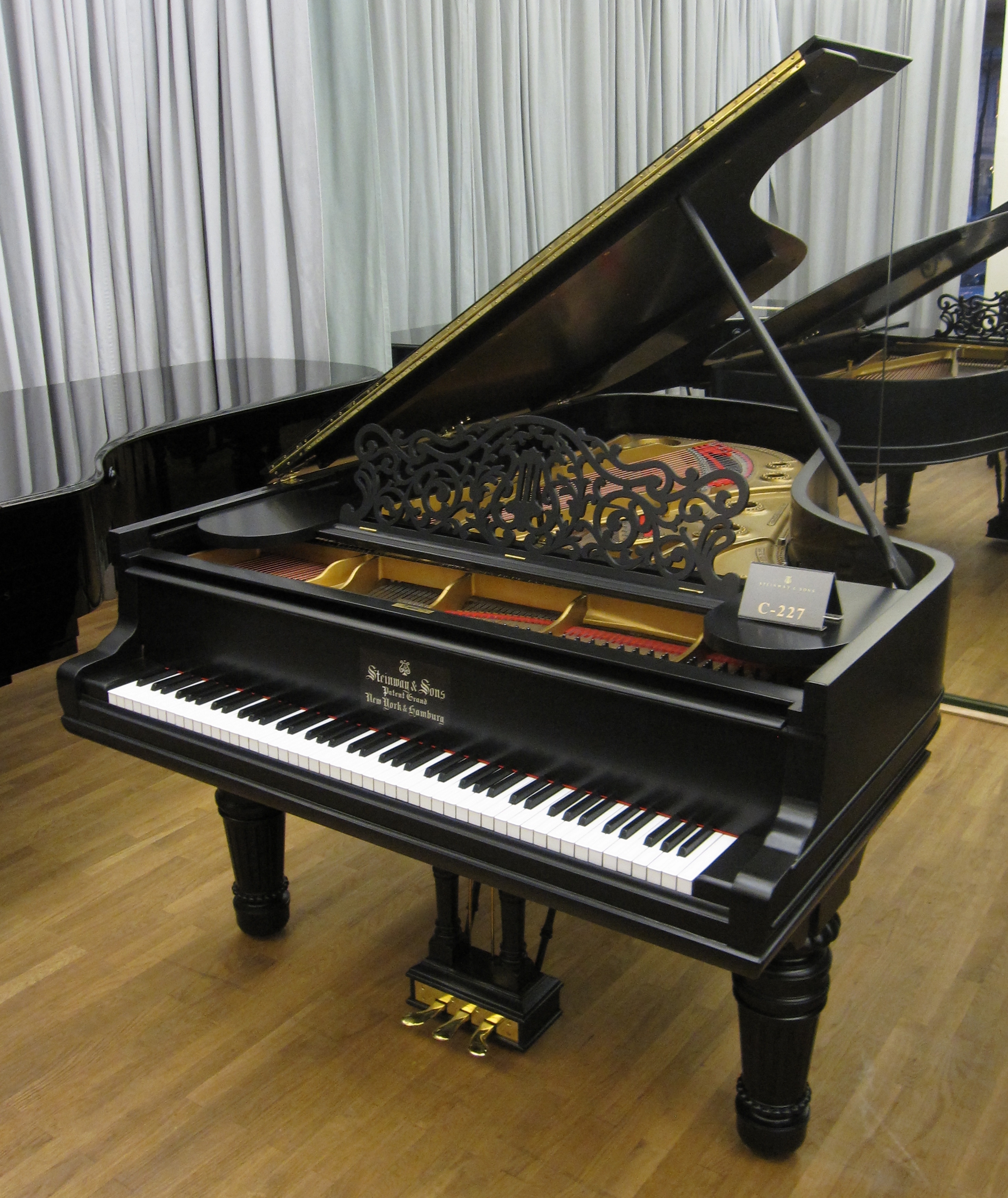
There are several types of pianos, each with its own unique characteristics and features. The most common type of piano is the [[acoustic-piano|Acoustic Piano]], which uses strings and hammers to produce sound. Other types of pianos include the [[digital-piano|Digital Piano]], which uses electronic signals to produce sound, and the [[hybrid-piano|Hybrid Piano]], which combines elements of both acoustic and digital pianos. For more information on the different types of pianos, see [[types-of-pianos|Types of Pianos]]. Pianos can also be classified by their size, with the [[upright-piano|Upright Piano]] being the most common type of home piano. The [[grand-piano|Grand Piano]] is another popular type of piano, known for its rich and resonant sound.

👨‍🎤 The Pianist

A pianist is a musician who specializes in playing the piano. Pianists can perform a wide range of music, from classical to jazz to pop. Some famous pianists include [[franz-liszt|Franz Liszt]], [[frédéric-chopin|Frédéric Chopin]], and [[sergei-rachmaninoff|Sergei Rachmaninoff]]. For more information on famous pianists, see [[famous-pianists|Famous Pianists]]. Pianists must have a strong understanding of music theory and technique, as well as the ability to express themselves through music. Many pianists also compose their own music, such as [[igor-stravinsky|Igor Stravinsky]] and [[dmitri-shostakovich|Dmitri Shostakovich]].

🎶 Piano Music Genres

The piano is a versatile instrument that can be used to play a wide range of music genres. From classical music to jazz and pop, the piano is an essential instrument in many different styles of music. For example, the piano is often used in [[classical-music|Classical Music]] to play complex and intricate melodies, while in [[jazz-music|Jazz Music]] it is often used to improvise and create new melodies. The piano is also used in [[pop-music|Pop Music]] to add depth and emotion to songs. For more information on the different genres of music, see [[music-genres|Music Genres]]. The piano has also been used in [[film-music|Film Music]] to create memorable and iconic soundtracks.

📊 Piano Construction

The construction of a piano is a complex and intricate process. The piano consists of several main components, including the soundboard, the strings, and the action mechanism. The soundboard is the large, flat piece of wood that amplifies the sound of the strings, while the strings are the long, thin pieces of metal that produce the sound when struck by the hammers. The action mechanism is the system of levers and hammers that connects the keys to the strings. For more information on piano construction, see [[piano-construction|Piano Construction]]. The piano also has a complex system of pedals, including the [[sustain-pedal|Sustain Pedal]] and the [[soft-pedal|Soft Pedal]].

🎧 Piano Sound Production

The sound production of a piano is a complex process that involves the interaction of several different components. When a key is pressed, it triggers a hammer to strike a string, producing sound. The sound is then amplified by the soundboard and projected out of the piano through the sound holes. The piano also has a system of dampers that can be used to mute the sound of the strings. For more information on piano sound production, see [[piano-sound-production|Piano Sound Production]]. The piano's sound can also be affected by the [[piano-tuning|Piano Tuning]] and the [[piano-maintenance|Piano Maintenance]].

📚 Learning to Play the Piano

Learning to play the piano can be a rewarding and challenging experience. There are many different methods and techniques for learning to play the piano, including private lessons and online tutorials. For more information on learning to play the piano, see [[learning-to-play-piano|Learning to Play Piano]]. Many pianists also start by learning to play simple melodies and exercises, such as [[hanon-exercises|Hanon Exercises]]. As they progress, they can move on to more complex pieces, such as [[chopin-nocturnes|Chopin Nocturnes]] and [[debussy-preludes|Debussy Preludes]].

🎯 Piano Maintenance and Care

Piano maintenance and care are essential to keeping the instrument in good working condition. This includes regular tuning, as well as cleaning and polishing the piano's surface. For more information on piano maintenance and care, see [[piano-maintenance|Piano Maintenance]]. The piano's action mechanism should also be regularly checked and adjusted to ensure that it is working properly. The [[piano-technician|Piano Technician]] is responsible for maintaining and repairing the piano. The piano's environment should also be controlled, with a stable [[temperature|Temperature]] and [[humidity|Humidity]] level.

👥 Famous Pianists

There have been many famous pianists throughout history, each with their own unique style and sound. Some examples include [[vladimir-horowitz|Vladimir Horowitz]], [[artur-rubinstein|Artur Rubinstein]], and [[emil-gilels|Emil Gilels]]. For more information on famous pianists, see [[famous-pianists|Famous Pianists]]. These pianists have helped to shape the world of classical music and have inspired generations of musicians. Many famous pianists have also been known for their [[piano-competitions|Piano Competitions]] and [[piano-recitals|Piano Recitals]].

🏆 Piano Competitions

Piano competitions are an important part of the music world, providing a platform for pianists to showcase their skills and compete with others. Some of the most prestigious piano competitions include the [[chopin-piano-competition|Chopin Piano Competition]] and the [[van-cliburn-piano-competition|Van Cliburn Piano Competition]]. For more information on piano competitions, see [[piano-competitions|Piano Competitions]]. These competitions can be a great way for pianists to gain recognition and launch their careers. Many pianists have also been known for their [[piano-performances|Piano Performances]] and [[piano-recordings|Piano Recordings]].

🤔 Future of Piano

The future of the piano is uncertain, as the music world continues to evolve and change. However, the piano remains a popular and versatile instrument, and it is likely that it will continue to play an important role in music for years to come. For more information on the future of the piano, see [[future-of-piano|Future of Piano]]. The piano has also been influenced by technology, with the development of [[digital-pianos|Digital Pianos]] and [[hybrid-pianos|Hybrid Pianos]]. Many pianists are also experimenting with new sounds and techniques, such as [[piano-preparation|Piano Preparation]] and [[extended-techniques|Extended Techniques]].

Key Facts

Year
1709
Origin
Italy
Category
Music
Type
Instrument

Frequently Asked Questions

What is the history of the piano?

The piano was first invented in the early 18th century by Bartolomeo Cristofori. Over the years, it has undergone many changes and improvements, including the addition of more keys and the development of new playing techniques. For more information on the history of the piano, see [[history-of-piano|History of Piano]]. The piano has also been influenced by other instruments, such as the [[harpsichord|Harpsichord]] and the [[clavichord|Clavichord]].

How do I learn to play the piano?

Learning to play the piano can be a rewarding and challenging experience. There are many different methods and techniques for learning to play the piano, including private lessons and online tutorials. For more information on learning to play the piano, see [[learning-to-play-piano|Learning to Play Piano]]. Many pianists also start by learning to play simple melodies and exercises, such as [[hanon-exercises|Hanon Exercises]].

What are the different types of pianos?

There are several different types of pianos, including the [[acoustic-piano|Acoustic Piano]], the [[digital-piano|Digital Piano]], and the [[hybrid-piano|Hybrid Piano]]. Each type of piano has its own unique characteristics and features. For more information on the different types of pianos, see [[types-of-pianos|Types of Pianos]].

How do I maintain and care for my piano?

Piano maintenance and care are essential to keeping the instrument in good working condition. This includes regular tuning, as well as cleaning and polishing the piano's surface. For more information on piano maintenance and care, see [[piano-maintenance|Piano Maintenance]]. The piano's action mechanism should also be regularly checked and adjusted to ensure that it is working properly.

What are some famous piano competitions?

Some of the most prestigious piano competitions include the [[chopin-piano-competition|Chopin Piano Competition]] and the [[van-cliburn-piano-competition|Van Cliburn Piano Competition]]. For more information on piano competitions, see [[piano-competitions|Piano Competitions]]. These competitions can be a great way for pianists to gain recognition and launch their careers.

What is the future of the piano?

The future of the piano is uncertain, as the music world continues to evolve and change. However, the piano remains a popular and versatile instrument, and it is likely that it will continue to play an important role in music for years to come. For more information on the future of the piano, see [[future-of-piano|Future of Piano]].

How does the piano work?

The piano works by using a system of hammers and strings to produce sound. When a key is pressed, it triggers a hammer to strike a string, producing sound. The sound is then amplified by the soundboard and projected out of the piano through the sound holes. For more information on how the piano works, see [[piano-sound-production|Piano Sound Production]].