
Contents
Overview
Political activism is the engine of societal change, a deliberate push to alter the course of social, political, economic, or environmental policy. It's not just about shouting from the rooftops; it encompasses everything from quiet lobbying of Public Officials to the thunderous roar of a Protest Movement. At its heart, activism is about channeling collective will into tangible action, aiming to nudge society toward a vision of the 'common good,' though what constitutes 'good' is perpetually debated. Think of it as the ongoing, often messy, negotiation of what a society should be, driven by citizens who refuse to accept the status quo. This field guide aims to map this dynamic terrain, from local community organizing to global Human Rights Movements.
📍 Where to Find Activism
Activism isn't confined to a single postcode; it thrives globally, manifesting in diverse forms across different Geopolitics. You'll find it in the streets of Paris Protests during general strikes, in the digital battlegrounds of Digital Activism, and within the hallowed halls of United Nations. Local activism often centers on specific community issues, like advocating for better Public Transit or opposing a new development. Global movements, conversely, tackle issues like Climate Change Activism or Global Inequality. Understanding the local context is crucial, as tactics and impact vary wildly from one locale to another.
⚡️ Vibe Score & Intensity
The Vibe Score for political activism is a dynamic 85/100, reflecting its high cultural energy and persistent presence in public discourse. This score fluctuates based on major events, such as elections, international summits, or significant social upheavals. The intensity of activism can range from a low hum of ongoing advocacy to a deafening crescendo during moments of crisis or opportunity. High-intensity periods, like the Arab Spring Uprisings (Vibe Score 92/100) or the Black Lives Matter Movement (Vibe Score 90/100), demonstrate the potent force of collective action when it reaches critical mass. Conversely, periods of relative calm might see a Vibe Score of 70/100, indicating sustained but less visible organizing efforts.
⚖️ Controversy Spectrum
The Controversy Spectrum for political activism hovers around 7.5/10, indicating significant ongoing debate and disagreement. While the idea of civic participation is widely accepted, the methods and goals of specific activist groups are frequently contested. Debates rage over the efficacy of disruptive tactics versus polite petitioning, the definition of 'the common good,' and the influence of external funding on activist agendas. For instance, the debate around Environmental Activism tactics, from tree-sitting to pipeline protests, highlights this spectrum. Similarly, discussions around Election Integrity activism reveal deep ideological divides. This inherent tension is what fuels the continuous evolution of activism.
💰 Cost & Investment
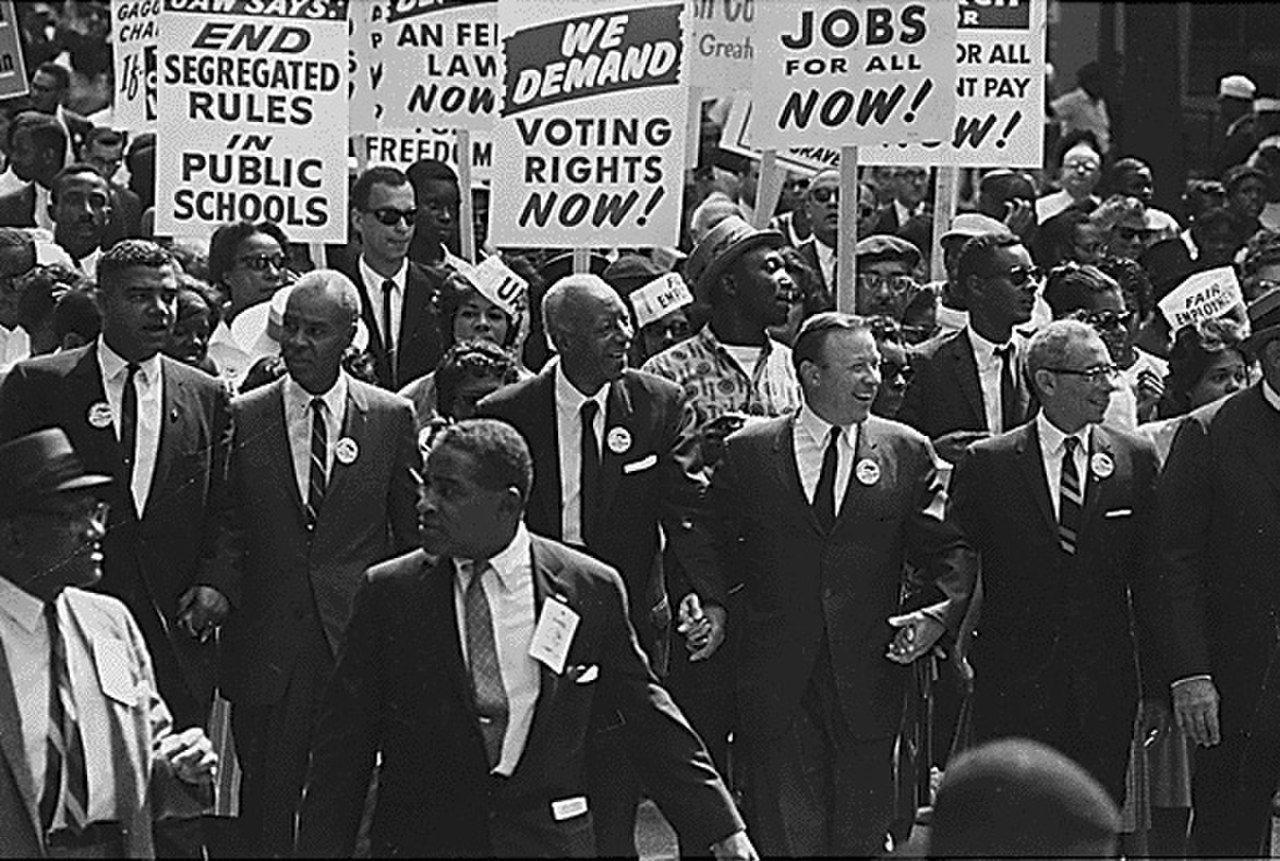
The 'cost' of political activism is multifaceted, extending beyond mere monetary investment. For individuals, the primary investment is often Time Management, which can be substantial. Monetary costs can include donations to organizations, travel expenses for events, or the purchase of materials for campaigns. For organizations, costs involve staffing, communication, legal support, and event logistics. Some forms of activism, like Online Petitions, have near-zero monetary cost but require significant digital reach. Others, like organizing large-scale Demonstrations and Marches, can incur substantial expenses, sometimes offset by crowdfunding or grants. The return on investment is rarely financial, focusing instead on policy change, public awareness, or shifting cultural norms.
🛠️ Tools of the Trade
The toolkit of a political activist is vast and ever-expanding, blending traditional methods with cutting-edge digital strategies. Essential tools include Communication Tools for organizing and disseminating information, ranging from email lists and social media to encrypted messaging apps. Data Analysis are crucial for building evidence-based arguments and tracking progress. Traditional tools like Print Media still hold sway for local outreach, while digital tools like Website Development and Online Advertising are vital for broader reach. Understanding how to effectively deploy these tools, from Grassroots Organizing to Digital Campaigning, is key to successful activism.
⭐ What People Say
Public opinion on political activism is a complex mosaic. Many view activists as essential watchdogs, holding power accountable and driving necessary social progress. They are often lauded for giving voice to the marginalized and challenging entrenched injustices. However, a significant portion of the public views certain activist tactics as disruptive, counterproductive, or even dangerous. Critics may question the motives of activists, their understanding of complex policy issues, or the legitimacy of their demands. This duality means that the perception of activism is constantly being shaped by media narratives, the success or failure of specific campaigns, and the broader political climate. For example, Civil Disobedience is often praised in retrospect but criticized in the moment.
🚀 Getting Started
To engage with political activism, start by identifying an issue that resonates deeply with you. Research local and national organizations working on that issue; Vibepedia's Vibepedia Knowledge Graph can help map these connections. Attend a local meeting or an introductory event to get a feel for the group's approach and culture. Consider your available resources—time, skills, and financial capacity—and choose an activity that aligns. Whether it's signing a Online Petitions, volunteering for a campaign, or participating in a peaceful demonstration, every action contributes. Don't underestimate the power of consistent, informed engagement; it's the bedrock of lasting change.
Key Facts
- Year
- Ancient History (formalized in 18th Century)
- Origin
- Ancient Greece (e.g., citizen participation in Athenian democracy)
- Category
- Social Movements & Political Science
- Type
- Concept/Field
Frequently Asked Questions
What's the difference between activism and advocacy?
Advocacy is generally about supporting or recommending a particular cause or policy, often through direct communication with decision-makers. Activism is broader and often involves more direct action, public demonstration, and a wider range of tactics aimed at creating systemic change. While advocacy can be a component of activism, activism typically implies a more proactive and sometimes disruptive engagement with the status quo.
Is all political activism legal?
No, not all political activism is legal. While many forms, like petitioning or peaceful assembly, are protected rights, some tactics, such as civil disobedience, trespassing, or blocking public access, may involve breaking laws. Activists often weigh the potential legal consequences against the perceived moral imperative and potential impact of their actions. Understanding the legal boundaries and potential repercussions is a critical aspect of strategic activism.
How can I measure the success of activism?
Measuring success in activism is complex and rarely straightforward. Success can be defined by policy changes, increased public awareness, shifts in public opinion, the mobilization of new participants, or the prevention of a negative outcome. Long-term impact is often difficult to quantify immediately, and many campaigns achieve partial victories or lay the groundwork for future successes. It requires looking beyond immediate outcomes to broader societal shifts.
What are the risks associated with political activism?
Risks vary widely depending on the context and tactics employed. They can include legal repercussions (arrests, fines, imprisonment), social repercussions (ostracism, job loss), physical harm (from counter-protesters or authorities), surveillance, and psychological stress. Digital activism also carries risks like doxxing, online harassment, and data breaches. Thorough risk assessment and safety planning are essential for activists.
How do I find activist groups that align with my values?
Start by identifying the specific issues you care about. Search online for organizations working on those issues, using keywords related to your cause and location. Look at the 'About Us' or 'Mission' pages of their websites to understand their goals and methods. Attending public meetings or introductory events can also give you a firsthand sense of a group's culture and effectiveness. Vibepedia's Vibepedia Knowledge Graph can also help identify interconnected groups and movements.