
Contents
Overview
The genesis of prairie ecosystems is deeply rooted in geological history and climate shifts following the last glacial period, approximately 10,000 years ago. As glaciers receded, prevailing winds and moderate rainfall patterns favored the establishment of grasses over trees across vast continental interiors, particularly in North America. Indigenous peoples have shaped these landscapes for millennia, employing fire management techniques to maintain open grasslands for hunting and agriculture. The arrival of European settlers marked a dramatic turning point, initiating widespread conversion of prairies for farming, a process accelerated by westward expansion and the development of technologies like the steel plow in the 1830s. Early naturalists like John Muir documented the ecological richness of these regions, while figures like Aldo Leopold later championed their preservation.
⚙️ How It Works
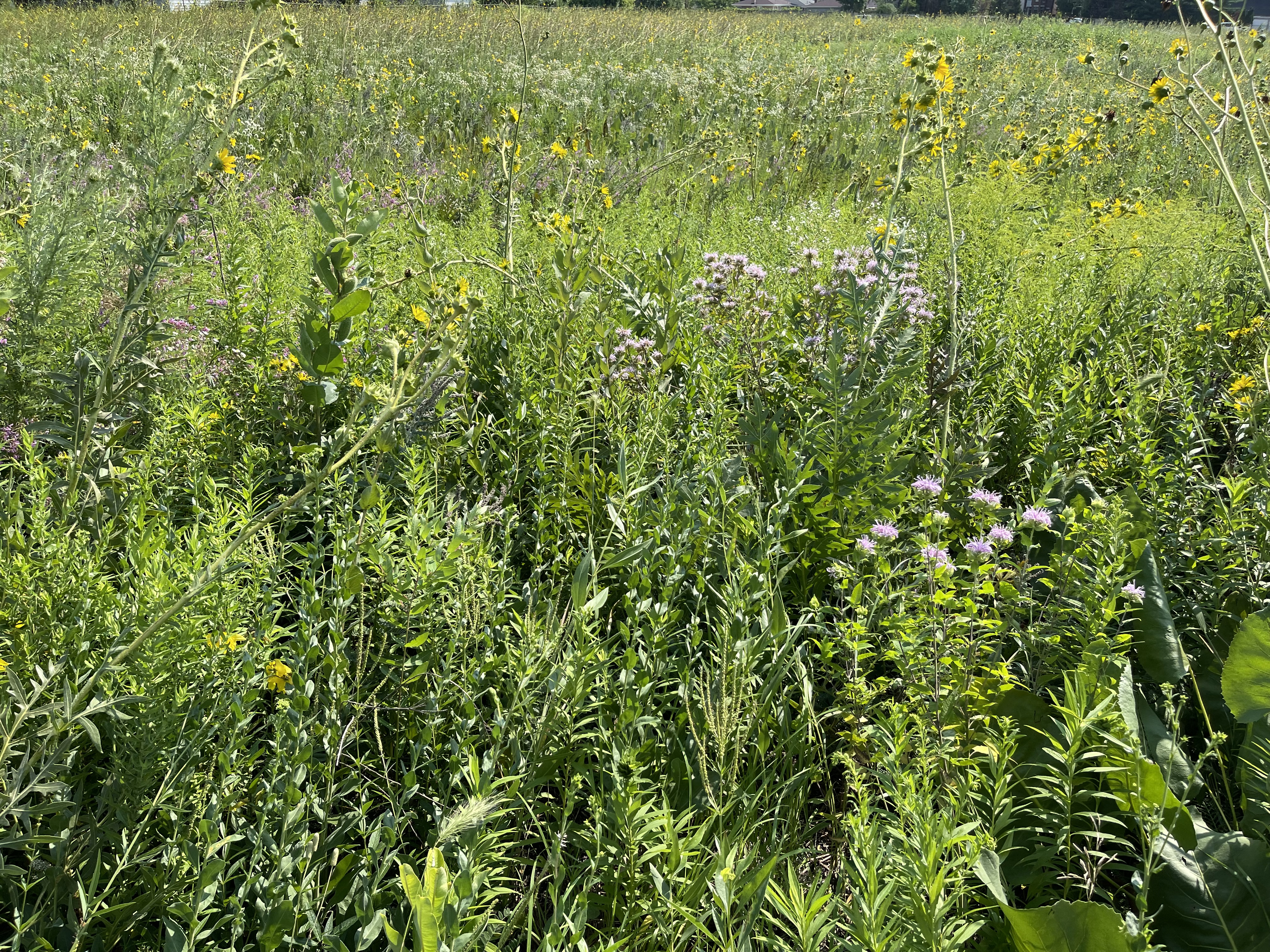
Prairie ecosystems function as complex, dynamic systems driven by a delicate balance of abiotic and biotic factors. Rainfall, typically ranging from 10 to 30 inches annually, is a primary determinant, influencing grass height and species composition, from the arid shortgrass prairie to the mesic tallgrass prairie. Fire, whether natural or human-induced, is a critical disturbance that prevents woody encroachment, recycles nutrients, and stimulates grass growth. Large grazing herbivores, historically bison, pronghorn, and elk, shape plant communities through selective grazing and trampling, creating microhabitats and influencing nutrient cycling. Soil microbial communities are vital for decomposition and nutrient availability, forming the foundation of this productive biome. The intricate root systems of prairie grasses, often extending several feet deep, are crucial for soil stability and water retention.
📊 Key Facts & Numbers
Prairie soils can sequester carbon up to 10 times higher than in converted agricultural lands. The conversion to agriculture has been staggering: by the early 20th century, over 100 million acres of prairie had been plowed for corn and wheat cultivation. These grasslands support an estimated 3,000 species of plants and animals, with over 500 species of insects found in a single acre of tallgrass prairie. The bison population, once estimated at 30-60 million, was reduced to fewer than 1,000 by the late 19th century. Soil carbon sequestration in prairie soils can be up to 10 times higher than in converted agricultural lands, holding an estimated 70% of the world's terrestrial soil carbon.
👥 Key People & Organizations
Key figures in understanding and conserving prairie ecosystems include George Washington Carver, whose work on soil conservation and crop rotation in the early 20th century indirectly addressed prairie health, and Stephen Forbes, an early entomologist who studied prairie insect life. Organizations like the The Nature Conservancy have been instrumental in acquiring and protecting vast tracts of prairie land, while the Tallgrass Prairie Preserve in Oklahoma, managed by The Nature Conservancy, is the largest remaining unit of this ecosystem. The U.S. Fish and Wildlife Service manages numerous national wildlife refuges dedicated to prairie habitat. Research institutions like the Konza Prairie Biological Station in Kansas provide critical long-term data on prairie dynamics under various management regimes.
🌍 Cultural Impact & Influence
Prairie ecosystems hold profound cultural significance, particularly for the Indigenous peoples of North America, who have lived in and shaped these lands for millennia, developing rich traditions and spiritual connections to the natural world. The vast, open vistas of the prairie have inspired artists, writers, and musicians, becoming an enduring symbol of the American West and the concept of freedom and opportunity. The iconic image of the bison roaming free is deeply embedded in national identity. However, the narrative of the prairie is also one of loss and transformation, as its conversion to farmland represents a fundamental reshaping of the continent's ecology and economy, influencing everything from food production to rural livelihoods and the very definition of the American landscape.
⚡ Current State & Latest Developments
Prairie ecosystems are at a critical juncture, with ongoing efforts to balance agricultural productivity with biodiversity conservation. Restoration projects are gaining traction, employing techniques like prescribed burning and reintroduction of grazing animals to revive degraded lands. The Conservation Reserve Program (CRP) in the United States offers incentives for farmers to convert environmentally sensitive land, including former prairie, back to a more natural state. However, challenges persist: habitat fragmentation due to infrastructure development, the spread of invasive plant species like cheatgrass, and the impacts of climate change, such as altered precipitation patterns and increased drought frequency, continue to threaten prairie resilience. New research is exploring the potential of prairie plants for biofuel production and carbon sequestration, offering potential economic incentives for conservation.
🤔 Controversies & Debates
The primary controversy surrounding prairie ecosystems centers on land use. For decades, the debate has pitted the immense productivity of prairie soils for agriculture against the ecological necessity of preserving these unique and endangered habitats. Critics of conversion argue that the long-term ecological costs, including soil erosion, loss of biodiversity, and diminished carbon sequestration, outweigh the short-term economic gains. Conversely, proponents of agricultural use emphasize the need to feed a growing global population and the economic viability of farming these fertile lands. Another debate revolves around the efficacy and scale of restoration efforts: can these fragmented remnants truly replicate the complexity of the original ecosystems, and are current conservation strategies sufficient to protect them from ongoing anthropogenic pressures and climate change?
🔮 Future Outlook & Predictions
The future of prairie ecosystems hinges on innovative conservation strategies and a shift in land management paradigms. Experts predict that with intensified conservation efforts, including large-scale habitat restoration and the establishment of ecological corridors, significant portions of degraded prairie could be revitalized by 2050. The development of 'carbon farming' initiatives, where farmers are compensated for sequestering carbon in prairie soils, could provide a powerful economic incentive for conservation. Furthermore, advancements in genetic research may enable the reintroduction of key prairie species or the development of more resilient native plant varieties. However, without robust policy support and a broader societal appreciation for the ecological services prairies provide, the long-term outlook remains precarious, with continued fragmentation and biodiversity loss a distinct possibility.
💡 Practical Applications
Prairie ecosystems offer a range of practical applications, primarily centered on ecological services and sustainable land management. Their highly fertile soils are fundamental to global agriculture, supporting the production of staple crops like corn, wheat, and soybeans. The deep root systems of prairie grasses are exceptional at preventing soil erosion and improving water infiltration, making them valuable for watershed protection. Furthermore, prairies are significant carbon sinks; their soils store vast amounts of carbon, making their preservation crucial for climate change mitigation. Restoration efforts can create habitats for pollinators and other beneficial insects, supporting adjacent agricultural operations. Research into prairie plants also explores their potential for biofuel production and as sources for pharmaceuticals.
Key Facts
- Category
- nature
- Type
- topic