
Contents
Overview
Preventative healthcare encompasses all measures designed to stop diseases before they start, or to catch them at their earliest, most treatable stages. It acknowledges that health is a dynamic process influenced by genetics, environment, lifestyle, and exposure to pathogens, and intervenes proactively rather than reactively. This includes a spectrum of actions from primal prevention (altering environmental or social conditions) to primary (reducing exposure to risk factors), secondary (early detection through screenings and diagnostics), and tertiary prevention (managing existing conditions to prevent complications). Billions are spent annually on treatments for conditions that could have been prevented or mitigated, with studies indicating a significant portion of deaths stem from preventable behaviors and exposures. Services range from routine vaccinations and dental cleanings to complex genetic screenings and personalized lifestyle counseling, aiming to empower individuals and communities to maintain well-being and reduce the burden of chronic disease.
🎵 Origins & History
The roots of preventative healthcare stretch back to ancient civilizations. Hippocrates, often called the 'father of medicine' in the 4th century BCE, emphasized the role of diet, environment, and lifestyle in health, advocating for observation and prevention over solely treating symptoms. Early public health measures, like sanitation systems developed in ancient Rome, also represent primal prevention, addressing environmental factors to curb disease spread. The Enlightenment era saw a resurgence of interest in public health. The 20th century brought a deeper understanding of genetics and the development of sophisticated screening technologies, moving preventative care from general advice to data-driven interventions. Organizations like the World Health Organization (WHO) have been instrumental in globalizing preventative health strategies and setting international standards for disease control and health promotion.
⚙️ How It Works
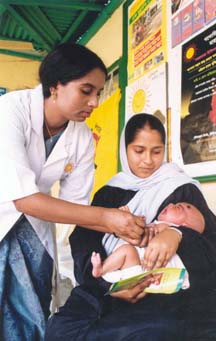
Preventative healthcare operates across multiple tiers. Primal prevention aims to prevent the onset of disease risk factors by influencing social and environmental conditions, such as advocating for clean air policies or promoting healthy community design. Primary prevention focuses on reducing exposure to risk factors and preventing disease initiation, exemplified by vaccination programs against infectious diseases like measles and influenza, or advising against smoking to prevent lung cancer. Secondary prevention involves early detection of disease through screenings like mammograms for breast cancer or colonoscopies for colorectal cancer, enabling timely intervention. Tertiary prevention aims to reduce the impact of established disease and prevent complications, seen in cardiac rehabilitation programs for heart disease patients or diabetes management to avoid kidney disease. Quaternary prevention, a newer concept, seeks to protect individuals from medical interventions that may cause harm.
📊 Key Facts & Numbers
Globally, preventable diseases and risk factors account for a staggering burden. The Centers for Disease Control and Prevention (CDC) reports that chronic diseases, many of which are preventable, account for $3.8 trillion in annual healthcare costs in the US. Globally, the WHO estimates that 70% of deaths are due to non-communicable diseases, largely driven by modifiable risk factors like poor diet, lack of physical activity, and tobacco use. Investment in preventative care has shown significant returns; for every $1 invested in public health initiatives, $4 to $9 are saved in future healthcare costs.
👥 Key People & Organizations
Key figures in preventative healthcare span medical pioneers, public health advocates, and policymakers. René Dubos, a French-American microbiologist, championed the concept of 'man adapting to his environment' and the importance of social and environmental factors in health. Organizations like the American Heart Association and the Cancer Research UK are major forces in funding research, raising awareness, and advocating for preventative measures against cardiovascular disease and cancer, respectively. Public health agencies such as the UK's Public Health England (now part of the UK Health Security Agency) play a crucial role in implementing national screening programs and health promotion campaigns.
🌍 Cultural Impact & Influence
The cultural resonance of preventative healthcare has grown significantly, shifting the public perception from a reactive 'sick care' model to a proactive 'health care' paradigm. The rise of wellness culture, fueled by social media influencers and fitness trackers like Fitbit, has popularized concepts like mindful eating, regular exercise, and stress management. Public health campaigns, from anti-smoking advertisements to campaigns promoting flu shots, have become ingrained in societal consciousness. However, this increased focus also brings challenges, as the emphasis on individual responsibility can sometimes overshadow systemic issues like socioeconomic disparities and environmental determinants of health. The normalization of regular check-ups and screenings, once novel, is now a widely accepted societal expectation in many developed nations.
⚡ Current State & Latest Developments
Current developments in preventative healthcare are heavily influenced by technological advancements and data analytics. Genomic sequencing is becoming more accessible, enabling personalized risk assessments for conditions like hereditary cancers and Alzheimer's disease. Artificial intelligence (AI) is being deployed to analyze vast datasets for early disease detection in medical imaging, predict outbreaks, and personalize intervention strategies. Telehealth platforms, accelerated by the COVID-19 pandemic, are expanding access to remote consultations, health coaching, and chronic disease management. Wearable technology continues to evolve, offering continuous monitoring of vital signs and activity levels, providing real-time data for both individuals and healthcare providers. Precision medicine, tailoring treatments and preventative strategies based on an individual's genetic makeup, lifestyle, and environment, is a rapidly advancing frontier.
🤔 Controversies & Debates
Significant debates surround preventative healthcare. One major controversy is the balance between individual autonomy and public health mandates, particularly concerning vaccine mandates and lifestyle regulations like sugar taxes or smoking bans. The cost-effectiveness of widespread screening programs is also debated; while beneficial for early detection, overscreening can lead to unnecessary anxiety, false positives, and costly follow-up procedures. There's also a tension between the medicalization of health, where every potential risk is identified and managed, versus a more holistic approach that emphasizes natural well-being. Furthermore, questions arise about equity and access, as advanced preventative technologies and personalized interventions can be prohibitively expensive, potentially exacerbating health disparities between socioeconomic groups. The ethical implications of genetic screening, including potential discrimination by insurers or employers, remain a persistent concern.
🔮 Future Outlook & Predictions
The future of preventative healthcare is poised for significant transformation, driven by predictive analytics and personalized interventions. Expect a greater integration of wearable technology and Internet of Things (IoT) devices into daily life, providing continuous health monitoring and early alerts. AI in healthcare will likely become more sophisticated, capable of identifying subtle patterns indicative of disease onset long before symptoms appear. Gene editing technologies like CRISPR-Cas9 may offer novel ways to correct genetic predispositions to certain diseases, though ethical and safety concerns will persist. The focus will increasingly shift towards 'predictive and personalized' medicine, where interventions are tailored to an individual's unique biological profile and environmental exposures. Public health initiatives will likely leverage big data to target interventions more
💡 Practical Applications
Practical applications of preventative healthcare are diverse and accessible. They include routine vaccinations for children and adults to prevent infectious diseases, regular dental check-ups for oral hygiene, and screenings like blood pressure checks to monitor for hypertension. Lifestyle counseling on nutrition, exercise, and stress management empowers individuals to make healthier choices. Public health campaigns promote awareness about risks associated with obesity, alcohol consumption, and sedentary behavior. Even simple measures like handwashing and safe food handling contribute to preventing the spread of pathogens. For those with existing conditions, tertiary prevention strategies like medication adherence and physical therapy are crucial to manage their health and prevent further complications.
Key Facts
- Category
- science
- Type
- topic