
Contents
Overview
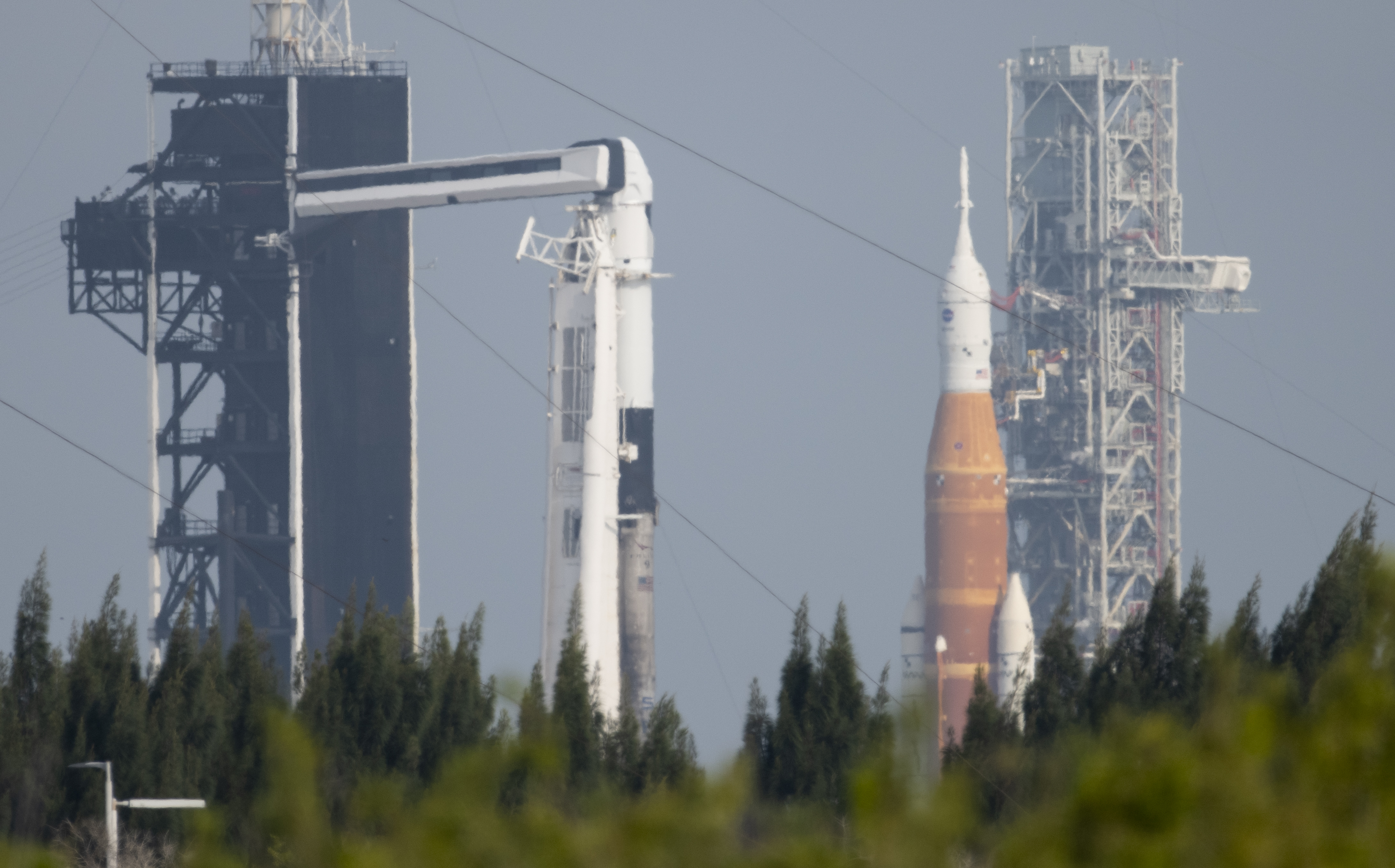
The roots of private spaceflight investment can be traced back to the early days of the Space Age, where government agencies like NASA and the European Space Agency relied on private contractors for hardware development. Companies like Northrop Grumman (formerly Orbital ATK) and Lockheed Martin built rockets and satellites under government contracts. However, the true genesis of independent private spaceflight investment emerged in the late 20th and early 21st centuries. Arianespace pioneered commercial launch services, demonstrating that private entities could operate in space. The pivotal shift, however, came with the rise of billionaire entrepreneurs. Elon Musk founded SpaceX with the audacious goal of reducing space transportation costs and enabling Mars colonization. Simultaneously, Jeff Bezos launched Blue Origin, aiming for a future where millions live and work in space. These ventures, fueled by personal fortunes and later by significant external investment, fundamentally altered the investment landscape, moving beyond government contracts to speculative, high-risk, high-reward ventures.
⚙️ How It Works
Private spaceflight investment operates by channeling capital from a variety of sources into companies developing space technologies. This capital is deployed across the entire value chain: early-stage venture funding for startups with novel concepts, growth equity for scaling established companies, and even public market investment once companies go public. Investment theses often center on the potential for recurring revenue streams from launch services, the vast market for satellite data and connectivity (e.g., Starlink by SpaceX), or the long-term prospect of space tourism and resource utilization. Investors, ranging from institutional funds like Fidelity Investments to individual angel investors and sovereign wealth funds, assess these opportunities based on technological feasibility, market demand, regulatory environments, and the leadership team's ability to execute. The high capital intensity and long development cycles mean that investments are typically long-term, with significant risk but also the potential for outsized returns if technological hurdles are overcome and viable markets are established.
📊 Key Facts & Numbers
The financial scale of private spaceflight investment is staggering. As of early 2024, the global space economy, encompassing private and public activities, is valued at over $500 billion annually, with private investment forming a rapidly growing segment. Venture capital funding alone poured over $10 billion into private space companies in 2021, a record year, according to reports from the Space Capital firm. SpaceX alone has achieved a valuation exceeding $180 billion, making it one of the most valuable private companies globally. Blue Origin is valued at over $100 billion, and Virgin Galactic has a market capitalization in the billions, though it has faced significant volatility. The number of private space companies has surged from fewer than 50 in 2010 to over 1,000 by 2023, indicating a broad-based investor interest across diverse sub-sectors like launch, satellites, in-space manufacturing, and space debris removal.
👥 Key People & Organizations
The landscape of private spaceflight investment is dominated by a few visionary individuals and a growing ecosystem of firms. Elon Musk, through SpaceX, has not only attracted immense capital but also driven down launch costs with reusable rocket technology like the Falcon 9. Jeff Bezos's Blue Origin is a significant player, focusing on heavy-lift rockets and space tourism. Richard Branson's Virgin Galactic has been a pioneer in suborbital space tourism. Beyond these titans, venture capital firms like Andreessen Horowitz, Sequoia Capital, and Accel have made substantial investments. Specialized funds such as Space Capital and Seraphim Space Investment Trust focus exclusively on the sector. Government agencies like NASA also play a crucial role through programs like Commercial Crew Program and Commercial Resupply Services, which provide crucial early contracts and de-risk private ventures.
🌍 Cultural Impact & Influence
Private spaceflight investment is reshaping not just the aerospace industry but also broader cultural perceptions of space. The success of companies like SpaceX has transformed space from a domain of government-led exploration into a tangible commercial frontier, sparking a new generation's interest in STEM fields. The aspirational narratives of Mars colonization and space tourism, heavily promoted by figures like Elon Musk and Richard Branson, have captured public imagination, influencing popular culture, science fiction, and even fashion. The increasing accessibility of space, driven by reduced launch costs, is fostering a sense of a 'new space race' where private entities compete and collaborate. This shift has also led to the creation of new occupations, such as Commercial Astronaut, recognized by the Federal Aviation Administration, highlighting the profound societal impact of this investment wave.
⚡ Current State & Latest Developments
The current state of private spaceflight investment is characterized by rapid expansion and diversification. In 2024, significant capital continues to flow into companies developing next-generation launch systems, including SpaceX's Starship program and Blue Origin's New Glenn. The satellite industry, particularly for broadband constellations like Starlink and OneWeb, remains a major investment magnet. Emerging areas attracting attention include in-space servicing, assembly, and manufacturing (ISAM), asteroid mining, and lunar resource utilization, with companies like Astro Forge and iSpace making strides. Despite economic headwinds, the long-term strategic importance of space is driving sustained investment, with governments increasingly partnering with private entities for lunar and Martian exploration through programs like Artemis.
🤔 Controversies & Debates
Private spaceflight investment is not without its controversies and debates. A primary concern is the immense capital required, leading to a concentration of power and influence among a few billionaires and large investment firms, potentially creating monopolies or stifling smaller innovators. The environmental impact of increased rocket launches, including carbon emissions and atmospheric pollution, is another growing area of debate, with critics questioning the sustainability of rapid expansion. Furthermore, the privatization of space raises complex questions about resource ownership, regulation, and the potential for conflict in orbit. The high failure rates and safety concerns associated with some new launch providers also present a risk for investors and the public alike. The debate over whether private entities should be solely responsible for space debris mitigation, rather than governments, is also intensifying.
🔮 Future Outlook & Predictions
The future outlook for private spaceflight investment is overwhelmingly optimistic, albeit with significant caveats. Projections suggest the global space economy could reach $1 trillion by 2040, with private investment playing a dominant role. Companies are expected to continue reducing launch costs, making space more accessible for scientific research, commercial activities, and tourism. The development of orbital manufacturing capabilities and lunar resource extraction could unlock entirely new economic sectors. However, the pace of this growth will depend on continued technological innovation, stable regula
Key Facts
- Category
- technology
- Type
- topic