
Contents
Overview
Proteomics is the large-scale study of proteins, the workhorse molecules of life. It delves into the complete set of proteins produced by an organism or system – the proteome – examining their structure, function, interactions, and modifications. Emerging from the genomic revolution, proteomics leverages advanced technologies like mass spectrometry to analyze proteins at an unprecedented scale, offering critical insights into cellular processes, disease mechanisms, and drug development. Unlike the relatively static genome, the proteome is highly dynamic, changing in response to internal and external stimuli, making its study a complex but vital frontier in understanding biological systems. This field is crucial for deciphering how genes translate into functional traits and how disruptions in protein networks lead to disease.
🎵 Origins & History
The conceptual roots of proteomics stretch back to the early days of biochemistry. The advent of mass spectrometry was a critical technological enabler, allowing for the high-throughput identification and quantification of proteins that was previously unimaginable.
⚙️ How It Works
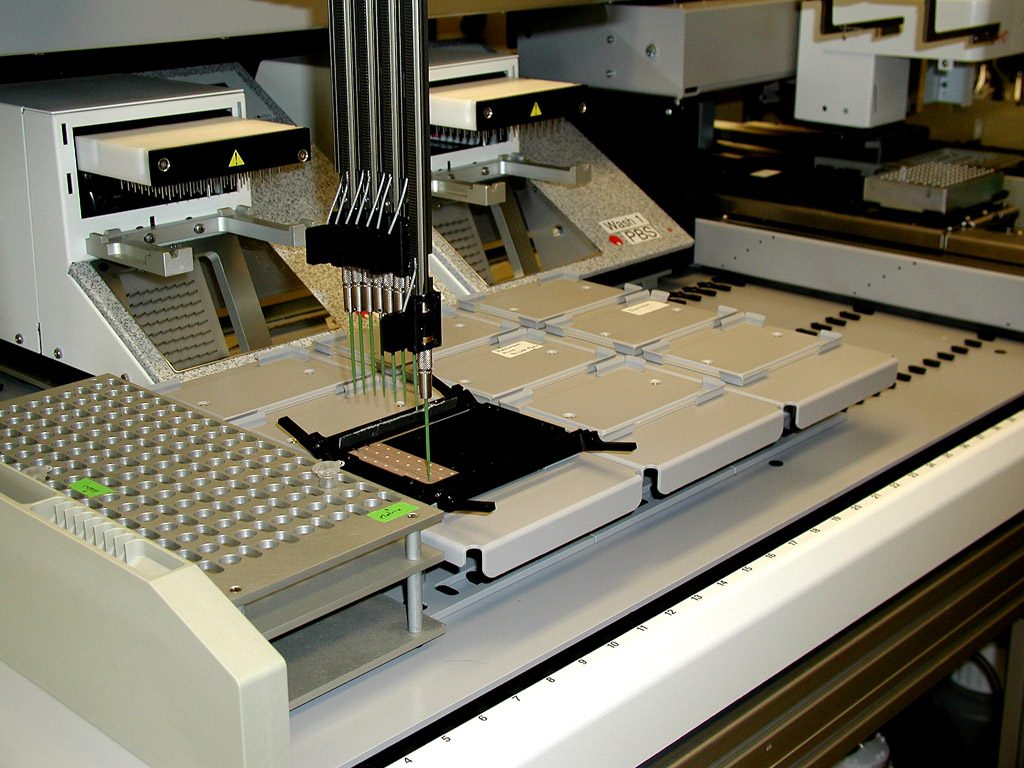
At its core, proteomics involves identifying and quantifying proteins within a biological sample, often on a massive scale. The primary engine for this is mass spectrometry, which measures the mass-to-charge ratio of ionized molecules. Proteins are typically digested into smaller peptides, which are then ionized and analyzed. Sophisticated algorithms and databases are employed to match the observed mass spectra to known protein sequences, thereby identifying the proteins present. Beyond identification, techniques like quantitative proteomics use isotopic labeling or label-free methods to measure protein abundance, revealing changes in protein expression under different conditions. Post-translational modifications (PTMs), which profoundly affect protein function, are also a major focus, often requiring specialized enrichment and detection strategies.
📊 Key Facts & Numbers
The scale of proteomics research is staggering. The study of proteomics is a complex but vital frontier in understanding biological systems. The global proteomics market was valued at approximately $3.5 billion in 2022 and is projected to grow at a compound annual growth rate (CAGR) of over 12% through 2030, underscoring its increasing importance. Over 100,000 scientific publications mention 'proteomics' or 'proteome', indicating the vast and expanding body of knowledge.
👥 Key People & Organizations
Key figures in proteomics include Marc Wilkins, who is credited with coining the term, and Matthias Mann, a pioneer in mass spectrometry-based proteomics and a recipient of the Lasker Award for his contributions. Organizations like the Human Proteome Project (HPP), launched in 2009, aim to map the entire human proteome, while the Proteomics Society International fosters collaboration and dissemination of knowledge globally. Major research institutions and companies, such as Thermo Fisher Scientific, Agilent Technologies, and Bruker Corporation, are at the forefront of developing the advanced instrumentation essential for proteomic analysis.
🌍 Cultural Impact & Influence
Proteomics has profoundly influenced our understanding of biology and medicine. It provides a direct window into cellular function, complementing genomics and transcriptomics by revealing the actual molecular machinery at work. This has led to breakthroughs in identifying biomarkers for diseases like cancer and Alzheimer's disease, paving the way for earlier diagnosis and more targeted therapies. The field has also reshaped drug discovery, enabling researchers to identify drug targets and monitor treatment efficacy by observing changes in protein profiles. The visual representation of protein-protein interaction networks, often generated through proteomic studies, has become a common motif in biological research, illustrating the interconnectedness of cellular processes.
⚡ Current State & Latest Developments
The field is currently experiencing rapid advancements, particularly in single-cell proteomics and spatial proteomics, which allow for the analysis of protein expression within individual cells and their precise locations within tissues. Developments in artificial intelligence and machine learning are revolutionizing data analysis, enabling more accurate protein identification, quantification, and the discovery of complex biological patterns. The integration of proteomics with other 'omics' fields, such as metabolomics and microbiome research, is creating more comprehensive views of biological systems. Initiatives like the Clinical Proteomic Tumor Analysis Consortium (CPTAC) are actively translating proteomic discoveries into clinical applications, with new findings on tumor subtypes and therapeutic targets emerging regularly.
🤔 Controversies & Debates
One of the central debates in proteomics revolves around the 'proteome-genome gap' – the discrepancy between the number of genes in a genome and the number of distinct protein species detected. This gap highlights the immense complexity introduced by PTMs and alternative protein forms, challenging the completeness of current proteomic datasets. Another ongoing discussion concerns the standardization of methods and data reporting to ensure reproducibility and comparability across different laboratories and studies. Furthermore, the interpretation of proteomic data, particularly in complex disease contexts, remains a challenge, with questions about causality versus correlation in observed protein changes. The ethical implications of using proteomic data for diagnostics and personalized medicine also warrant careful consideration.
🔮 Future Outlook & Predictions
The future of proteomics is poised for even greater integration with clinical practice and a deeper understanding of biological complexity. Advances in single-cell proteomics will likely unlock new insights into cellular heterogeneity and development. The development of more sensitive and high-throughput technologies, potentially including nanotechnology-based sensors, could enable real-time monitoring of proteomes in vivo. We can expect to see proteomics play an increasingly central role in precision medicine, guiding treatment decisions for individuals based on their unique protein profiles. Furthermore, the application of proteomics to fields beyond human health, such as agriculture and environmental science, is expected to expand significantly, offering solutions for crop improvement and understanding ecological dynamics.
💡 Practical Applications
Proteomics has a wide array of practical applications. In clinical diagnostics, it is used to identify biomarkers for diseases such as cancer, cardiovascular diseases, and neurological disorders, enabling earlier detection and prognosis. In drug discovery and development, proteomics helps identify novel drug targets, understand drug mechanisms of action, and predict patient response to therapies. In agriculture, it aids in developing crops with improved yield, nutritional value, and resistance to pests and environmental stress. It also plays a role in forensic science for identifying individuals and understanding biological evidence. The food industry utilizes proteomics for quality control, authenticity testing, and allergen detection.
Key Facts
- Category
- science
- Type
- topic