
Contents
Overview
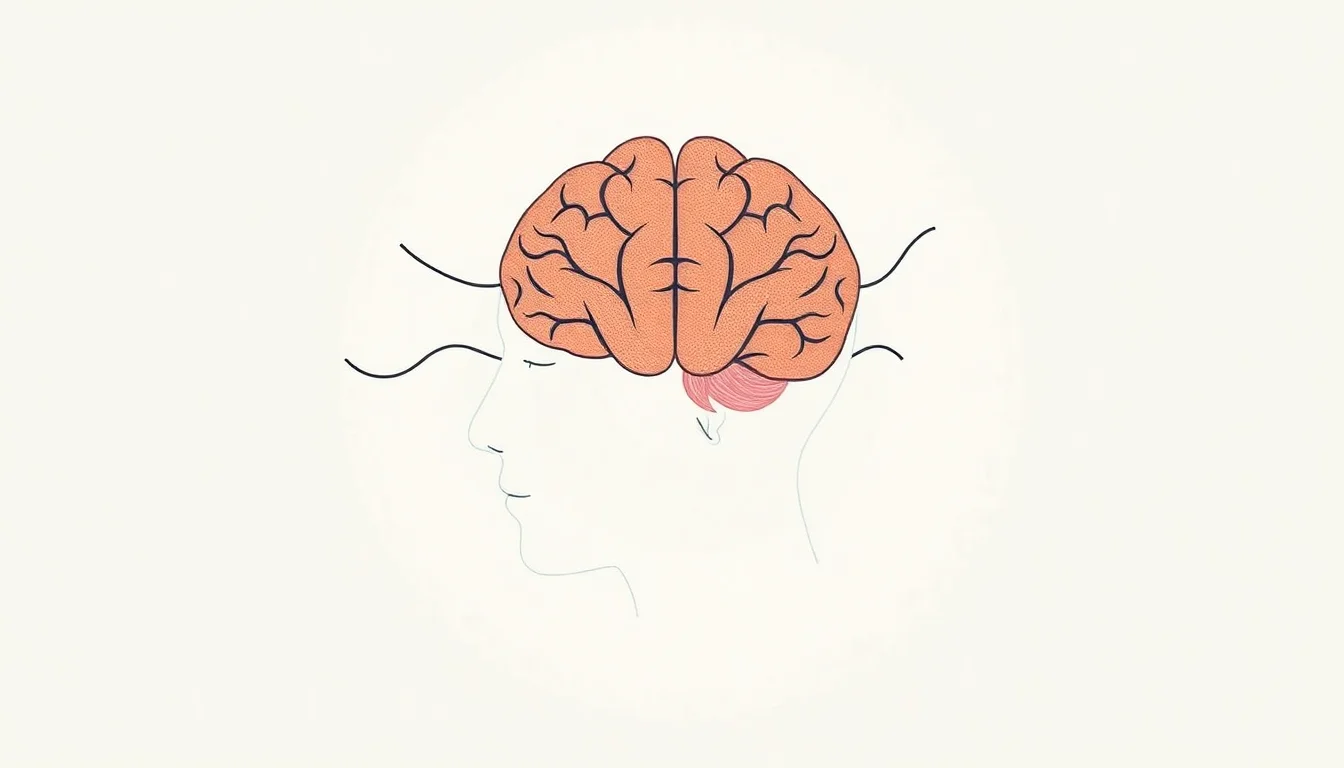
Psychosomatic disorders represent a complex interplay between mental and physical health, where psychological factors like stress, anxiety, and trauma manifest as tangible bodily symptoms. This field, rooted in psychosomatic medicine, acknowledges that the mind and body are not separate entities but are intricately connected, influencing each other's functioning. Conditions ranging from irritable bowel syndrome (IBS) and chronic fatigue syndrome to certain dermatological issues and cardiovascular problems can have significant psychosomatic components. The precise mechanisms involve neurobiological pathways, hormonal responses, and immune system modulation, often triggered by prolonged stress. Understanding psychosomatic disorders requires a holistic approach, integrating psychological assessment and treatment with conventional medical care to address both the mental stressors and the physical manifestations, aiming to improve patient outcomes and quality of life.
🎵 Origins & History
The concept of mind-body connection in illness is ancient. Franz Alexander posited specific emotional conflicts linked to conditions like hypertension and peptic ulcers. Psychological distress was thought to be 'converted' into physical symptoms in 'conversion disorder'. This historical trajectory highlights a shift from viewing the mind and body as separate to recognizing their profound and bidirectional influence on health.
⚙️ How It Works
Psychosomatic disorders operate through intricate neurobiological and physiological pathways. Psychoneuroimmunology specifically studies the interactions between psychological states and immune responses. For example, studies have shown that individuals experiencing high levels of stress may exhibit reduced efficacy of vaccines due to impaired immune function.
📊 Key Facts & Numbers
Estimates suggest that the precise figures for psychosomatic components in primary care visits are debated. The economic burden is substantial; in the US alone, stress-related illnesses are estimated to cost employers billions annually in lost productivity and healthcare expenses, with some reports placing the figure over $300 billion per year. Furthermore, studies indicate that individuals with untreated psychosomatic symptoms are at a 2-3 times higher risk of developing full-blown psychiatric disorders like major depressive disorder.
👥 Key People & Organizations
Key figures in the development of psychosomatic medicine include Franz Alexander, who linked specific emotional conflicts to diseases like hypertension and ulcers. Contemporary researchers like Carol Dweck at Stanford University explore the role of mindset in resilience and health outcomes, indirectly touching upon psychosomatic mechanisms.
🌍 Cultural Impact & Influence
The cultural resonance of psychosomatic disorders is profound, often reflected in literature, film, and everyday language. Phrases like "stressed out" or "worried sick" capture the common understanding of mental states affecting physical well-being. Historically, conditions like "hysteria"—once predominantly diagnosed in women—were often viewed through a psychosomatic lens, though this diagnosis is now largely discredited and considered a relic of patriarchal medical attitudes. The popularization of concepts like mindfulness and yoga in Western cultures over the past few decades can be seen, in part, as a societal response to the perceived disconnect between modern life's stressors and our innate need for mind-body integration. The increasing acceptance of alternative and complementary therapies also speaks to a cultural desire for more holistic approaches to health that acknowledge the mind's role.
⚡ Current State & Latest Developments
Current research is increasingly focused on the precise molecular and genetic underpinnings of psychosomatic disorders, moving beyond broad correlations. Digital health is playing a significant role in tracking physiological markers (like heart rate variability and sleep patterns) alongside self-reported psychological states. This data integration aims to provide more personalized and timely interventions. Furthermore, there's a growing emphasis on early identification and prevention, particularly in pediatric populations, recognizing that childhood stress and trauma can have long-lasting psychosomatic consequences. The World Health Organization (WHO) continues to advocate for integrated care models that address both mental and physical health needs.
🤔 Controversies & Debates
One of the most persistent controversies surrounding psychosomatic disorders is the historical stigma and skepticism they often face. For decades, patients presenting with physical symptoms without a clear organic cause were sometimes dismissed as "faking it" or experiencing "imaginary" illnesses. This perception, rooted in a dualistic view of mind and body, has led to diagnostic delays and inadequate treatment. While the biopsychosocial model is widely accepted in academic circles, its full integration into everyday clinical practice remains a challenge, particularly in resource-limited settings. Another debate centers on the precise diagnostic criteria and the degree to which psychological factors must contribute to a physical symptom to be classified as psychosomatic. Distinguishing between a primary physical illness with psychological comorbidities and a disorder where psychological factors are the primary driver of symptoms is often complex and requires careful clinical judgment.
🔮 Future Outlook & Predictions
The future of understanding and treating psychosomatic disorders points towards increasingly personalized and precision medicine approaches. Advances in genomics and epigenetics may reveal specific genetic predispositions or epigenetic modifications that influence an individual's vulnerability to stress-induced physical symptoms. Artificial intelligence and machine learning are poised to play a crucial role in analyzing vast datasets from wearables, electronic health records, and genetic information to identify subtle patterns and predict individuals at risk. There's also a growing interest in the potential of psychedelic-assisted therapies for treating underlying trauma and stress that contribute to psychosomatic conditions, though this remains an area of active research and regulatory scrutiny. Ultimately, the trend is towards a more unified understanding of health, where mental
Key Facts
- Category
- science
- Type
- topic